

Resources
Are You Being Inspired or Copying?
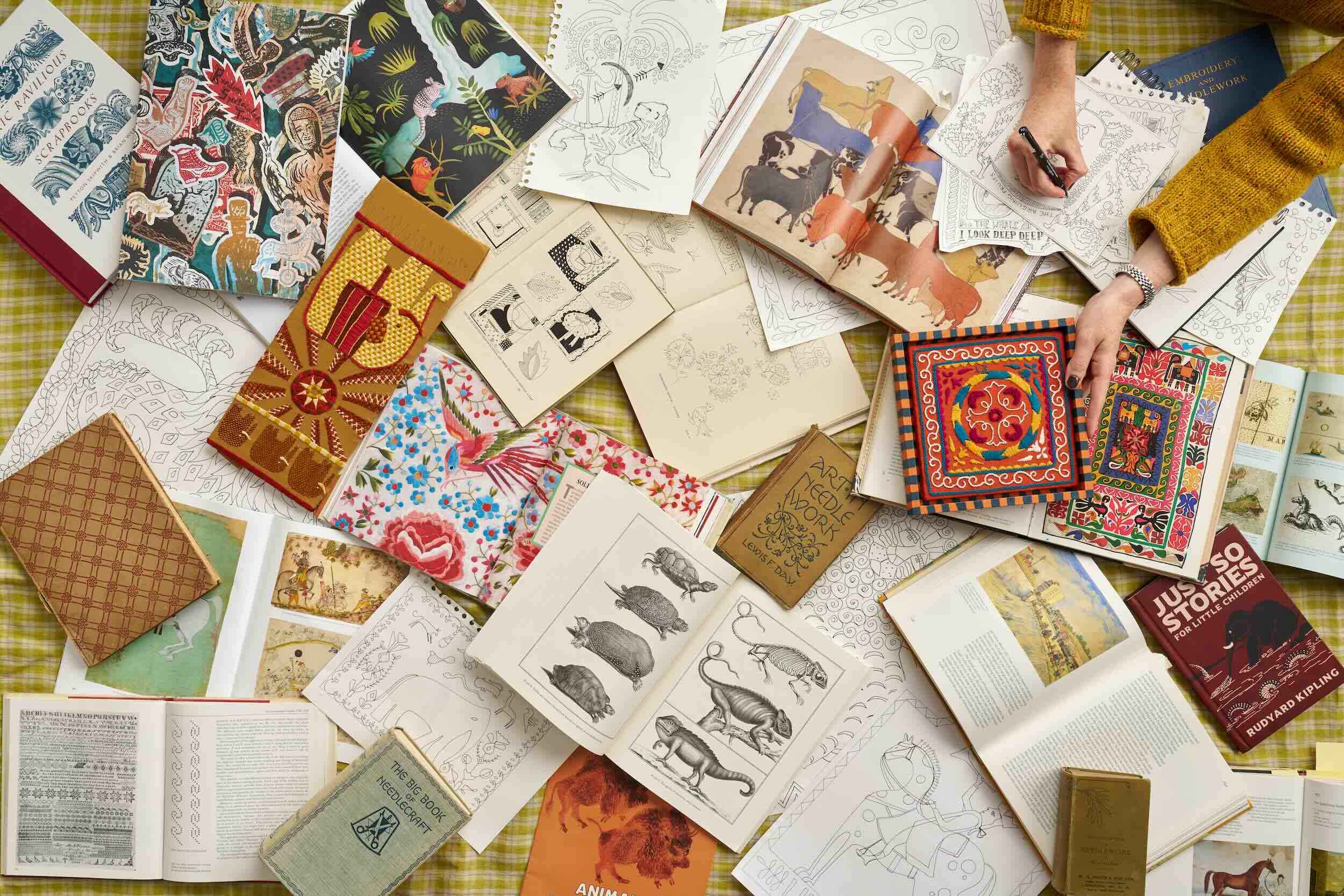
It’s often said that imitation is the highest form of flattery, but no artist really wants to copy another artist’s work, and no artist wants to be copied.
But we don't exist in a vacuum, so you'll inevitably draw from images and objects you have encountered in your life, whether consciously or subconsciously. The trick is to know how to use inspiration to create new work, rather than producing copies of existing pieces.
A little history about using inspiration
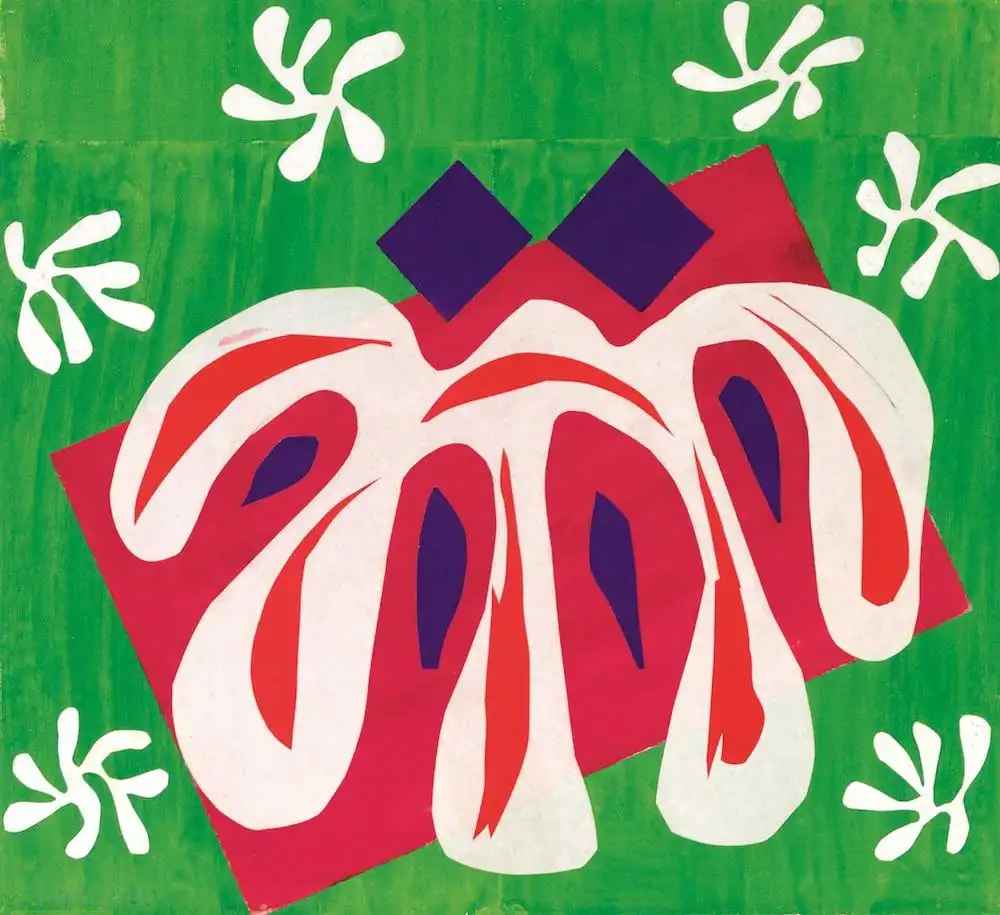
As we explain in our Finding Inspiration series on YouTube, artists have always been inspired by images around them. Matisse collected tons of objects and art from around the world that influenced his work and appeared in his paintings and still lifes. Musicians often sample each other’s melodies, or take from literature or religious texts in their lyrics. We draw inspiration from things in our lives, from certain motifs, ways of depicting an animal or tree, and of course some of that will come through in the art we produce.
While it’s often not purposeful, this inspiration use can easily veer a little too close to outright copying. If you see an image you find really inspiring or beautiful, it can be tempting to simply try and recreate it. Perhaps you lack the confidence in your own artistic ability, or you wish that you had come up with the idea you’ve seen. But this undermines the work of the original artist, as well as your own artistic integrity.
Social media and a note about cultural appropriation
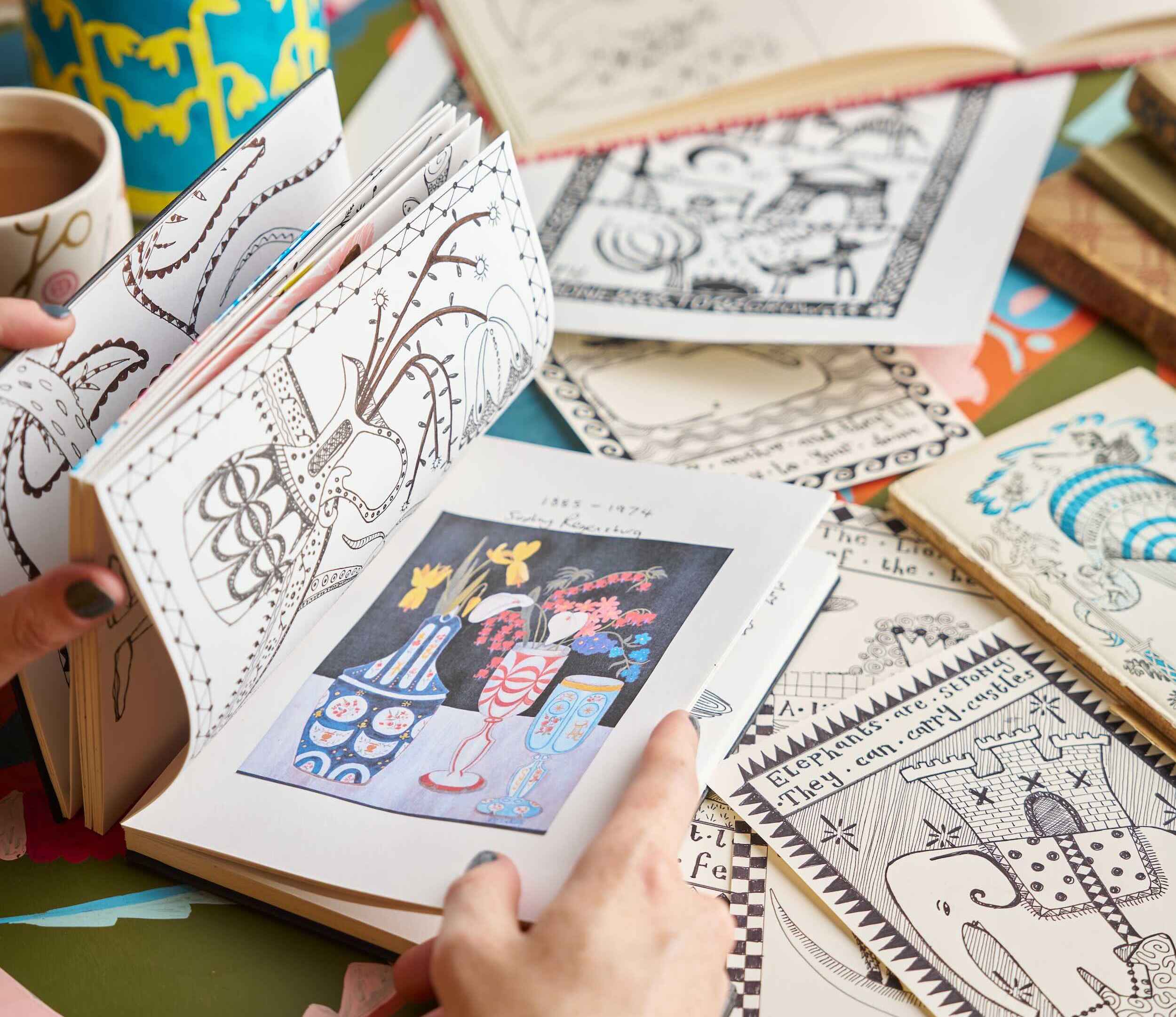
Today, with social media and sites like Pinterest, we’re surrounded by images and incredibly inspiring art, often without even searching for it. Many artists who share their work online have spoken out about copycats reproducing their designs or mimicking their style, such as Madeleine Kemsley who has had both individuals and big brands steal her designs.
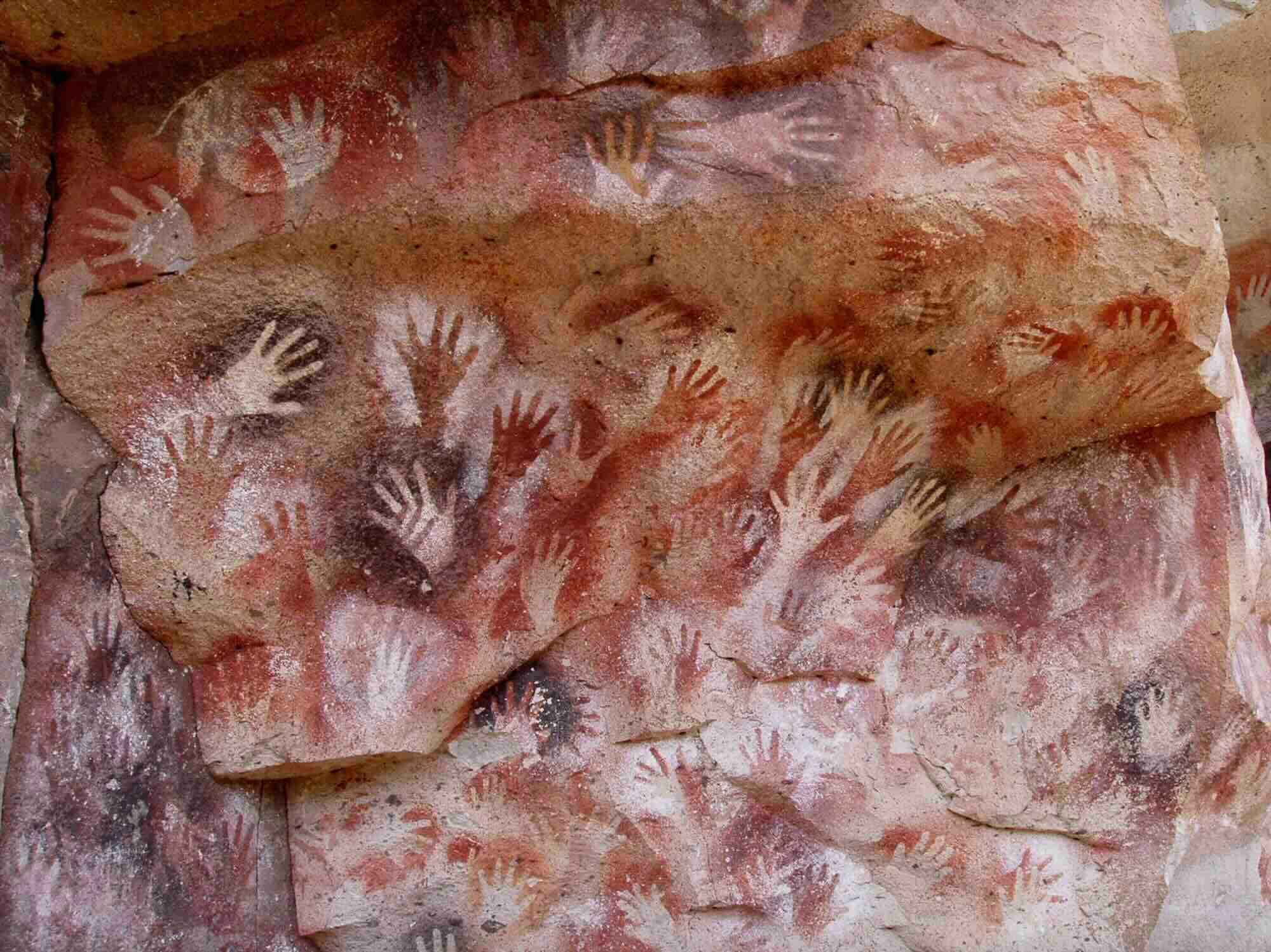
Seeing so many images online can also mean that artwork is consumed outside its original cultural context, with no understanding of any symbols or deeper meaning. This is a particular danger if you’re drawing inspiration from art outside your own culture, where you can risk exoticizing the artwork, through caricaturing styles and symbols when you have no knowledge of the meaning behind them. This can become especially exploitative if you are a commercial artist, profiting from this use of another culture’s style or art without benefitting artists who produced the work you appreciated in the first place.
This is not to put you off drawing inspiration from outside your own culture - the world is huge and full of tons of incredibly inspiring artwork. But we believe that it is important to acknowledge where you have drawn inspiration from, to celebrate and respect the cultures and artists that produce the work you find inspiring.
A Note from Eppie
One of the biggest things that stops people from creating is the fear of accidentally copying someone else. Sometimes those worries are enough to stop many people from picking up a pencil, paintbrush or needle in the first place.
The reality is that every creative person is influenced by the world around them. We all absorb ideas from the places we visit, the books we read, the art we admire and the people whose work we love. Sometimes those influences are obvious, sometimes they're so deeply buried that we don't even realise where an idea came from. That's simply how creativity works. You can unintentionally drift surprisingly close to someone else's idea without meaning to. It happens. But I don't think that's enough of a reason not to create. The greater tragedy would be never making anything at all.
As someone who openly shares my methods and teaches people how I design embroidery, I don't have any antipathy towards people whose work is influenced by mine. In fact, I'd much rather someone used one of my ideas as a stepping stone whilst they build the confidence to develop their own style than feel too intimidated to create anything at all.
Of course, there's a difference between influence and exploitation. It's one thing for a large company to deliberately copy an independent artist's work for commercial gain. It's quite another for someone who is learning to borrow an idea, a composition or a colour palette as part of developing their own creative practice. And we, as artists, should have confidence in our own style. Style isn't created from one piece of work; it's built over years of making, experimenting, failing and trying again. Nobody can replicate that journey.
So if my work inspires someone to pick up a needle for the first time, or encourages them to create something of their own, I'm delighted. I only hope that, in time, they take those ideas somewhere I never could. That's how creativity grows.
Our top tips to avoid copying
So, how can you avoid copying when you’re looking for inspiration to use in your creative practice? There are some simple ways to navigate the line between copying and using inspiration, so here are our top tips to ensure you stay firmly on the side of using inspiration and far away from direct copying.
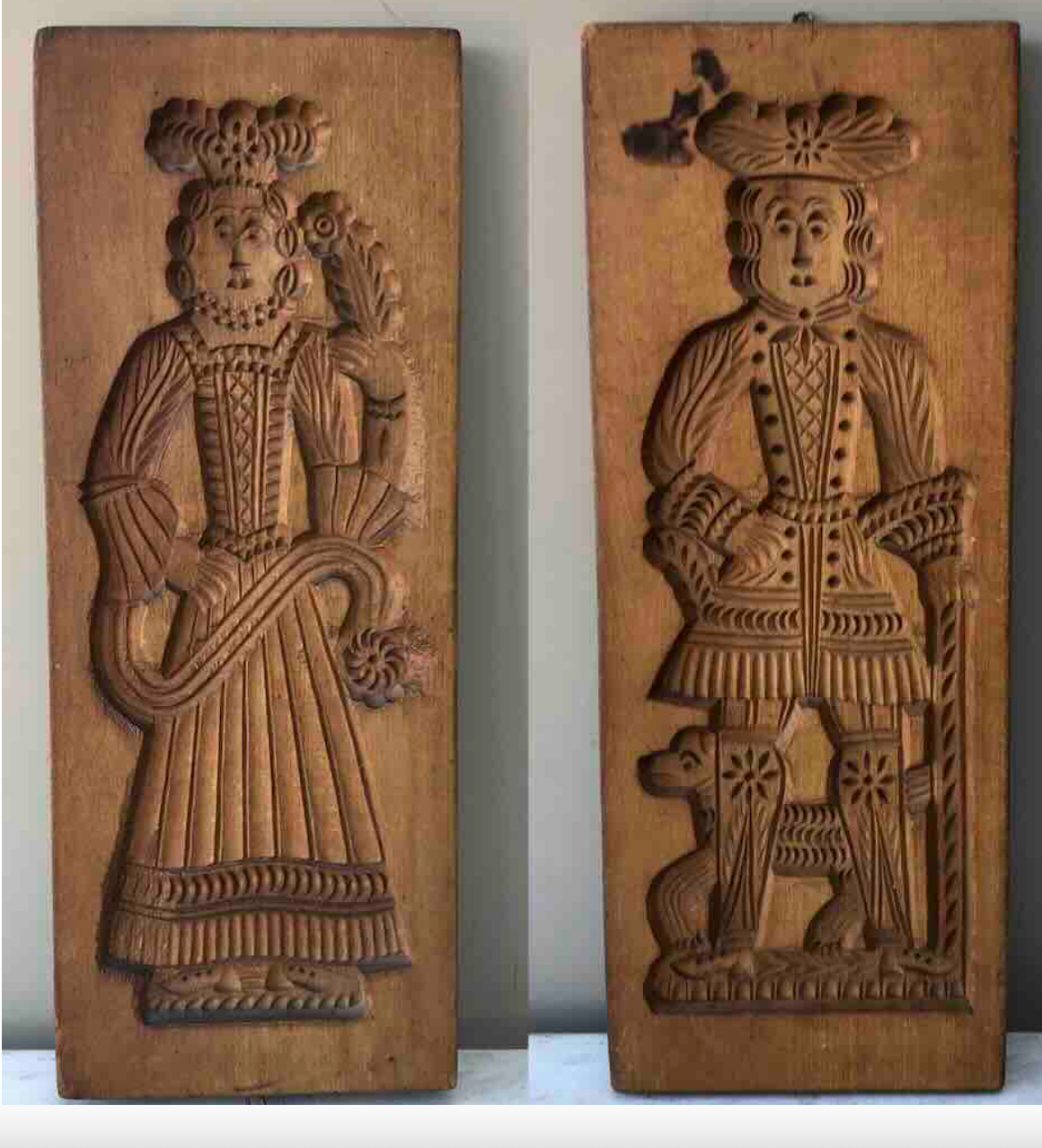
1. Draw inspiration from older work. While artists are often inspired by their contemporaries, if you're just beginning to create your own designs and feel unsure how to approach using inspiration, this can be a good starting point. Museums and online archives have tons of inspiring imagery from earlier centuries.
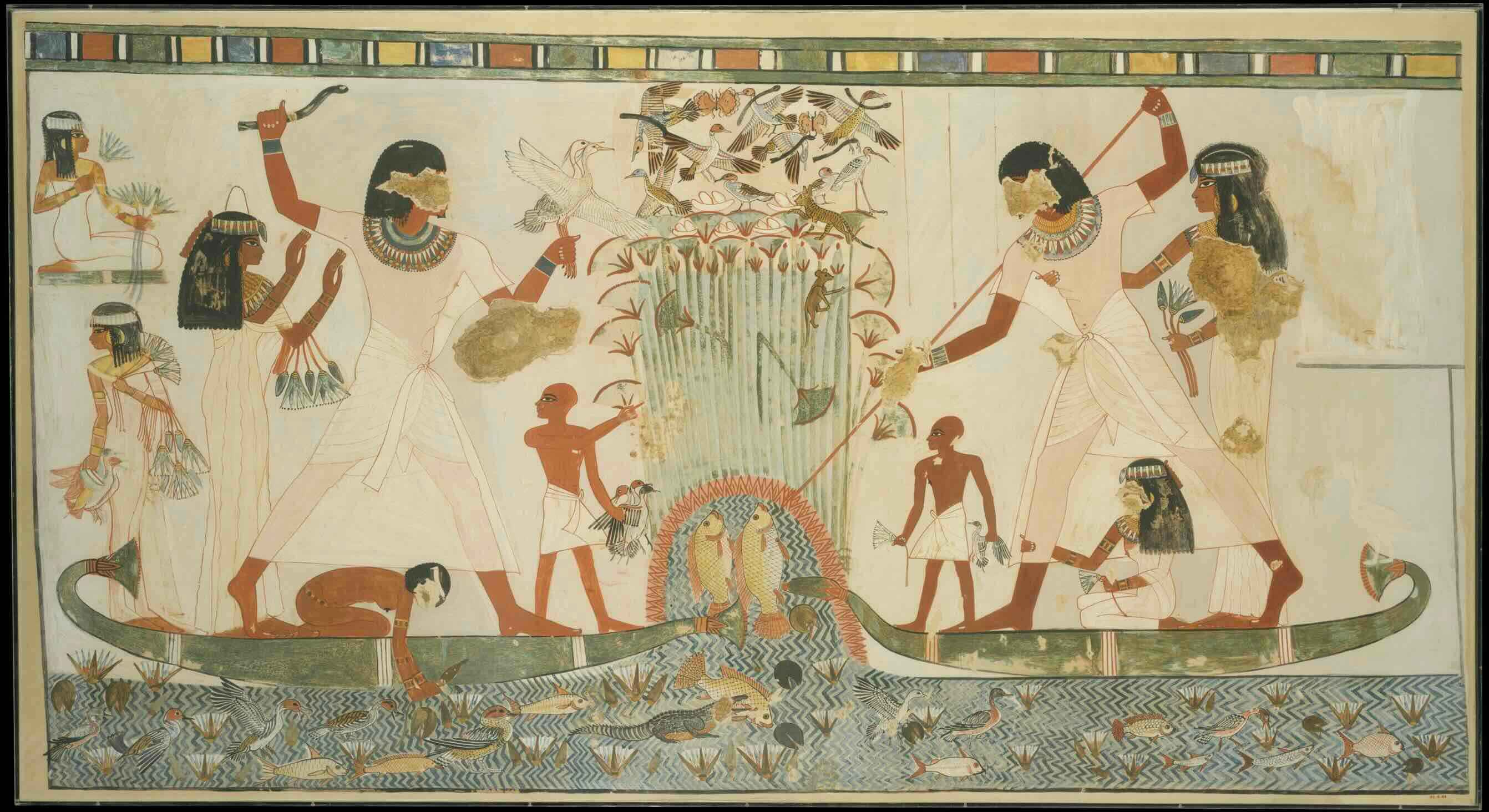
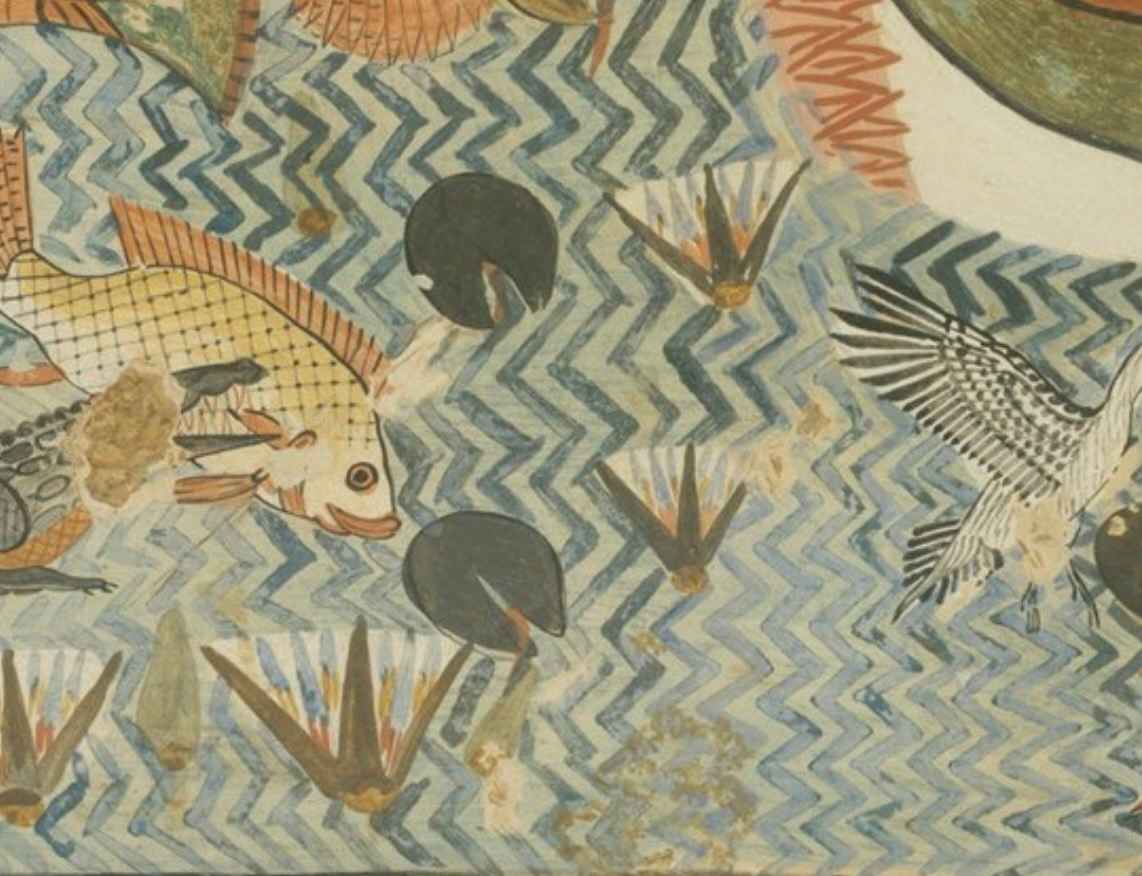
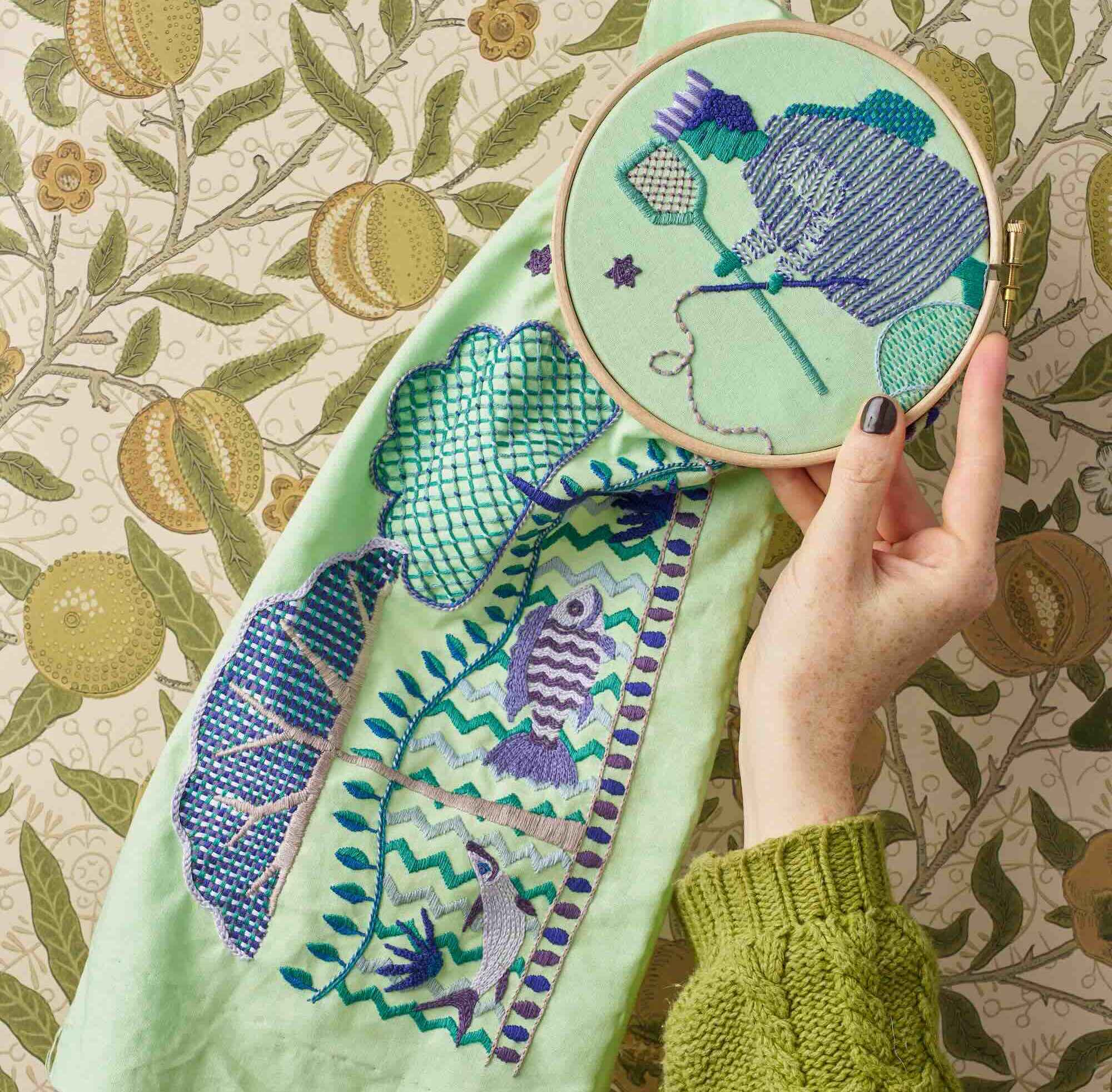
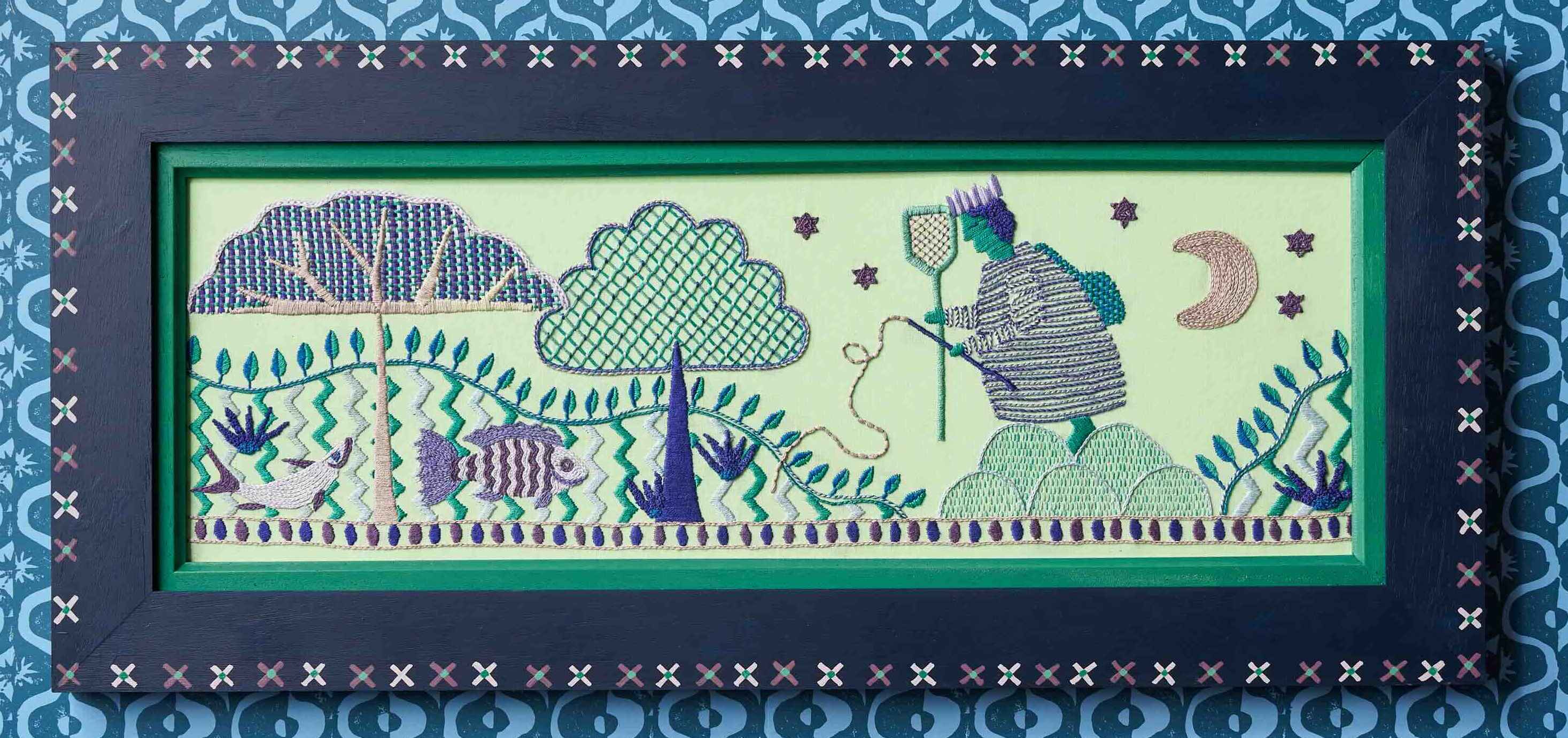
2. Don't work from inspiration sources that you love in their entirety. If you're worried about copying, it can be helpful to choose an image where you only really like a small aspect, such as a way of drawing an eye, or a person’s gesture, or a particular shape or motif. You can then draw inspiration from these specific aspects, safe in the knowledge that you don’t want to copy the whole design. Instead you're simply taking one aspect and using it differently, using it for a border design or as part of a wider scene.
Eppie drew inspiration for our limited edition piece ‘Night Fishing’ (above) from the zig-zagging water of a recreated Egyptian tomb painting she saw in the Met museum in New York. She didn’t use the entire design, the same medium or the same colours - she just took the idea of using zigzags to create water.
3. Work in a different medium to the inspiration. You could use ceramics as inspiration for an embroidery or mosaics as an inspiration for a painting. If you work in the same medium as your inspiration source, you might be tempted to use similar stitches, paint strokes or mark making as the original, meaning your design could be closer to a copy than you might like.
Our Pride needlepoint range drew inspiration from Assyrian carvings and William DeMorgan's tiles.
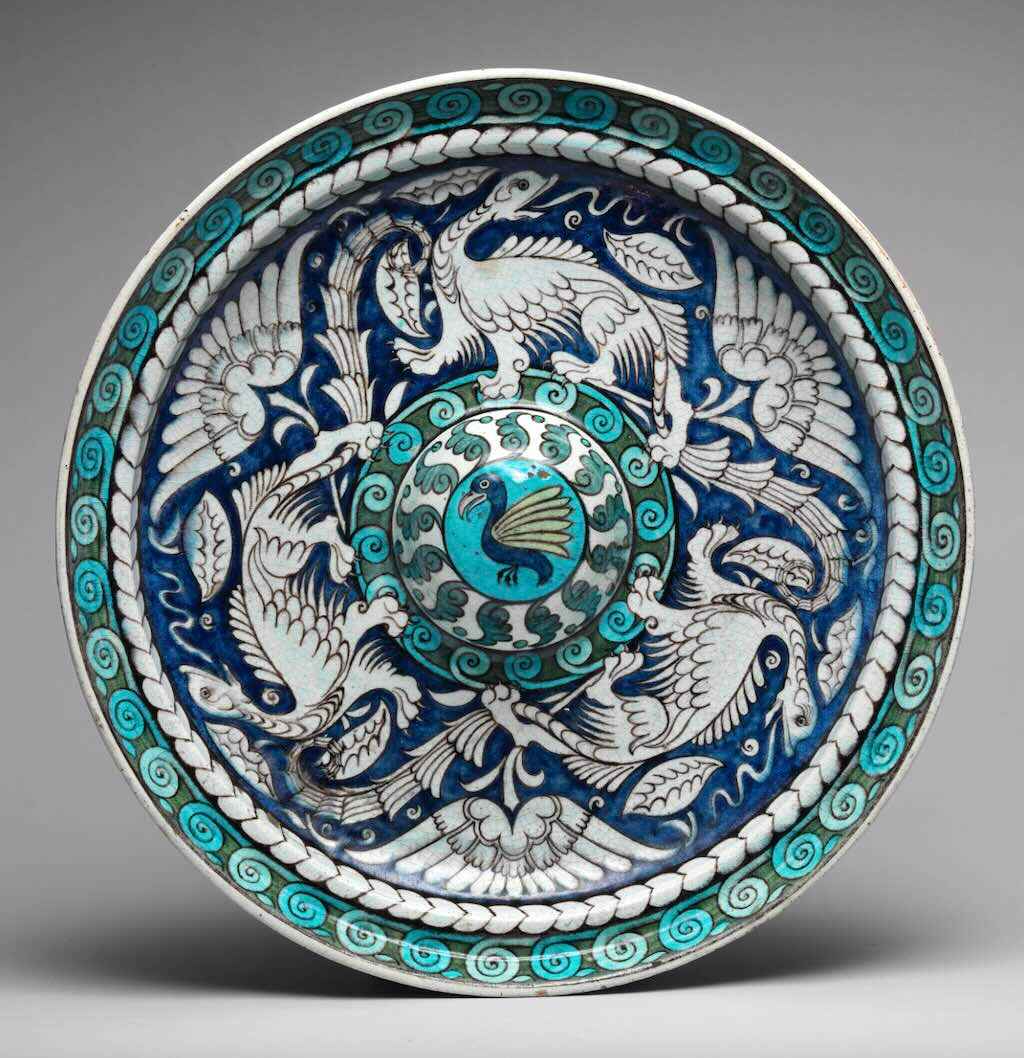
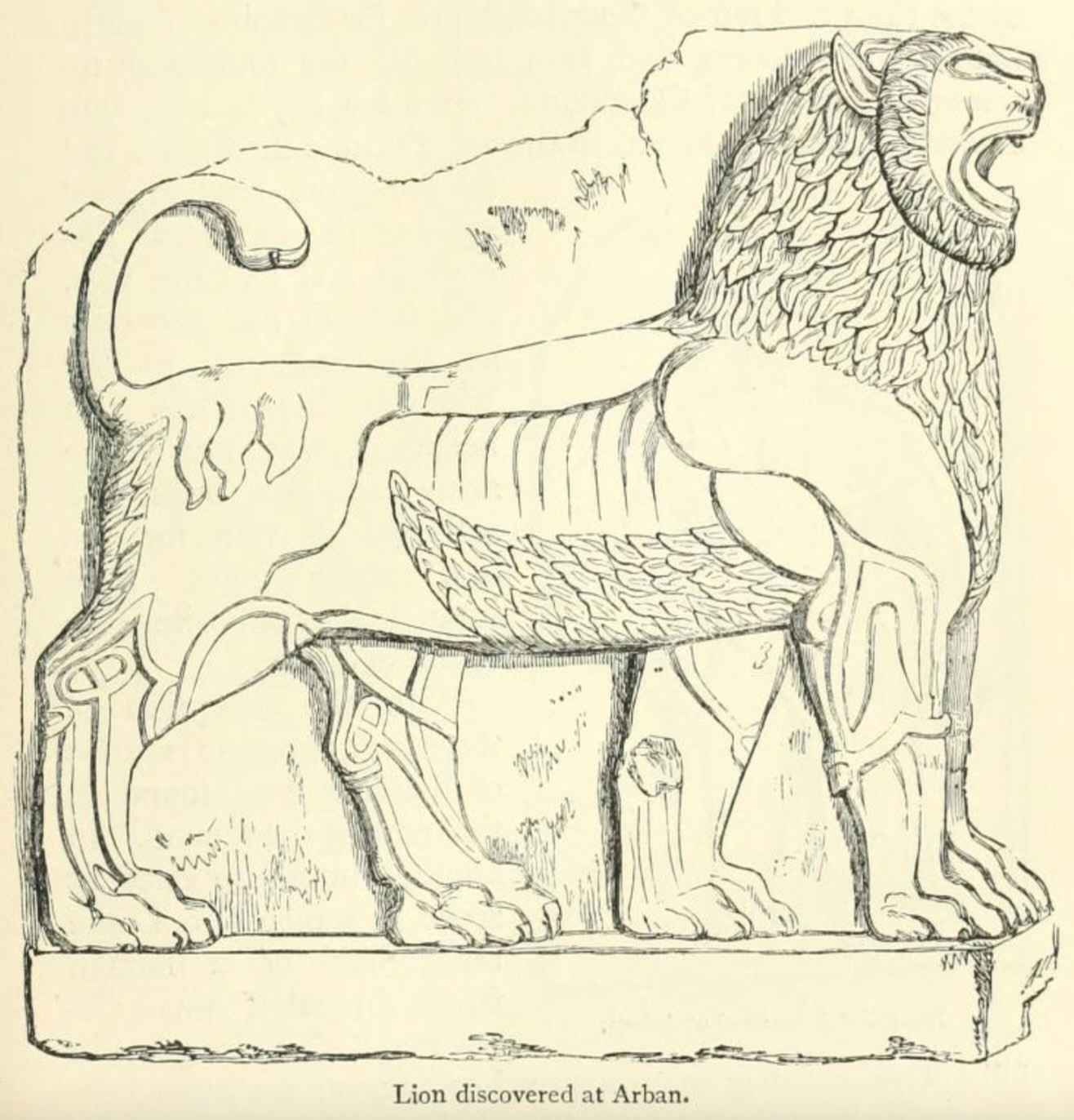
4. Combine different elements from different inspiration sources. Take a shape from one design and use it in a border, a subject matter from another, a pattern from another, a filling stitch from another... The more different the sources of inspiration, the better. If you print out your inspiration, you can rearrange your sheets of paper to place completely different pieces beside each other and spark new ideas that you might never have thought of otherwise.
Take our Jabberwocky kits for example, which were inspired by Lewis Carroll’s Jabberwocky poem, the figures on Kanduri shrine cloths, and the colours of Josef Frank. This is a wild combination of inspiration sources that may seem completely random, but when you pull them all together, it creates something new and exciting.
5. Remember that there’s no need to reinvent the wheel. It’s not very original to do a continuous line piece, or to do a picture of a lion, or to do a piece in one colour. But when you bring them all together, creating an embroidery of a white lion on blue fabric, stitched in a single flowing line, it does create something new and interesting.
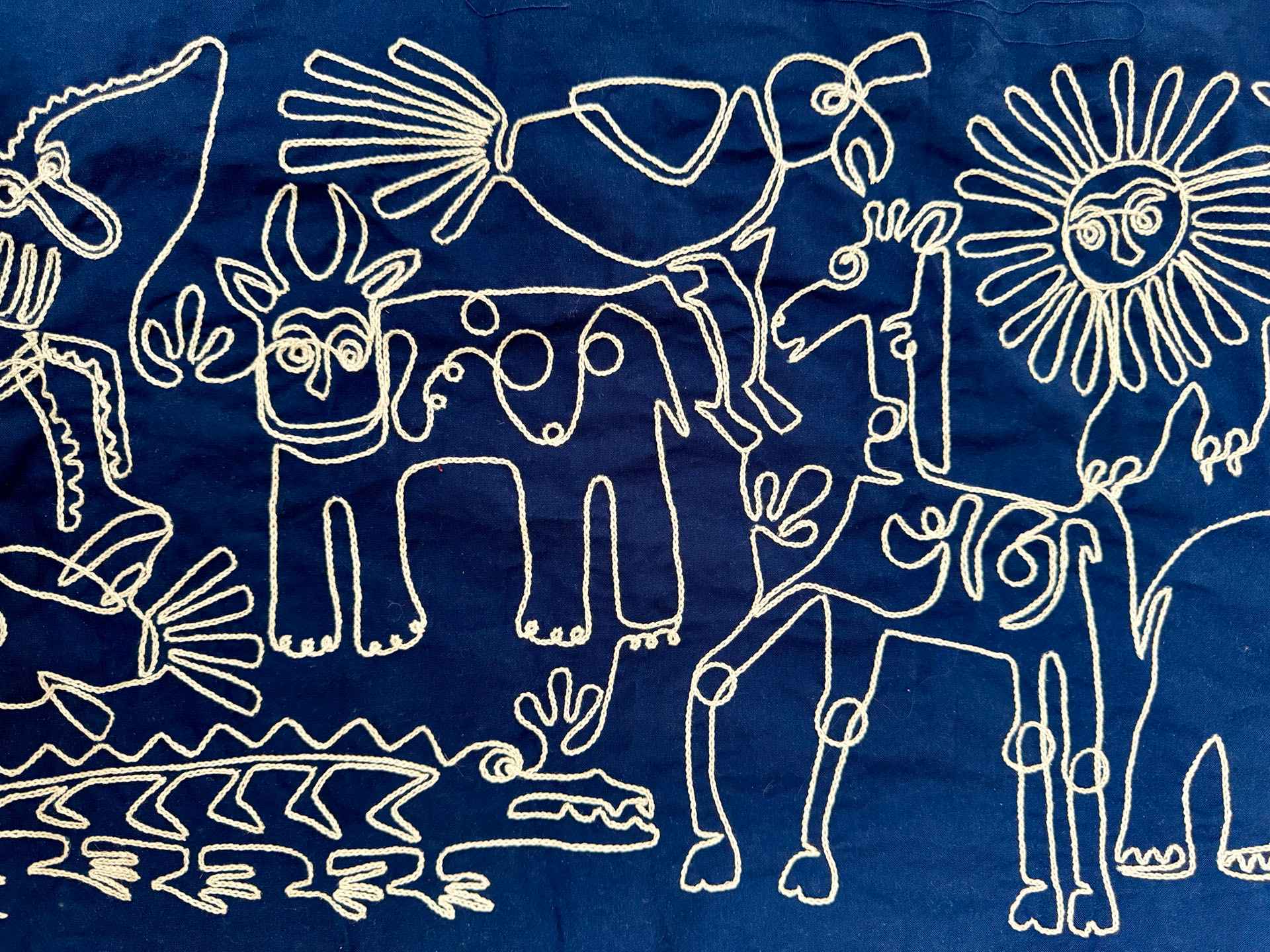
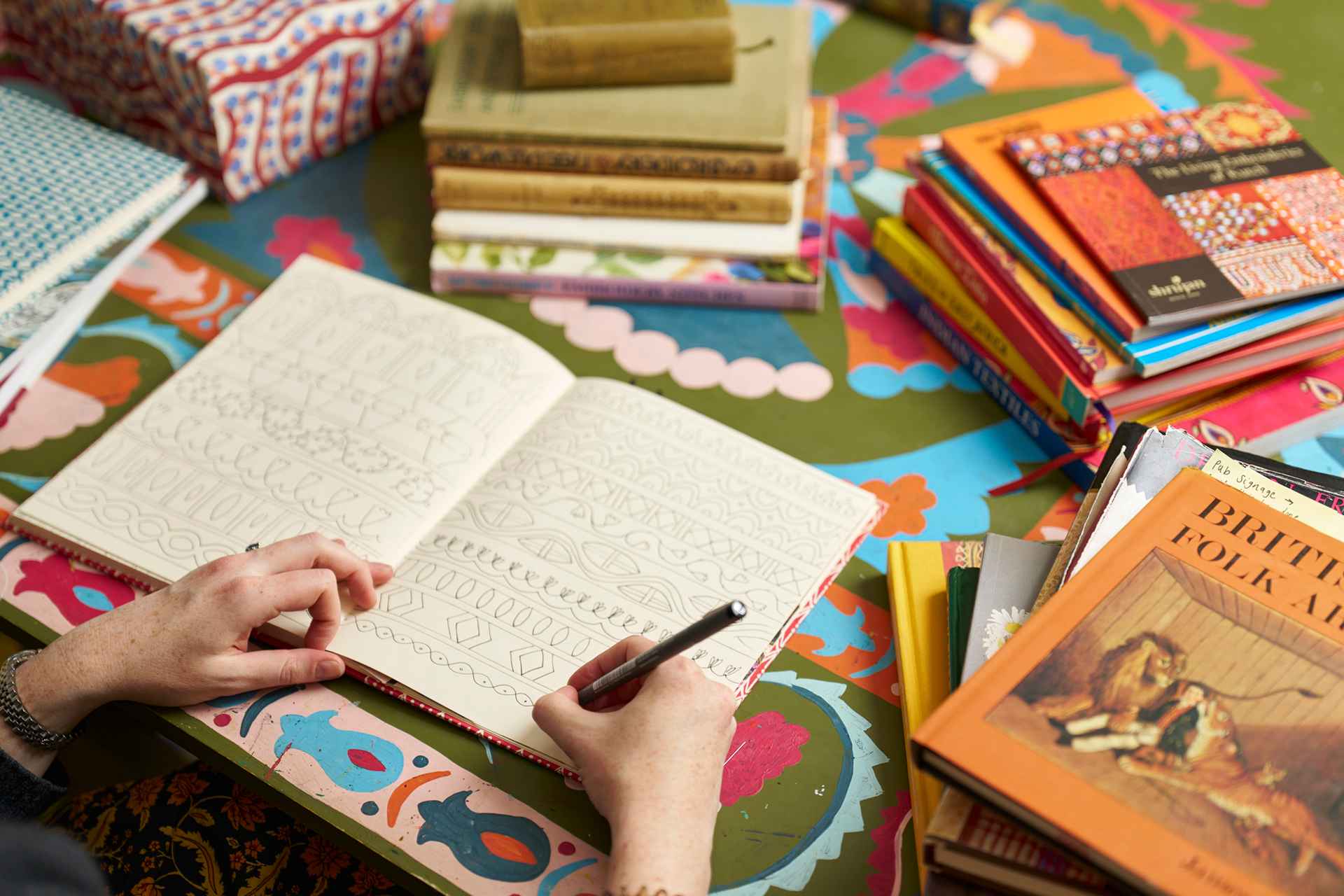
6. Work from black and white imagery rather than colour pictures. If you separate the design from its colour palette then your work becomes quite far removed from its source. You forget the original colours of the work and so it’s harder to be influenced by these when you come to add colour to your own design. Either print out your inspiration image in black and white or even better, draw directly from your inspiration in black pen. Don’t worry about creating an accurate copy or making it realistic - embrace any distortions or changes you make when you copy it out, since these adapt the design even further from the original source.
7. Work from your own copy rather than directly from the original. It’s best to draw out your own version of your inspiration source to work from. Don’t trace it or photograph it, just draw what you see and then any designs you make based on this in the future will be based on your adapted drawing rather than the original. In other words, your drawing becomes the new source of inspiration.
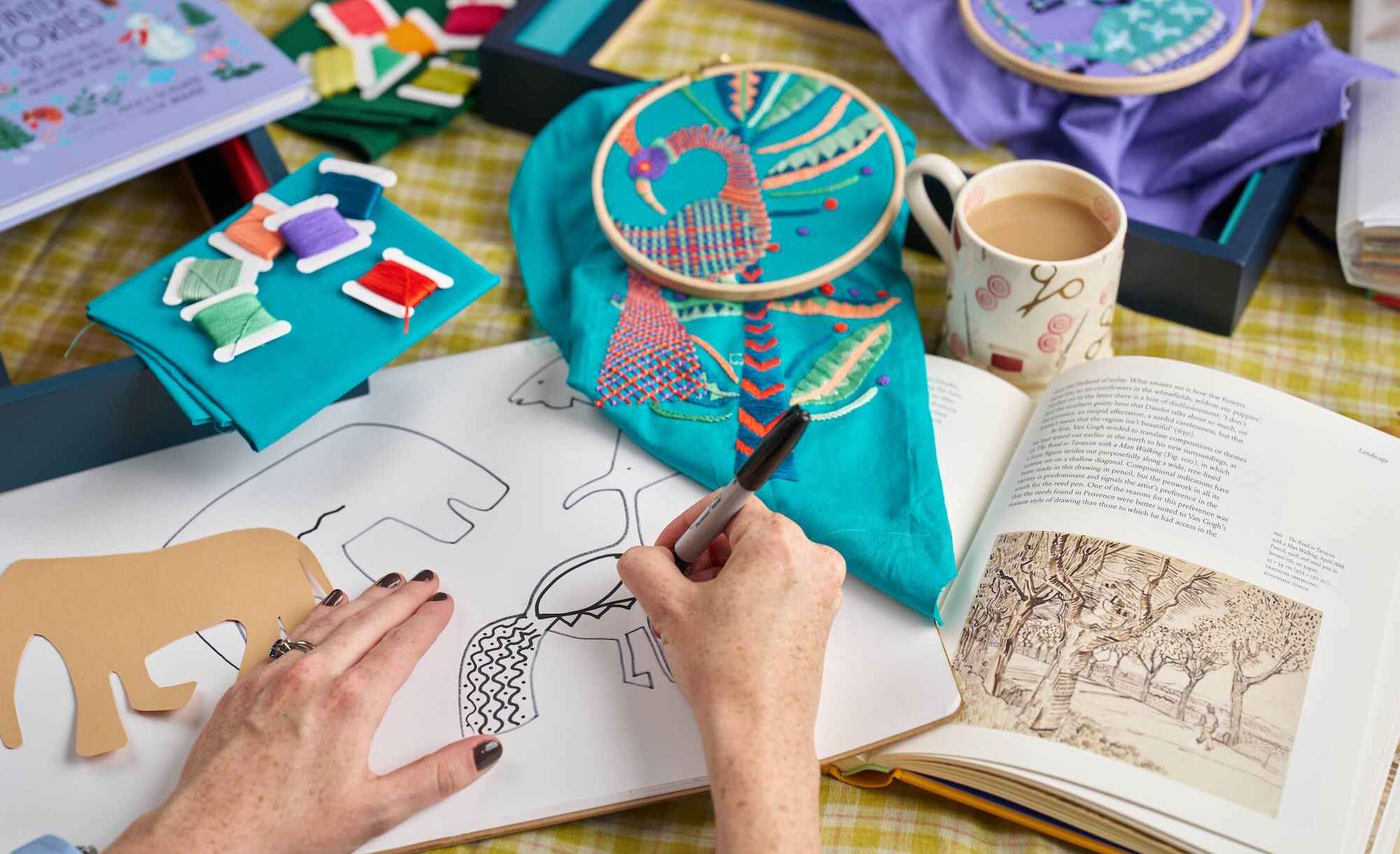
If you follow these guidelines, this will help ensure that the differences between your work and your inspiration sources are bigger than any similarities. Essentially, your work should be different enough that nobody will see your work and be able to spot the inspiration.
If you want to learn more about using inspiration to create your own designs, we have more tips in our Freestyle Embroidery course.