Why Everyone Should Give Embroidery a Chance
It may come as a surprise if you haven't been stitching for long, but we're one of the very few sewing kit companies that make both embroidery and needlepoint kits. Historically, that's been quite uncommon, with most companies choosing to specialise in one or the other.
We see things a little differently - if it involves a needle and thread, we're interested.
This separation between needlepoint and embroidery is particularly evident in the US, where needlepointers don't usually do embroidery, and embroiderers don't usually do needlepoint. Those who happily cross between the two are considered a rare breed, to the point that you'll generally find the products sold in completely different shops.
However, embroidery has gained a bit of an undeserved reputation for being too difficult, too fiddly or simply uninspiring. But despite that, we will never stop trying to convince everyone (including loyal needlepointers!) to give embroidery a chance, and while we know our efforts might seem a little futile, we'll never give up hope!
So in this article, we want to talk about why this is, and why we believe everyone should approach embroidery with an open mind.
We might be stating the obvious here, but if you've never tried either needlepoint or embroidery, there are a few key differences worth knowing about. Some are technical, some relate to the stitching process, and some are simply practical.
The main technical difference is the material you're stitching on, and the threads you use. Needlepoint is stitched on canvas, which is pre-holed and typically comes in 10, 13 or 18 HPI (holes per inch). These canvases are incredibly durable and hard-wearing, with evenly spaced holes that make it easy to place each stitch precisely. Embroidery, on the other hand, is stitched onto closely woven fabrics such as linen or cotton. Rather than following pre-made holes, you create each stitch by bringing the needle through the fabric wherever it's needed, giving you far more flexibility and freedom.
Also to note is that the needles are different, too. Embroidery uses a sharp needle, as it needs to pierce the tightly woven fabric without damaging it. Depending on the stitch you're using, the needle may have a smaller or larger eye, but it will always have a sharp point. Needlepoint, on the other hand, uses a tapestry needle with a large eye that accommodates thicker wool. The blunt point of a tapestry needle glides through the pre-made holes in the canvas rather than piercing the material. It may seem like a small difference, but it's fundamental to how each craft is stitched.
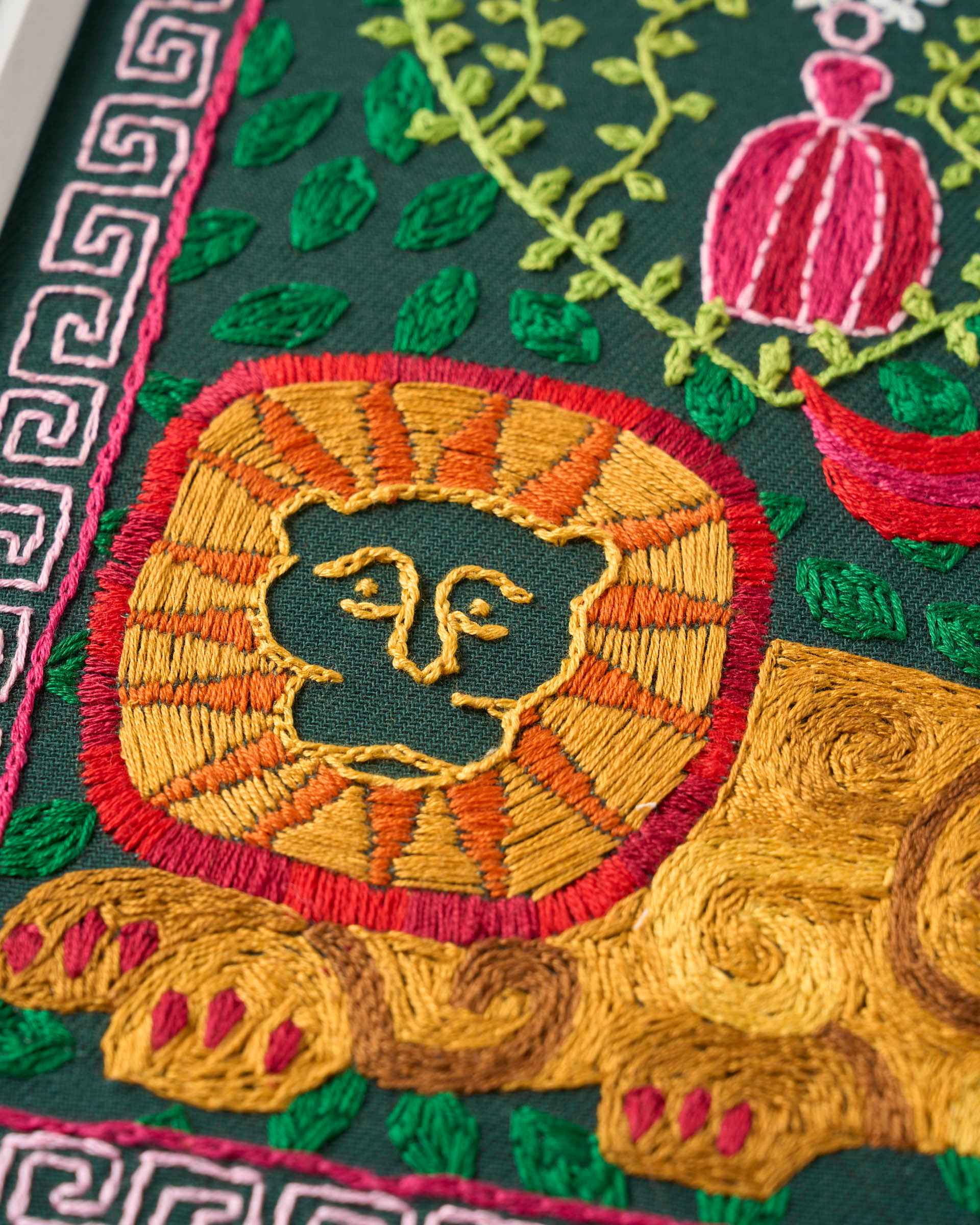
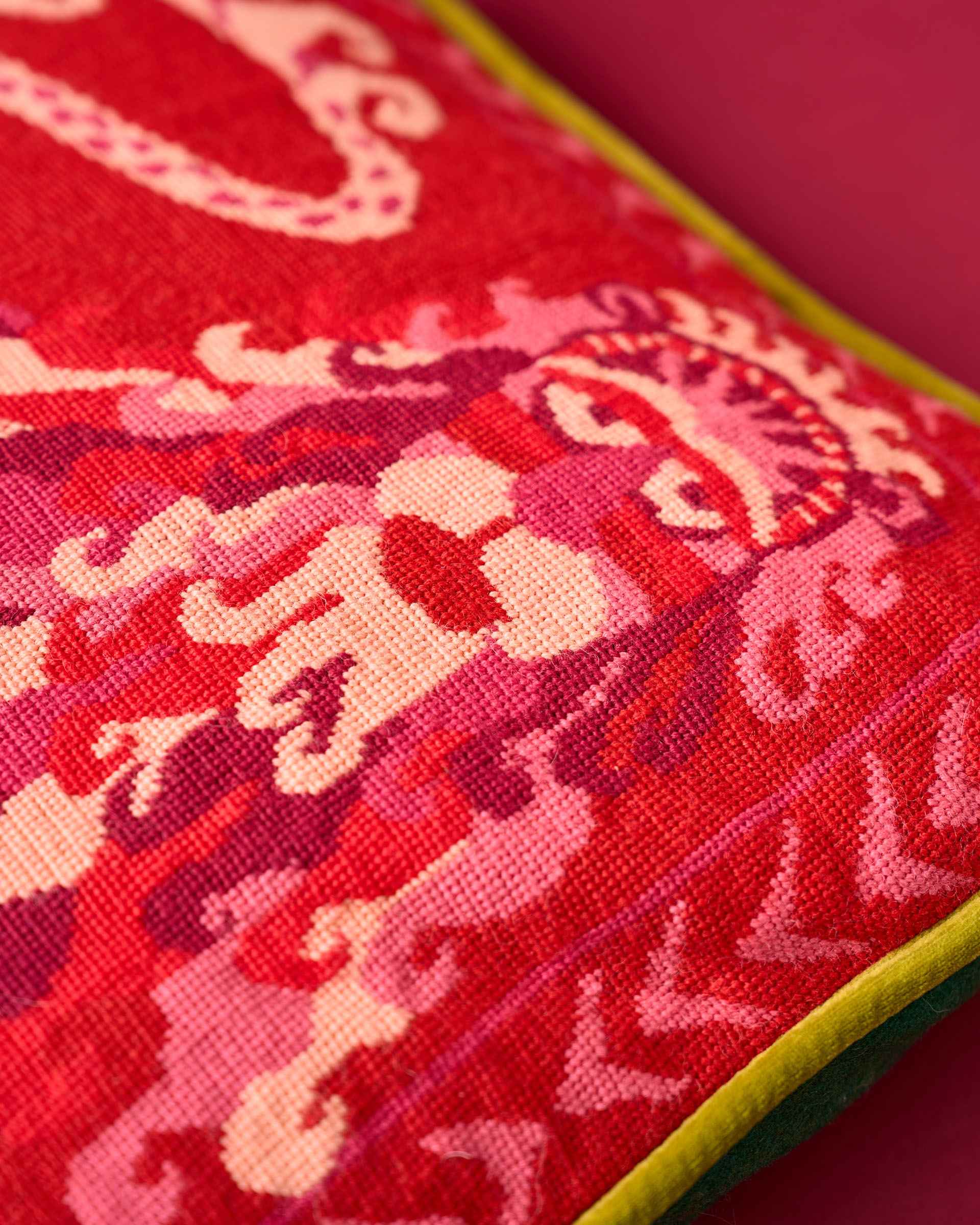
Another difference is what you're stitching your design with. Usually, needlepoint is stitched with wool, while embroidery is stitched with stranded cotton. Wool is thicker, with a slightly rougher texture, making it ideal for covering canvas quickly and creating durable, hard-wearing pieces. Cotton thread, on the other hand, is finer, softer and has a gentle sheen.
There's also a difference in the time and level of concentration each craft requires. Embroidery projects are usually quicker to complete, but they do demand more focus. As there aren't pre-made holes to guide you, you need to think about where each stitch begins and ends. You'll also usually be working with a variety of stitches, each with its own technique. Needlepoint, on the other hand, is wonderfully repetitive. The canvas tells you exactly where each stitch should go, making it an incredibly meditative craft. Once you've settled into the rhythm, you can almost stitch on autopilot, with the biggest decision usually being which colour of wool to pick up next.
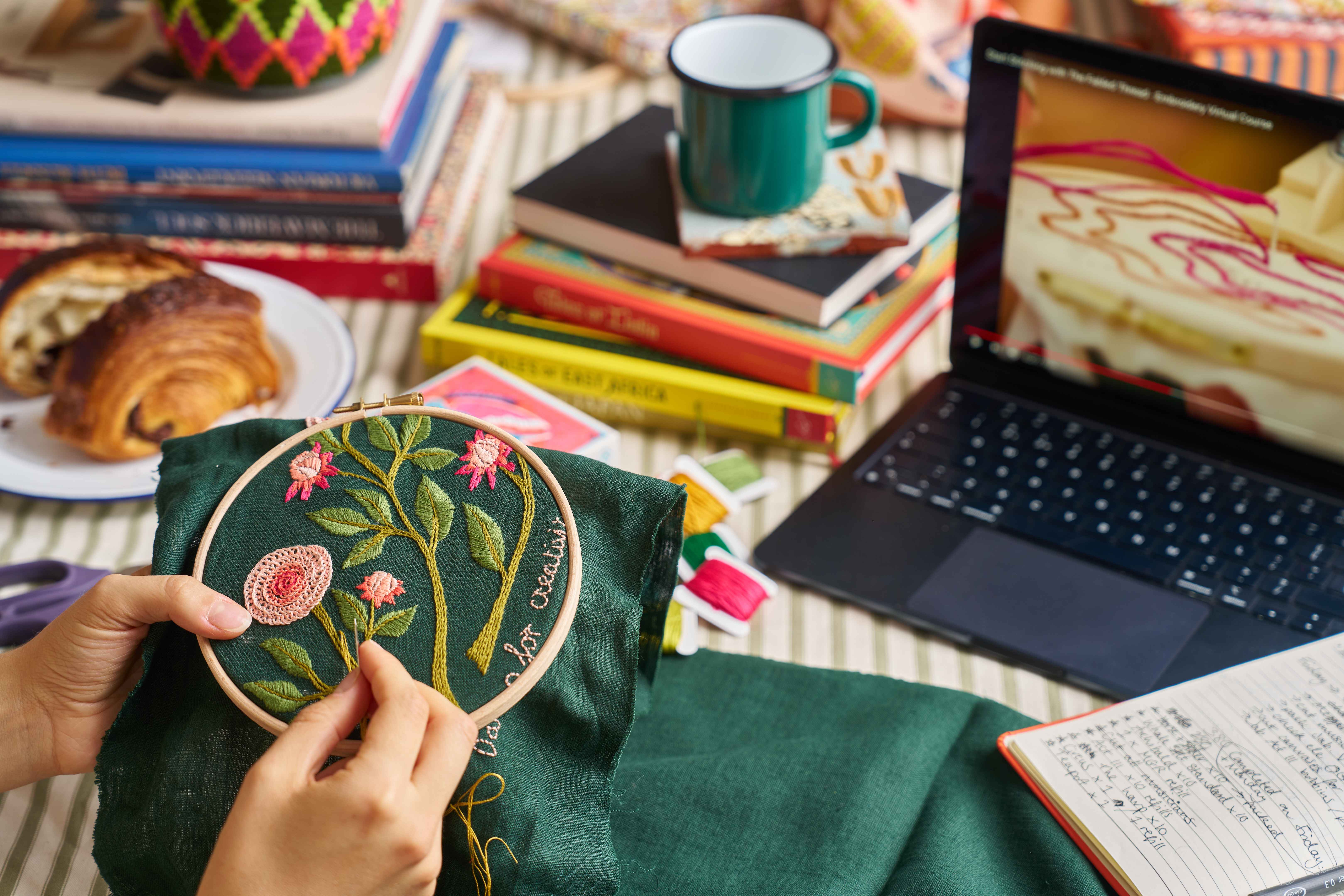
And we often think of embroidery as the perfect companion to an audiobook or the radio. It gives your hands something to do while your eyes stay happily occupied. Needlepoint, meanwhile, is ideal for an evening in front of the TV or a film.
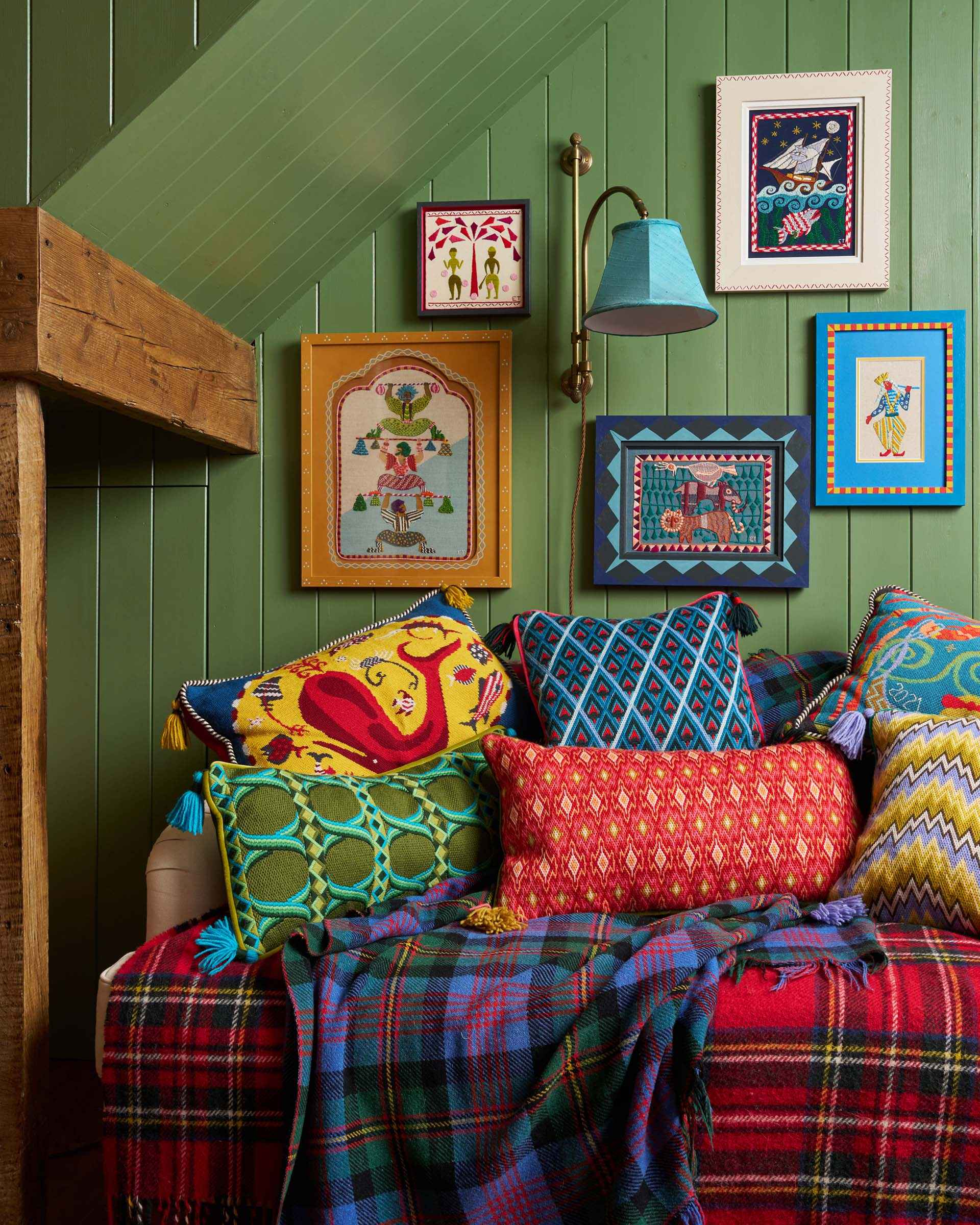
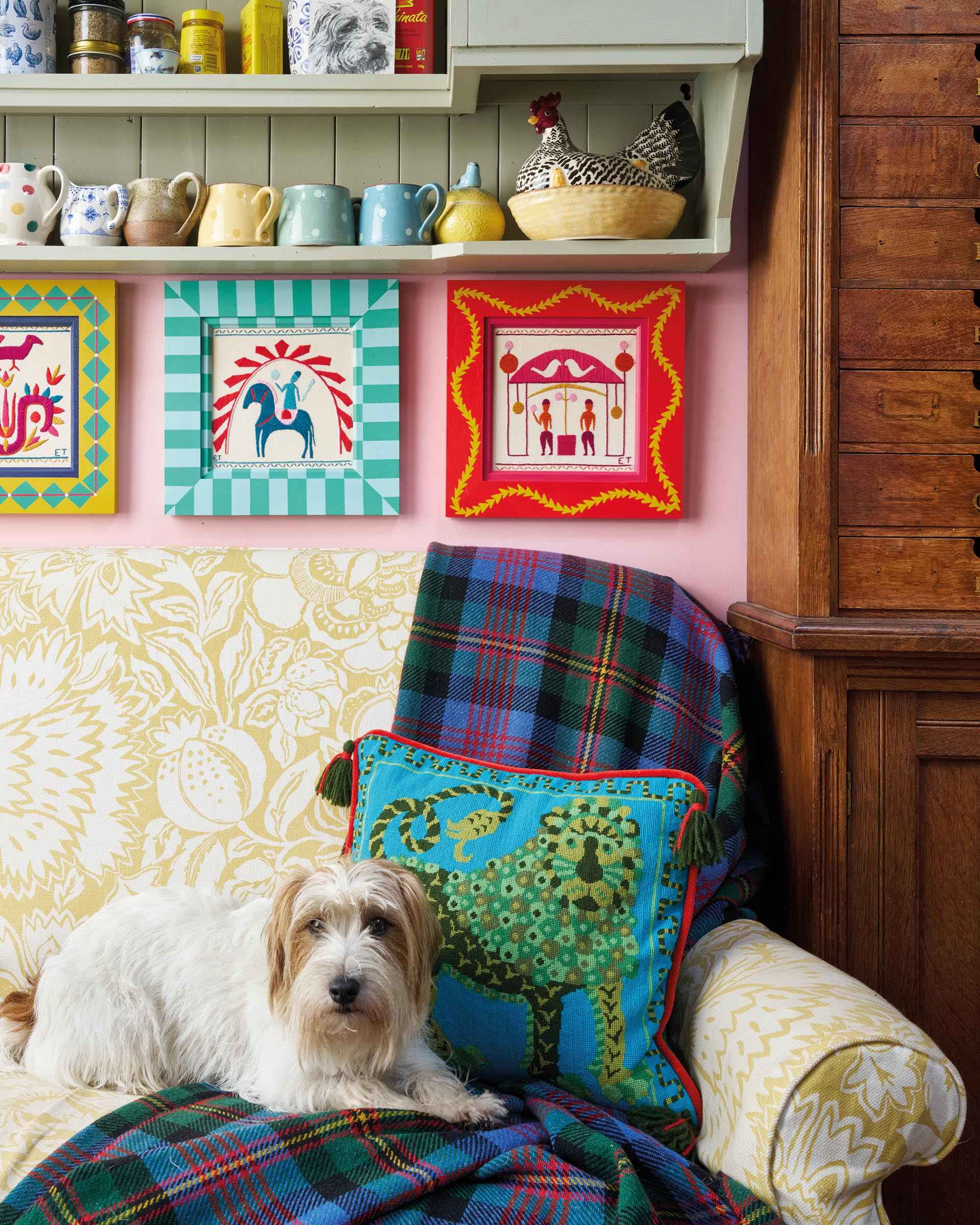
There are also practical differences between needlepoint and embroidery. Needlepoint is incredibly hard-wearing, making it the ideal choice for functional pieces such as cushions and Christmas stockings that are designed to be handled and enjoyed for years. On the other hand, the delicate stitches used in embroidery work beautifully as framed art or clothing.
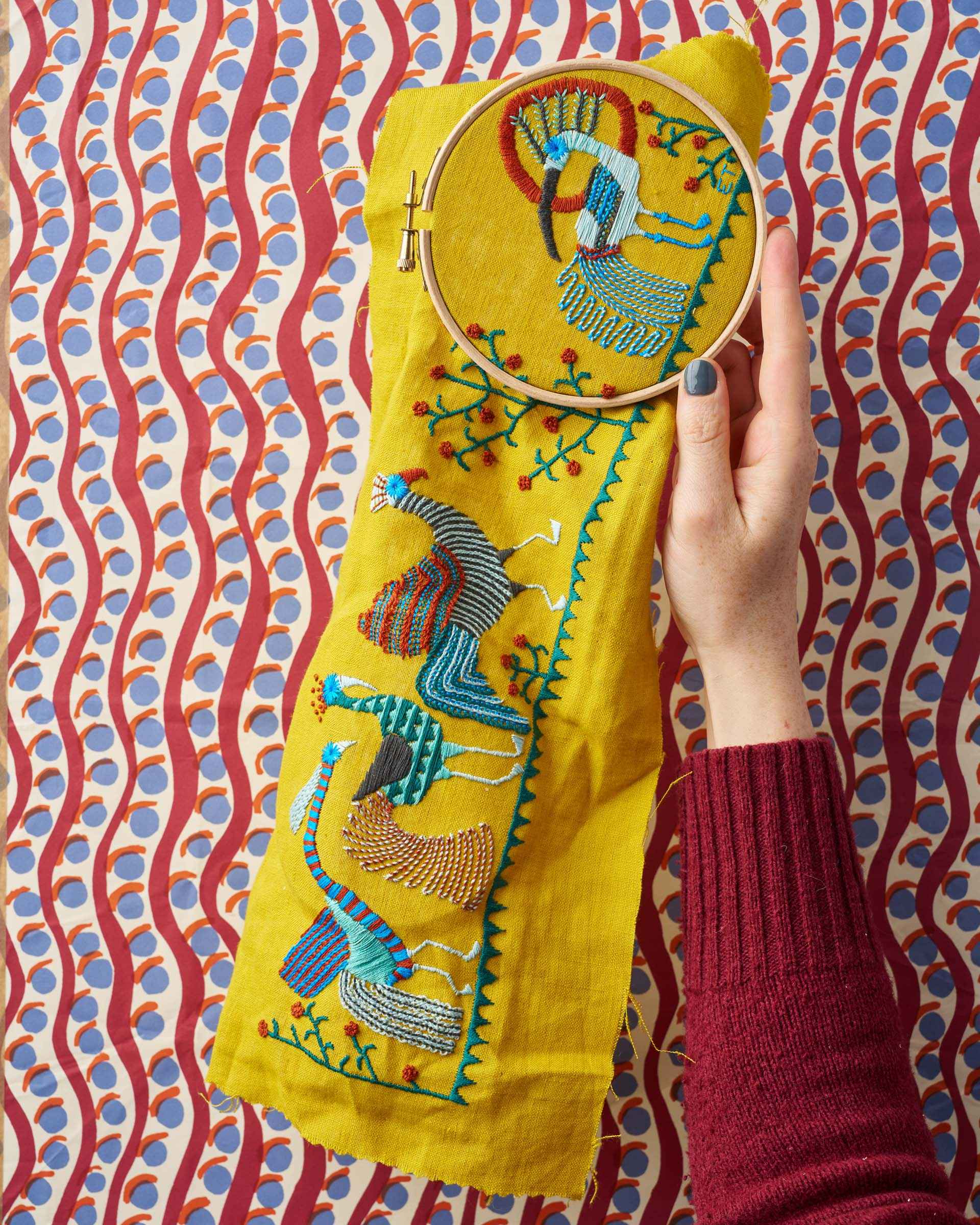
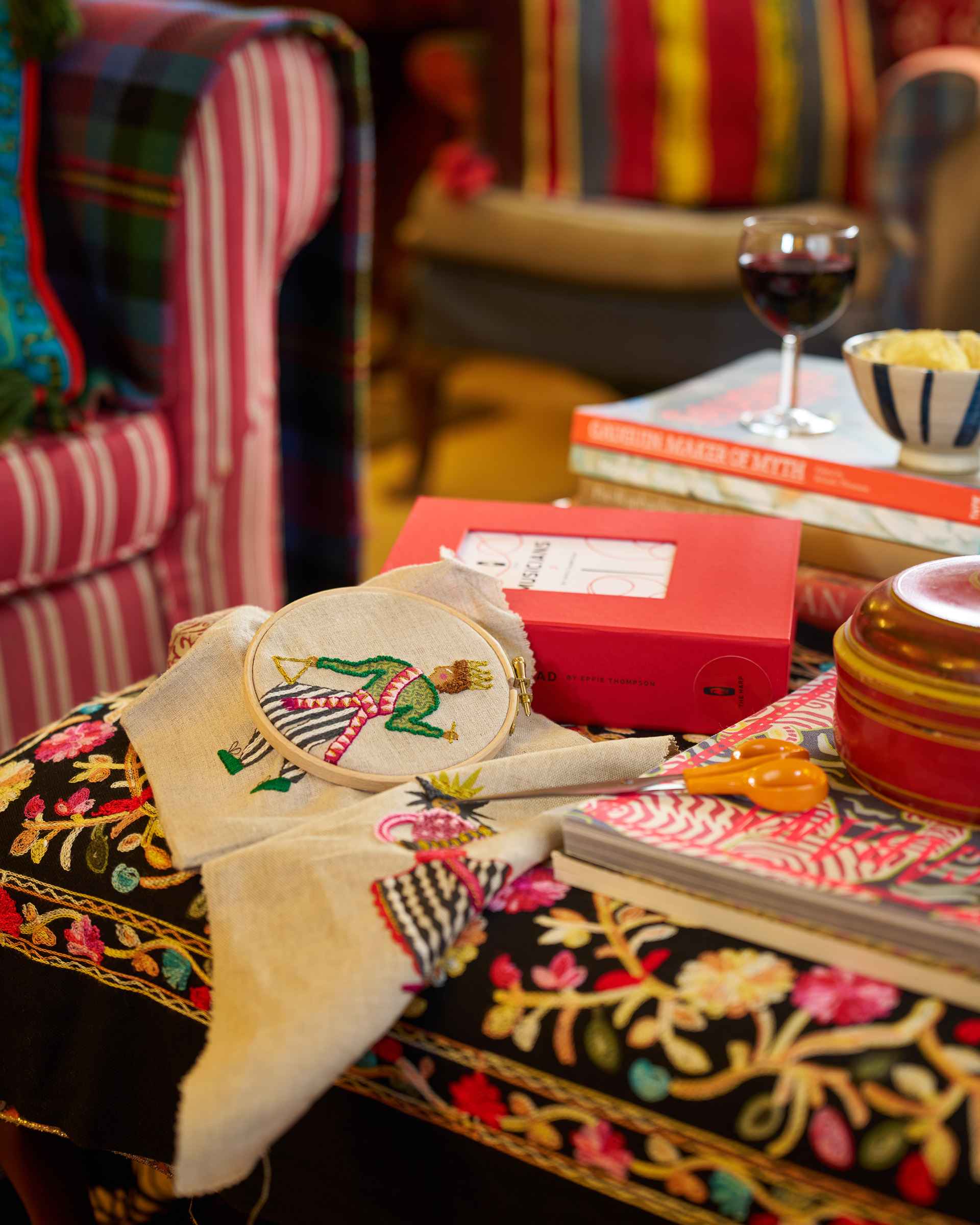
Over the years, embroidery has gained a bit of an unfair reputation, and if you've never tried it before, it could be easy to see why. For a long time, the market has been dominated by very simple kits with generic designs that are stitched, left in the hoop, and often, sadly, kept in a drawer forever.
Embroidery can also seem intimidating because there are hundreds of different stitches, countless thread combinations and no neatly spaced holes to guide your needle like there are in needlepoint. From the outside looking in, it can appear far more complicated than it actually is. Then there's the fact that many stitchers simply don't feel the need to try something new. If you've found a craft you love, why venture into unfamiliar territory? Completely understandable!
Perhaps the biggest misconception, though, is that embroidery isn't particularly artistic. Many people picture the mass-produced kits sold by the thousand online, with predictable quotes and uninspiring motifs, and assume that's what embroidery is. Unfortunately, those kits have become the public face of the craft.
We can proudly say - that is NOT The Fabled Thread!
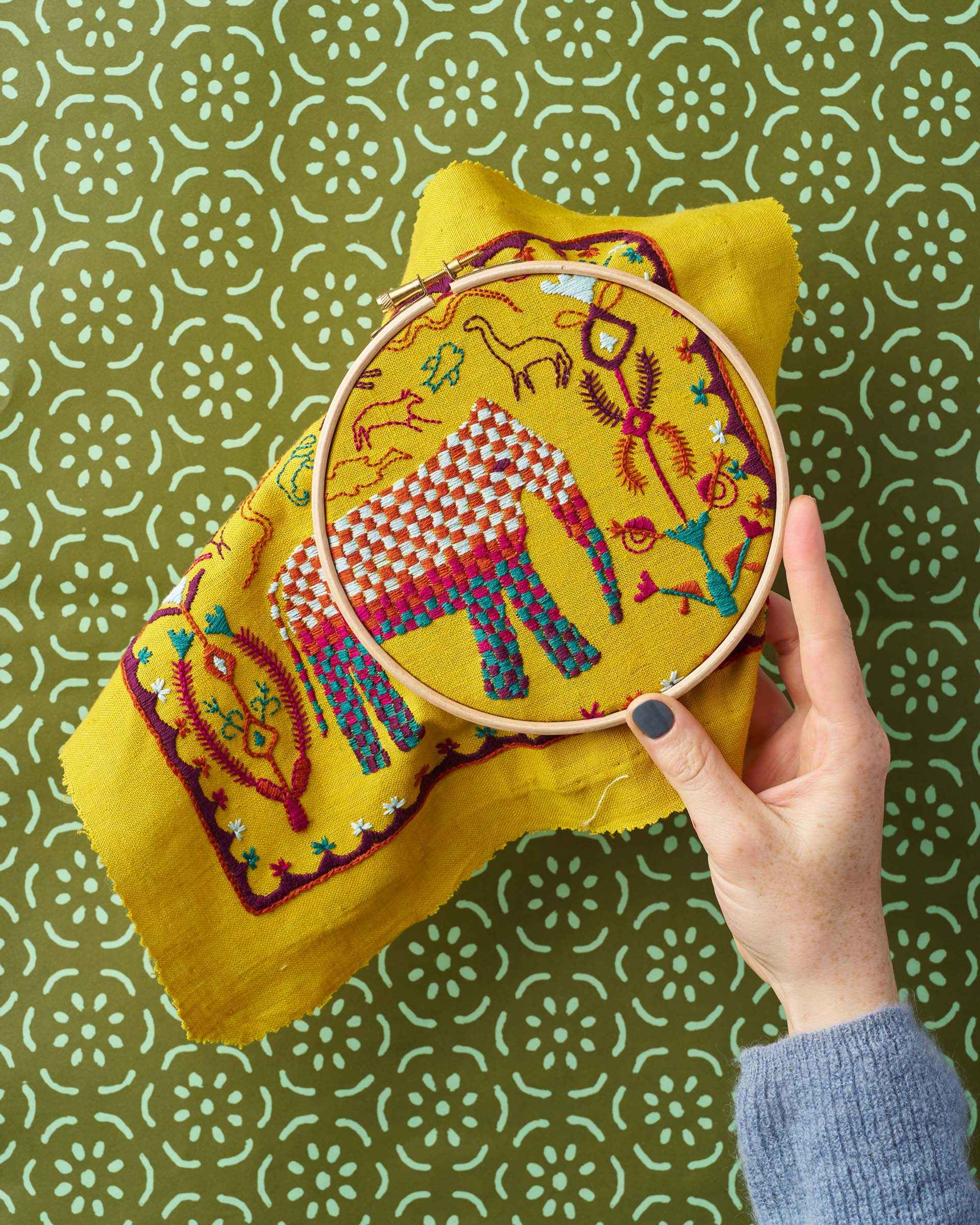
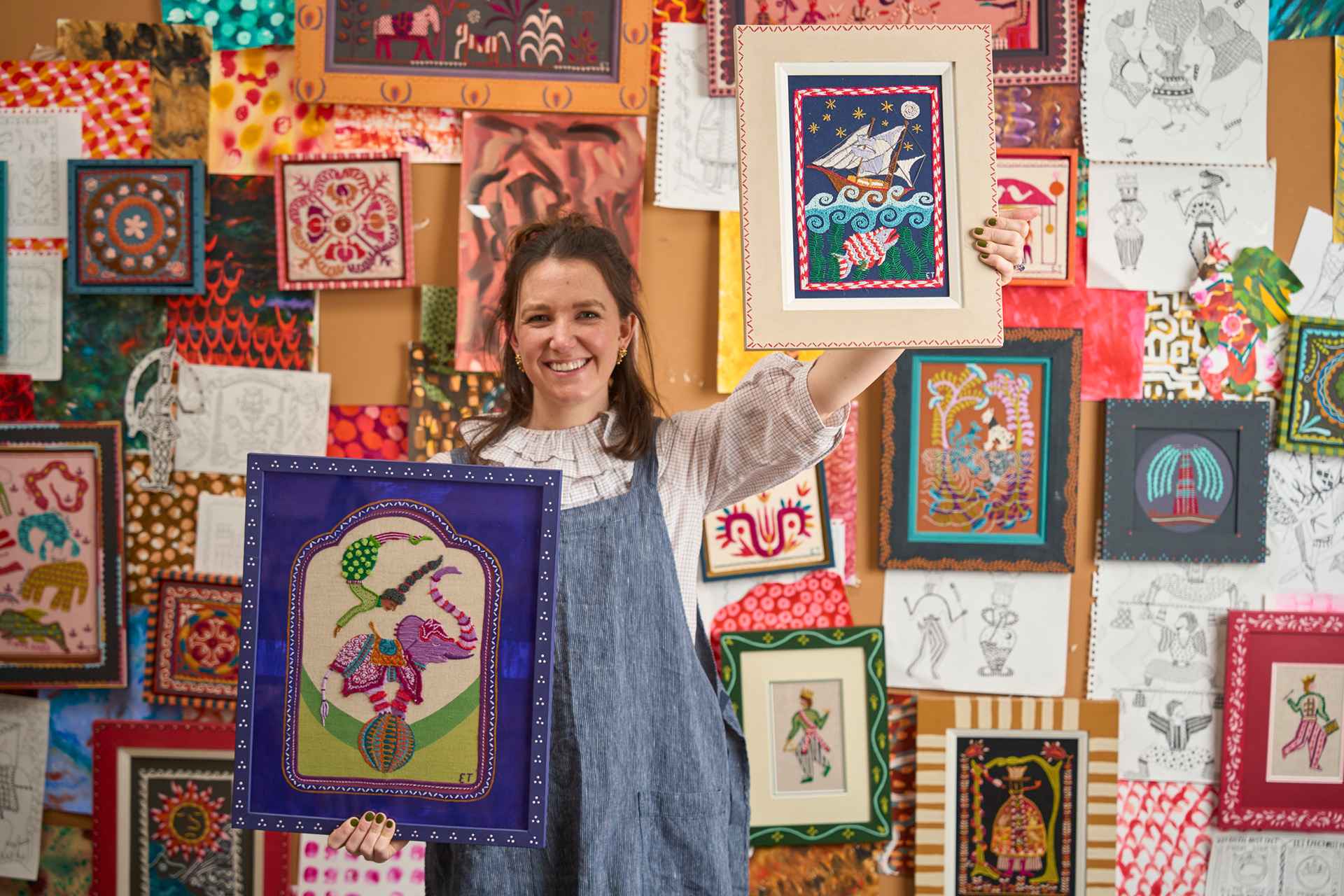
The initial reason Eppie started the business was because she believed there was room for something different. We want to create embroidery kits that feel like genuine pieces of art, as well as a reason to keep you off your phone. For us, embroidery isn't old-fashioned or naff - it's full of freedom and expression and one of the most creative textile arts there is!
Our Embroidery Kits


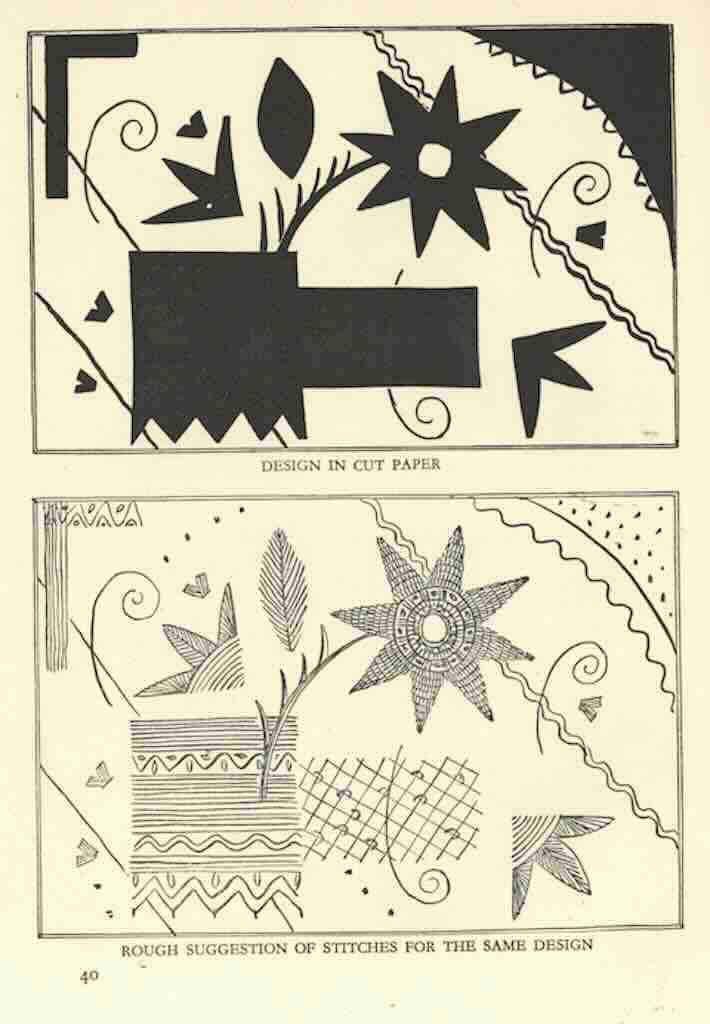
Our kits are designed to make embroidery feel as approachable as possible. We want anyone, at any stage of their embroidery journey, to be able to pick up a kit and complete it with confidence. Every kit comes with a detailed video guide, the design is already printed onto the fabric, the threads are organised onto numbered bobbins, and you'll find a clear stitch plan showing exactly which stitch to use, where to place it and which colour to stitch it in. We like to think of it as colouring by numbers, but with thread.
And once you finish your kit, we encourage you to frame it and never leave it in the hoop! One of the quickest ways to make your finished embroidery feel like a genuine piece of art is to give it a proper frame.
We also want you to experiment and play, which is why we created our freestyle embroidery bundles, Limited Edition kits and virtual courses. Our goal isn't for you to stitch kits forever. We hope they'll give you the confidence to start designing embroideries of your own. It takes a lot of courage to trust that your own ideas are worth stitching, but more than anything, it just takes practice.
And finally, the designs come to life very quickly, giving you that lovely sense of progress from the very beginning.
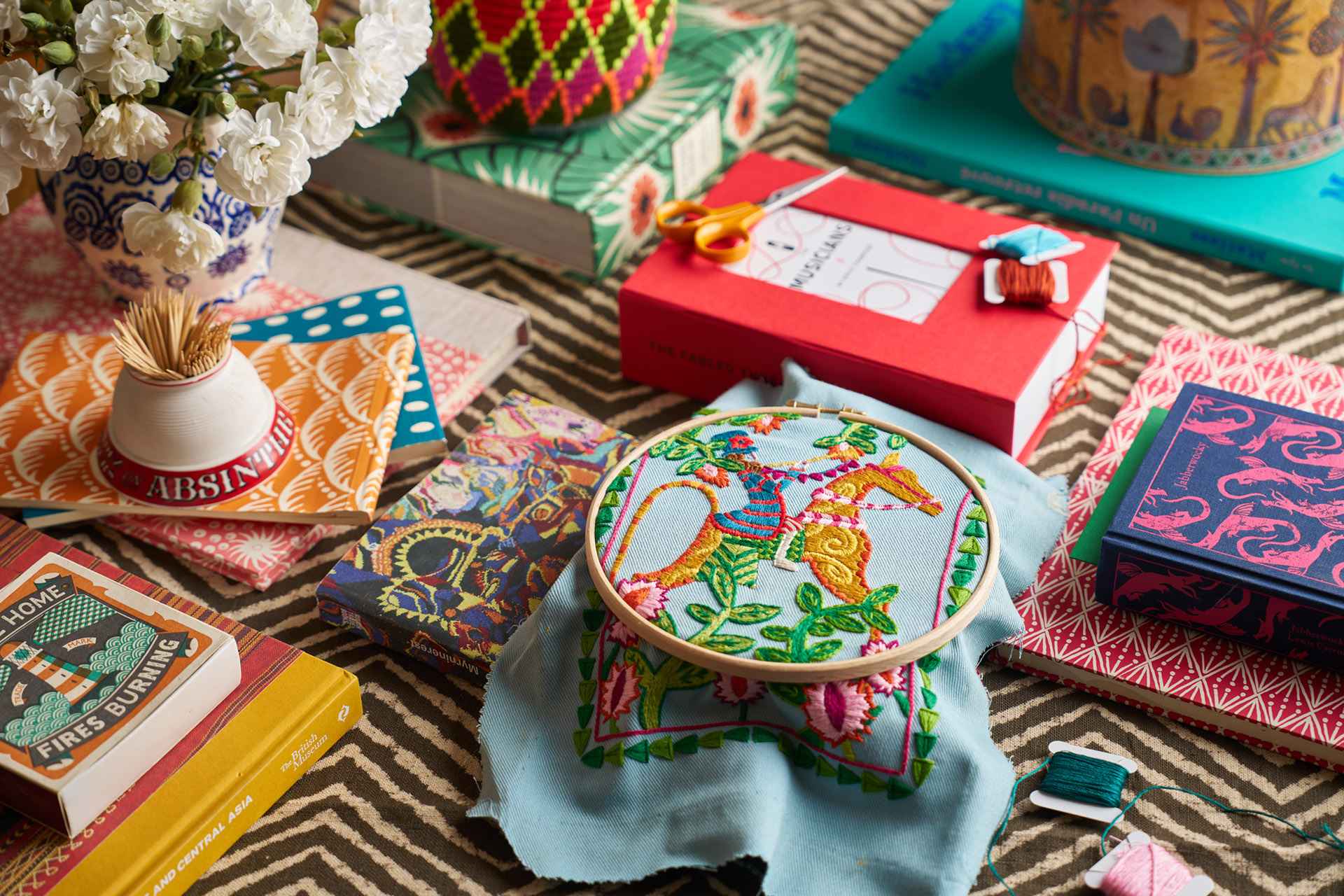
The truth is, we love both needlepoint and embroidery, but embroidery will always be our first love. It's the one we find ourselves constantly dreaming up new ideas for, and the one that made Eppie start The Fabled Thread. We think embroidery is a skilful, creative craft that produces beautiful textile art to be treasured for generations. It's imaginative, full of variety and far more approachable than many people realise!
So if you've never given embroidery a chance for any of the reasons we've mentioned, or simply because you've always considered yourself exclusively a needlepointer, we'd seriously encourage you to give it a go. You might just be surprised!