Embroidery 101: What to keep in your sewing kit
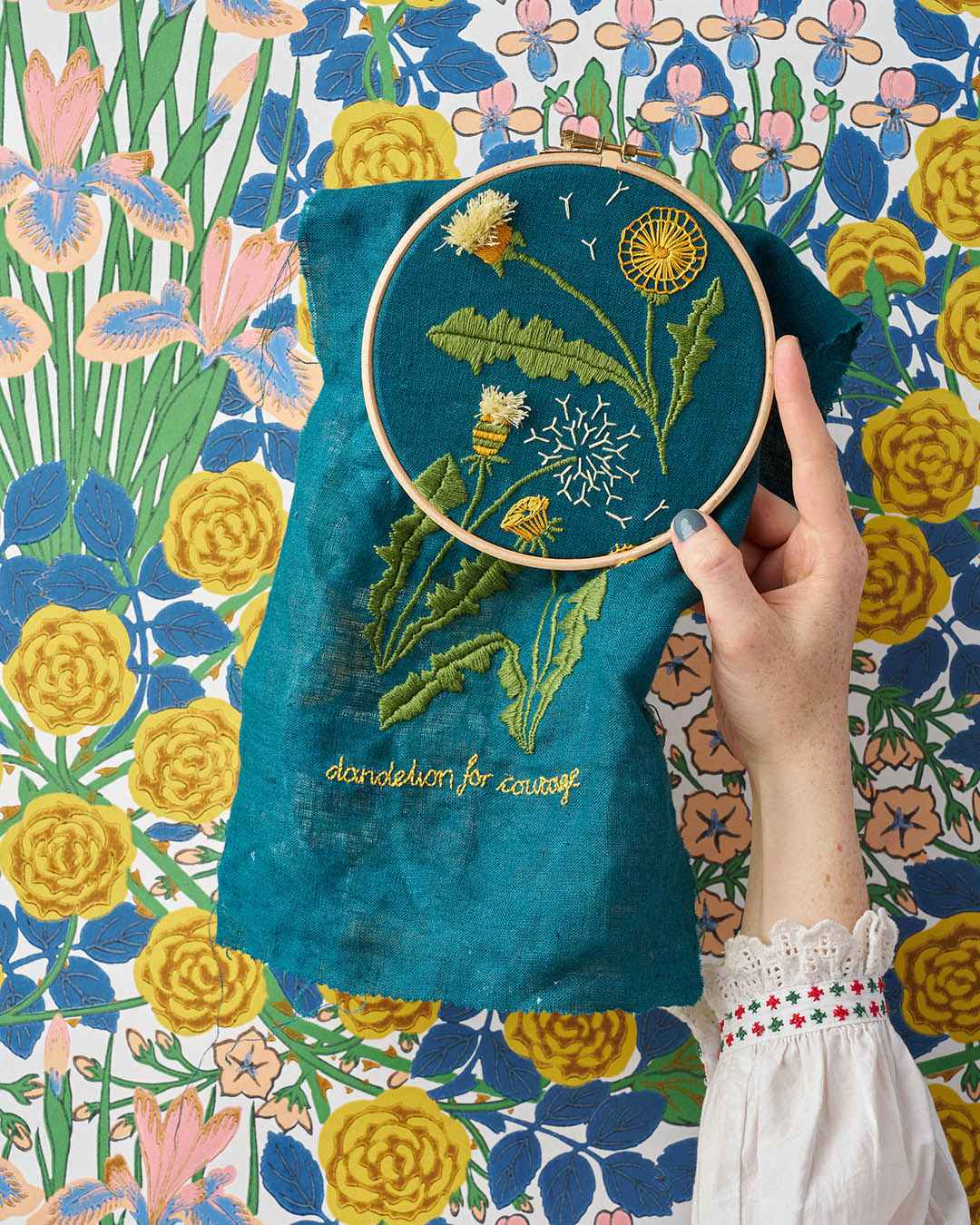
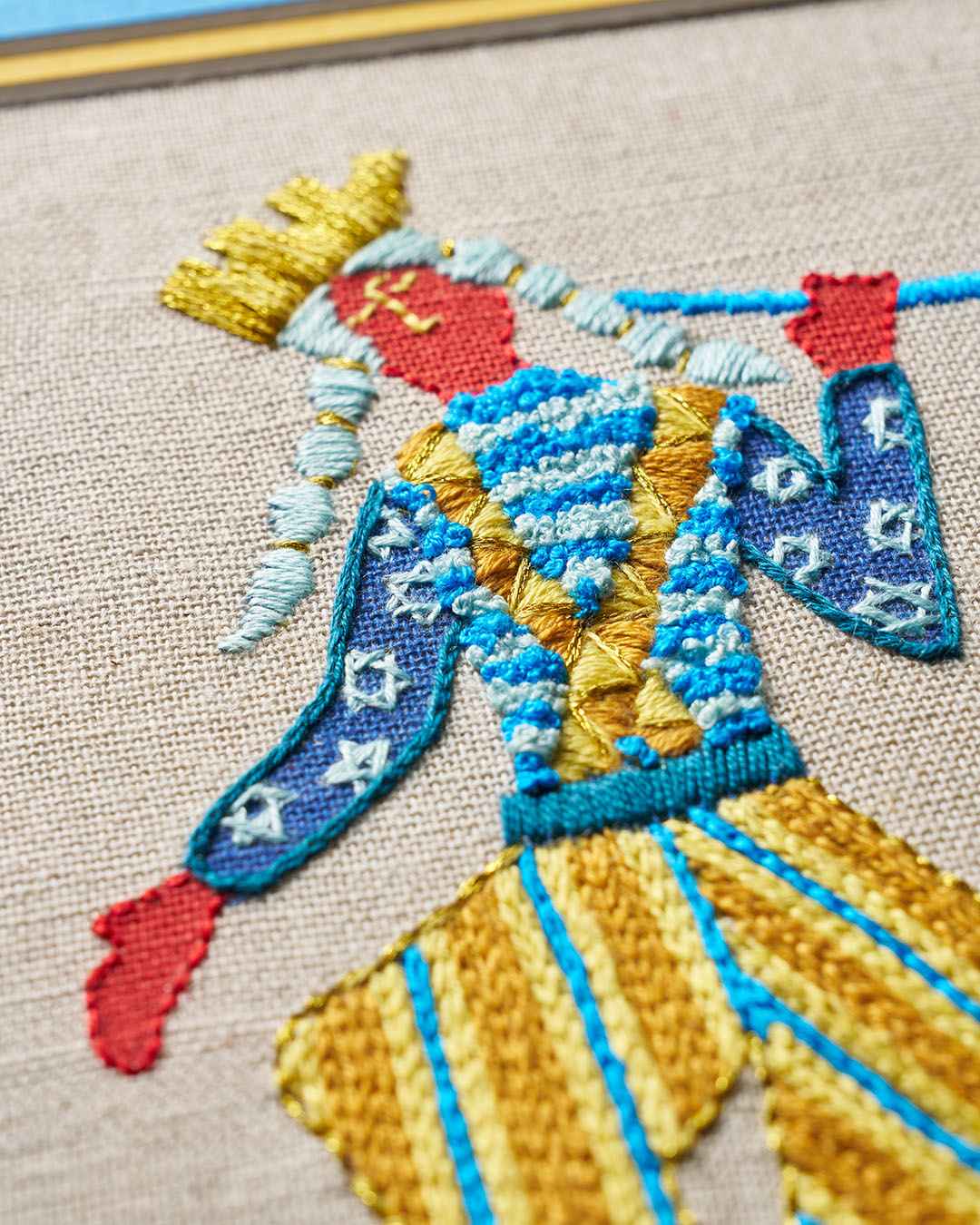
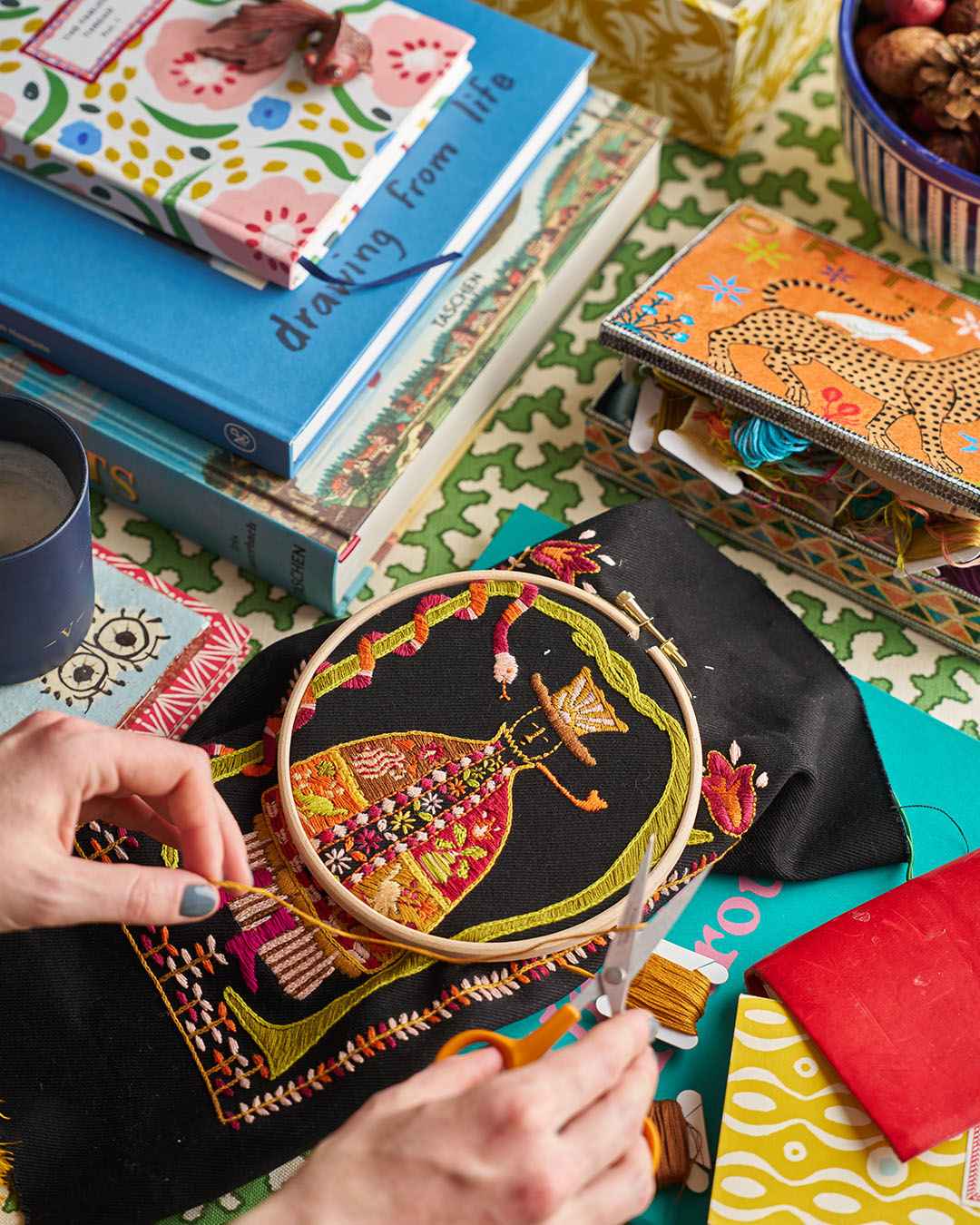
What makes sewing so great is that it's simple to do, inexpensive to start, very portable and not at all messy. Being able to take your embroidery on the go means, when you find yourself unexpectedly on a bus diversion, held at a red light, stuck in traffic (as a passenger, obviously), waiting for a friend at a coffee shop, on hold with your car insurance, or sitting in the doctor's waiting room - basically anytime your hands are free, you can pick up your embroidery for any length of time and quickly put it down again without worrying your stitches will unravel or fall out.
Even just a few minutes of sewing adds up!
We have lots of information for beginners looking to start their embroidery journey - from our top embroidery tips and lessons learned, to our best advice, and what we wish we'd known when we started sewing.
You can read our Top Tips for Beginners article here, and we also have it in video format (below) for those, like us, who love to learn and stitch at the same time!
There are a few essentials to include in your sewing kit to make sure you can easily start stitching.
You will need:
- An embroidery hoop - Either 5" or 6" hoops work best, as you can use them across lots of designs. You don't have to fit your entire design in the hoop - simply move the hoop across the fabric as you stitch. This doesn't cause any damage to the stitches underneath the hoop, but helps maintain good tension, and makes your embroidery much more portable.
- Two sizes of needles - One for most of your stitching, with an eye large enough to easily thread with six strands, and one that’s smaller and more delicate for details like French knots, which benefit from a small eye needle.
- Fabric - It's incredibly important to choose the right type of fabric for your embroidery. Anything too lightweight or loosely woven won't have the structural integrity you need, and anything too thick can hurt your hands and be challenging to work with. Our favourite fabrics for embroidery are cotton and linen.
- Scissors - We’re often asked about the difference between scissors and snips. Simply put: scissors are better for getting into small areas precisely, while snips are often more travel-friendly (most airlines allow scissors with a blade length under 5cm). But in case of a scissors emergency, keep a pair of nail clippers in your bag - they can cut thread if you’re flying and a particularly diligent security person confiscates your scissors!
- Tools to translate a design - There are several options for transferring your design onto fabric, and each has its pros and cons. A Posca pen is excellent because it won’t budge - but also because it’s permanent - it can’t be removed if you change your mind. Chalk is great if you’re not fully decided and might want to erase a part later, but works best on darker fabrics. A Pilot Frixion pen can be removed with heat, though it doesn’t show up well on dark fabrics. Eppie talks more about this in the Design Your Own Embroidery article.
- A folding ruler - This helps you measure your design space before you start sewing, so you can make sure it will fit the frame. It’s very important to decide the size of your embroidery before you begin - it would be incredibly frustrating to spend hours stitching only to find it doesn’t fit in the frame at the end, and you have to source another one.
- Little pad of paper - For sketching design ideas or testing motifs before you get started.
Your sewing kit essentials


Having a new and exciting idea but not being able to work on it straight away can be incredibly frustrating and even demotivating. This is why we suggest keeping a spare set of fabric and bobbins at the ready, so if inspiration strikes, you can get started on your new embroidery idea immediately.
We always plan the fabric and threads before starting any design. It helps reduce decision fatigue and doubt when it comes to bringing your design idea to life. We think picking colours is one of the most fun parts, but also one of the most important. A good colour palette can make even the simplest design look brilliant, whereas even the most impactful design can fall flat if the colours are confused or lacking in contrast. Eppie covers this at great length in our Design Your Own Embroidery article which you can read here.
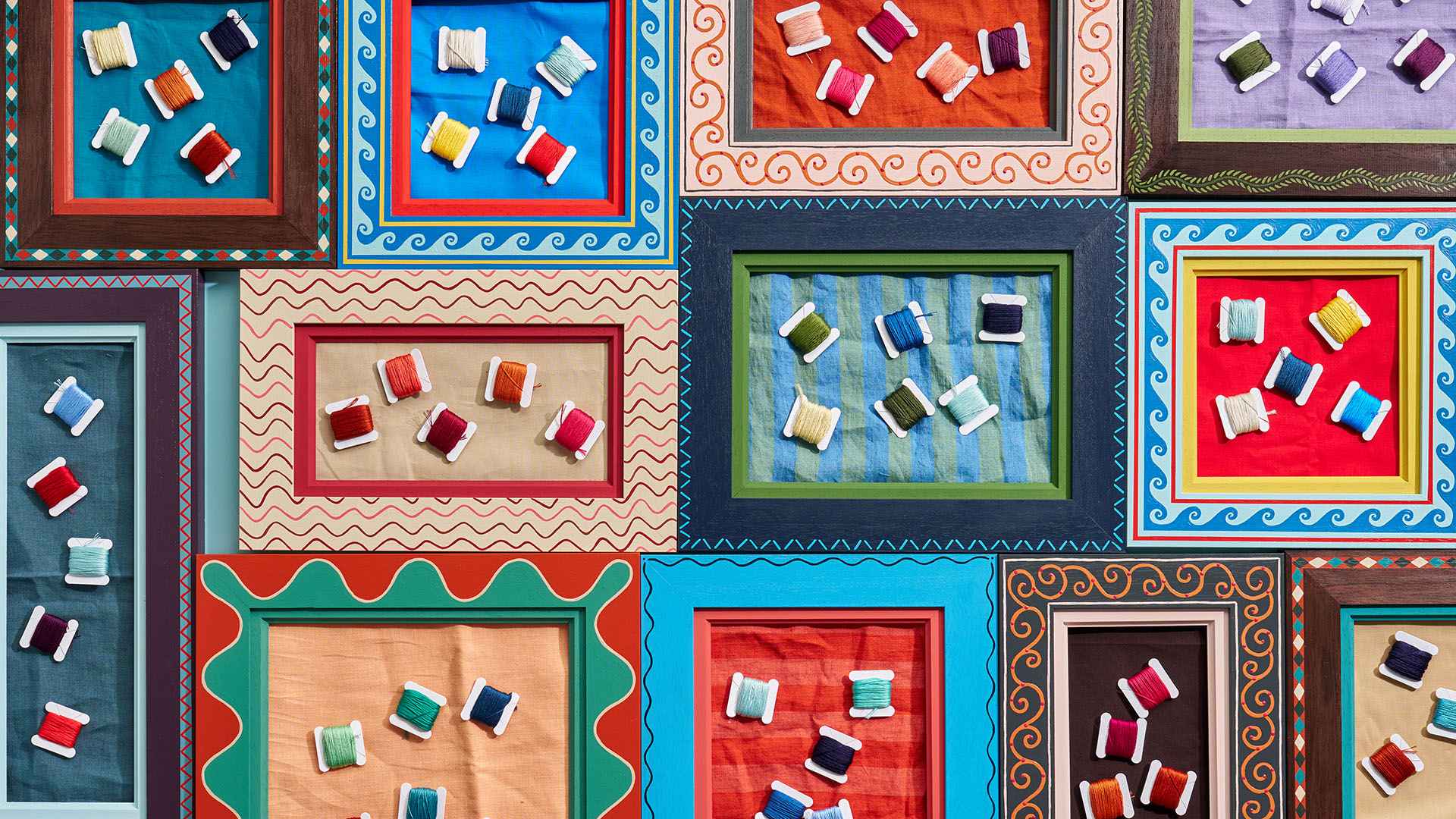
If coming up with a design feels like enough of a challenge for your first go, we do have a helpful shortcut – our Bundles.
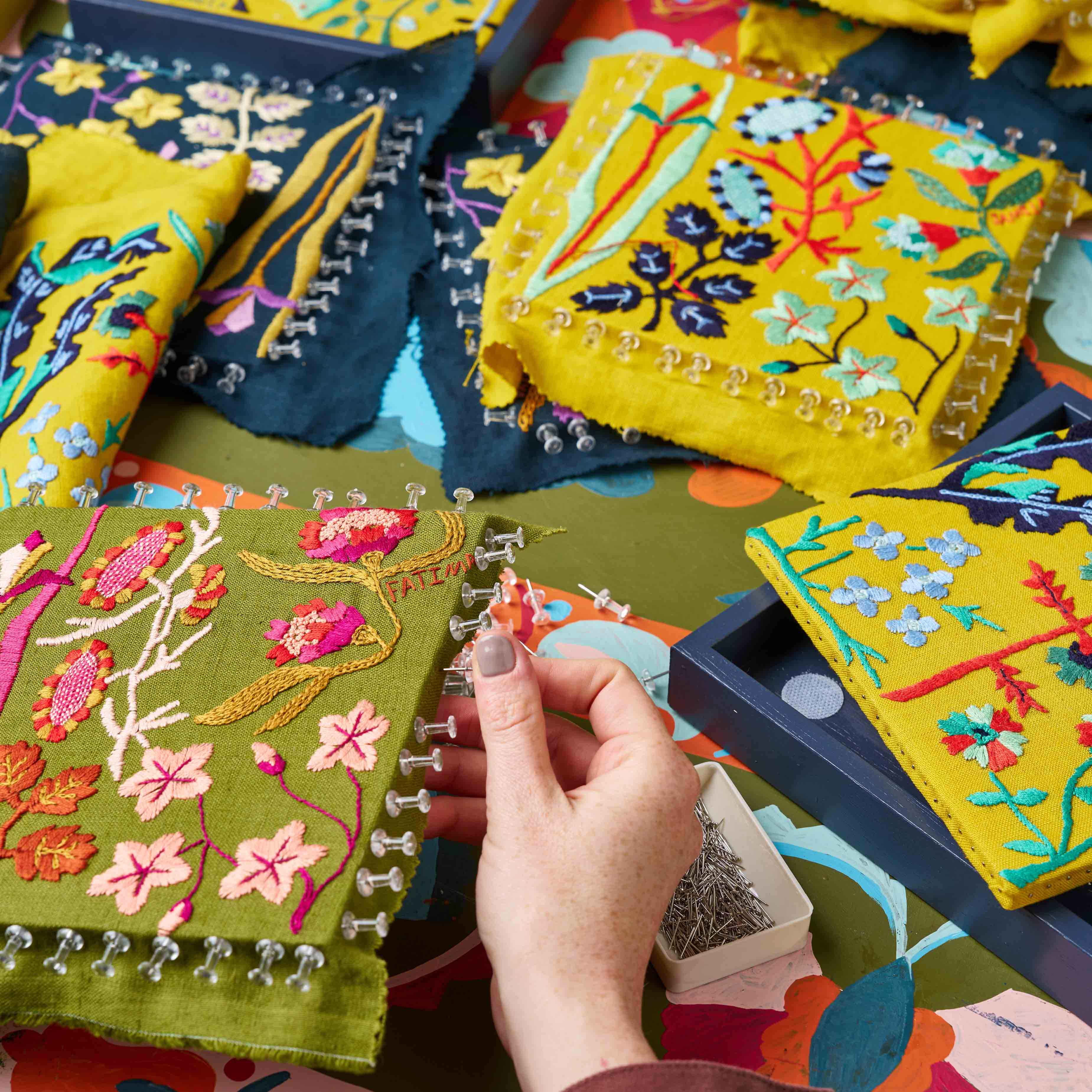
Each bundle includes a piece of fabric and enough thread to create your design, but more importantly, we’ve already done the hard bit of making sure the colours work well together. Each one has enough tonal variation to let you play around with light and dark, harmony or contrast. So if you want to focus on stitching something original without worrying about the palette, starting with a bundle can really help build your confidence.
Embroidery bundles


There are two main types of storage you’ll need for your embroidery. The first is for the project you're currently working on - we would recommend something like a small zip bag. Jen made everyone in the team a zip pouch for Christmas. They fit all of the sewing kit essentials, including the hoop - but not much else, so they help to subconsciously stop you from carrying things with you that you probably won't need for your current embroidery project.
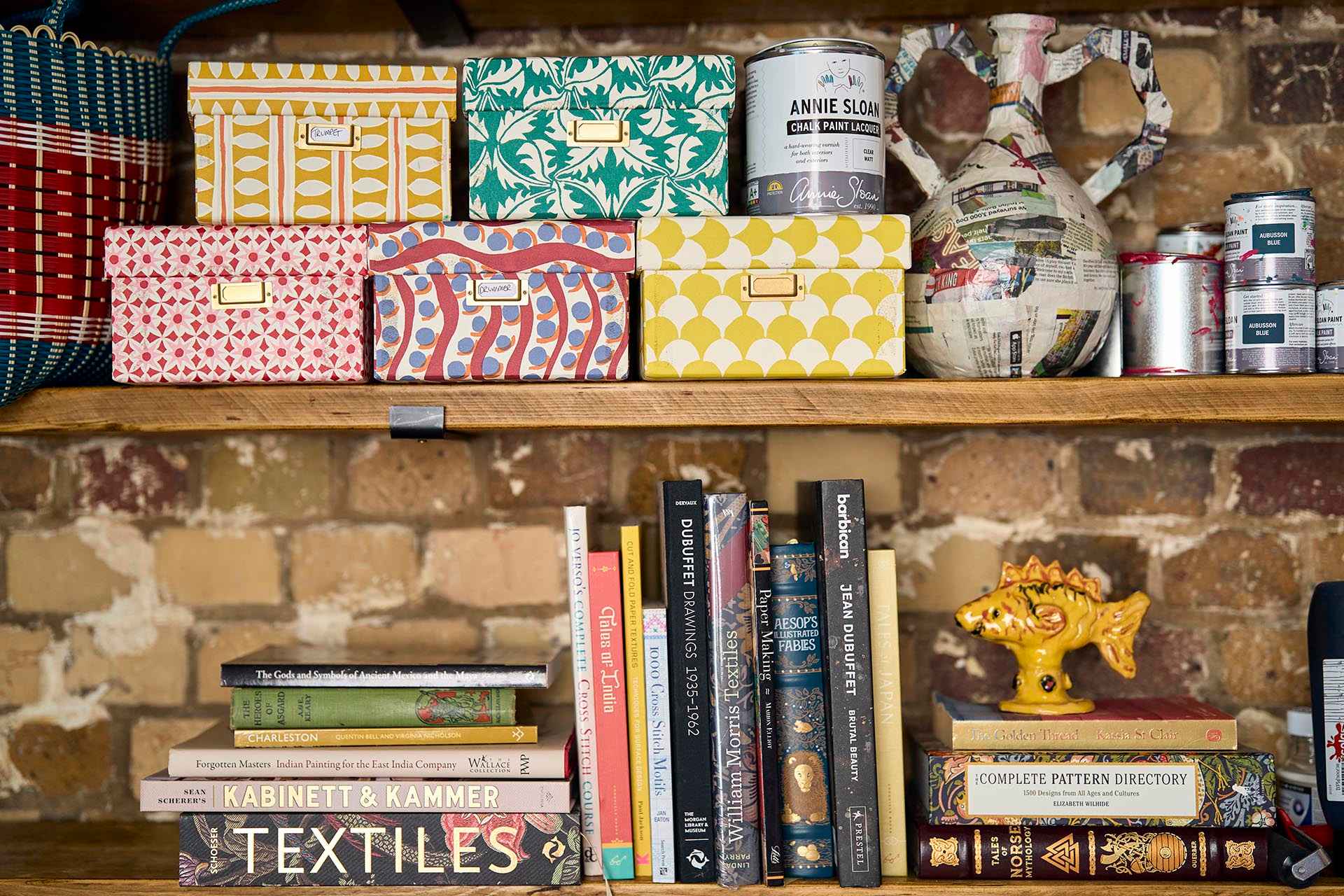
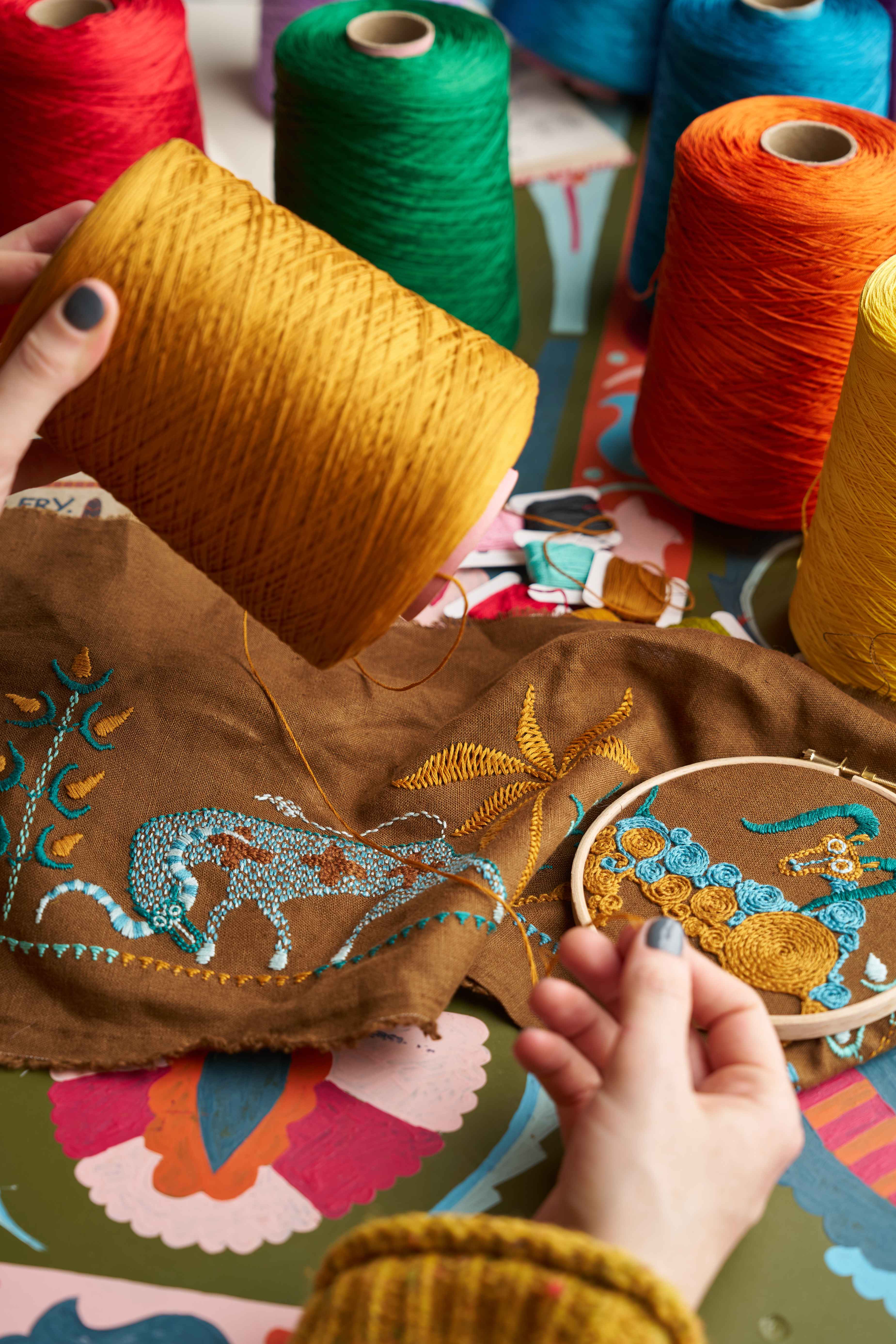
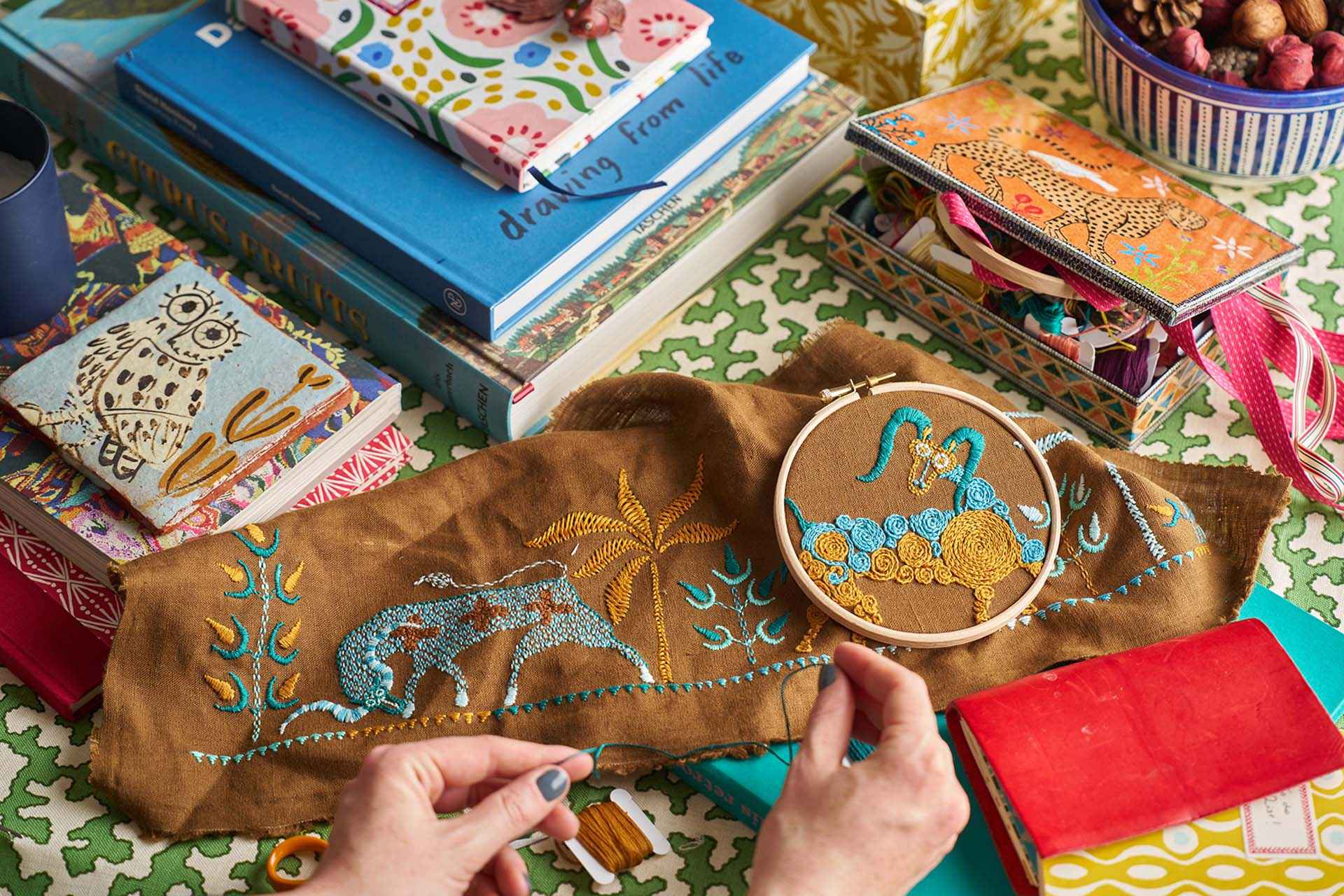
The second type of storage is for the extra materials you’ll gradually accumulate. This is where you’ll keep spare bobbins from past projects and leftover bits of thread. In the studio, we use boxes with lids that are the same height as our bobbin cards, so they fit neatly inside. This means that when we start a new embroidery, we don’t need to get new bobbins, because we have the leftover ones organised from past projects. We keep them arranged by colour so we can easily grab what we need.
For a long time, Eppie kept everything in a lovely tin box (one like this) which worked well, although the inside was a bit of a mess.
- How much does it cost to start embroidery? Before you begin a new hobby, it's a good idea to calculate how much you need to spend upfront on the essentials to get started. If you were to purchase everything that we consider to be essential for your sewing kit, it would cost around £50.
There are lots of things which we consider to be nice-to-haves that you could add to your kit in the future, such as a good reading light for stitching in the evenings, fancy scissors, needle threaders, tracing paper - for freestyle designs, and a nice sketchbook for your ideas. - What do beginners buy that they don’t actually need? All too often people feel that because they are doing embroidery, they have to use an embroidery needle. Not true! Embroidery needles are more delicate because if you are doing very fine and sophisticated work you want to work with as narrow a needle as possible. But if you are doing embroidery like our kits, then that really doesn't matter. I have met hundreds of people who love the idea of sewing but cannot bear threading needles. It's a shame how much this part of the process puts off potential embroiderers! So instead, I highly recommend everyone use a chenille needle for embroidery. These needles still have a relatively narrow shaft, but, importantly, have a much bigger eye!
- How do I keep my sewing kit organised? In your sewing kit, you don't need to carry a lot of stuff - the bobbins, fabric, needles, hoop, marking tool/pen and scissors. By being strict and only carrying what you need, this should reduce the mess. Your home kit (with the extra materials you've accumulated from past projects) will need a bit more structure to keep organised. Try not to hoard any pieces of thread that are too short for anything and store things like-for-like, for example, bobbins with bobbins, hoops with hoops, pens with pens and so on.
- Can I fly with a sewing kit? Most airlines will allow you to bring scissors that have a blade length smaller than 5cm, but in case these are confiscated, we recommend packing emergency nail clippers, which will at least allow you to cut your threads!
- How many needles do I actually need? You will need one large eye and one small eye embroidery needle for most projects (with the small eye only being used for delicate sewing like French knots). We would always recommend packing spare needles in case they get lost!
- Can I share tools between projects? Once you've got all of your sewing tools for your sewing kit, these can be used for all of your future sewing projects.