Resources
Your Guide to Doing Winter with The Fabled Thread
Every year, when the temperatures creep up, we start waiting for them to come back down again, for that first morning with a chill in the air, the first evening you notice it getting dark, the first time you leave the house and think actually, maybe I need a coat today...
Because this is the good bit, the season when staying in is a perfectly legitimate plan. When every walk can reasonably end in a hot chocolate, when you can cook things slowly, light candles ridiculously early, and spend the whole afternoon sewing to your heart's content.
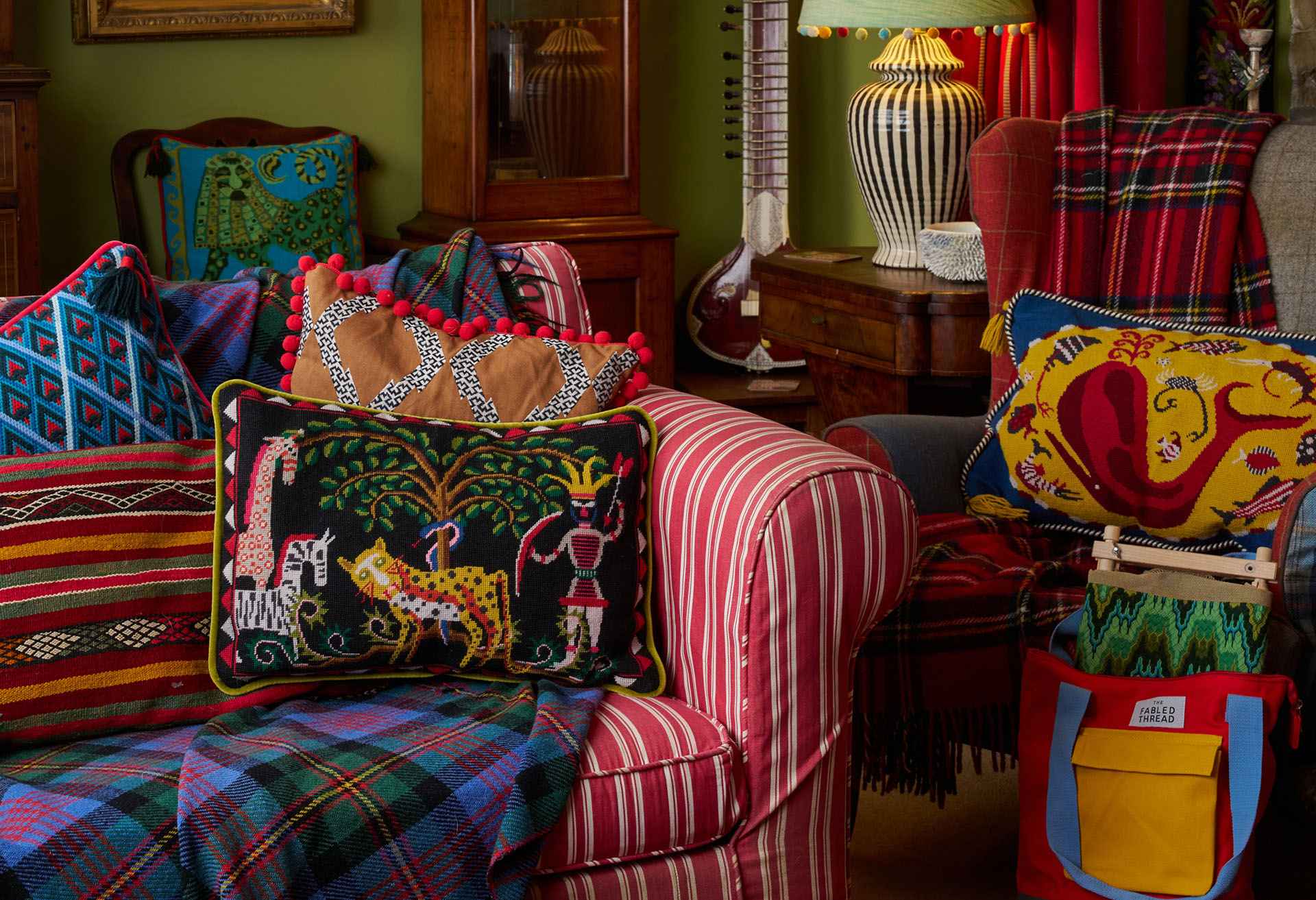
If you're feeling the pull towards introducing more “analogue” activities into your life, we’ve put together this guide for where to begin if you want to get into sewing this winter. And we've also written previously about the benefits of making life more analogue, which you can read here, and we also explain why we believe getting offline is essential for creativity here.
There are real advantages to loosening our grip on digital media a little. There’s something rather lovely about becoming so absorbed in what you’re doing that you forget to document it. Spending time on a project purely for your own enjoyment, with no audience and no expectation attached.
Then there’s the simple pleasure of working with your hands. Physical materials naturally pull you away from screens - which, if I’m honest, is one of the reasons I picked up embroidery in the first place.
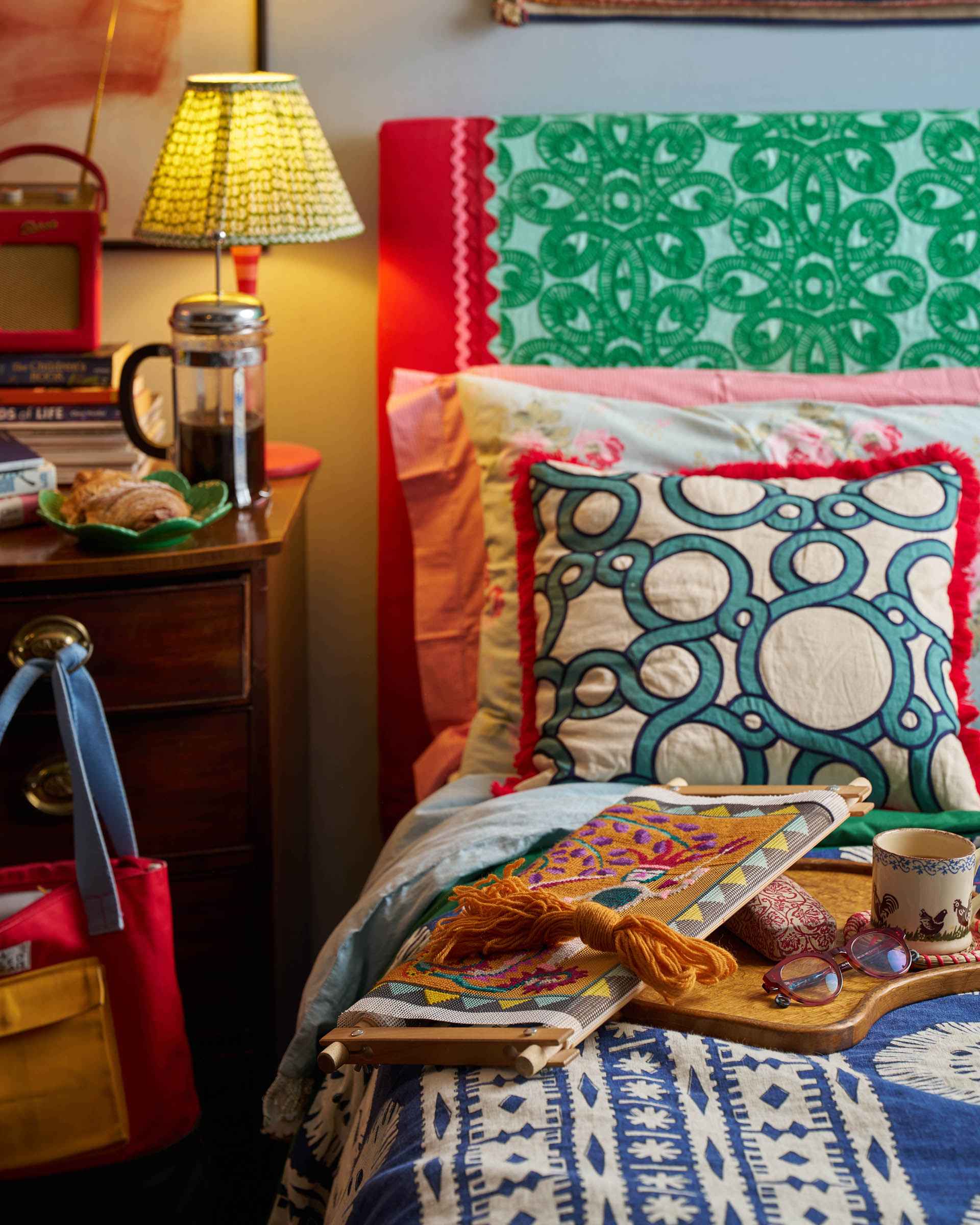
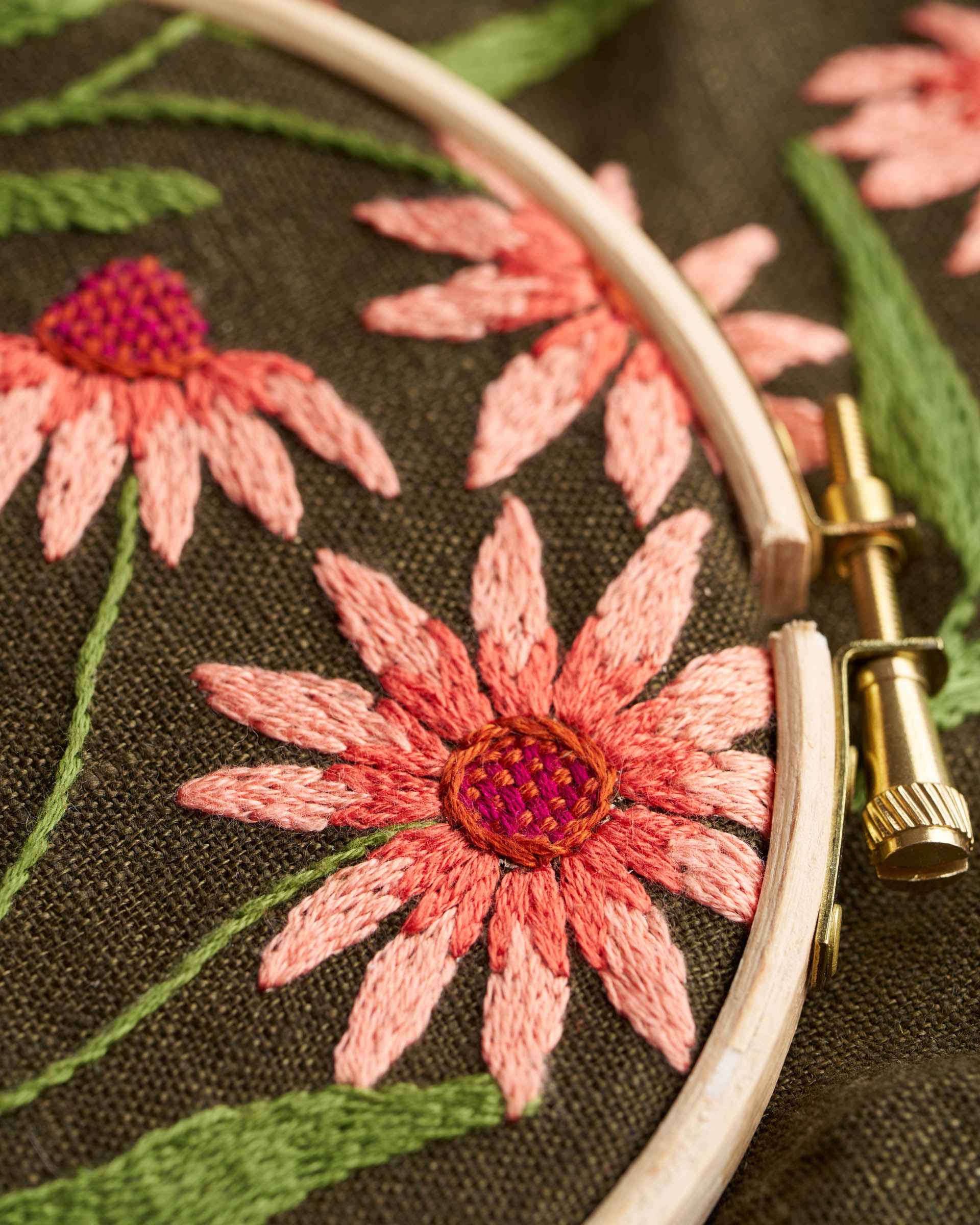
If you’re coming back to sewing after a break, there are many things you can do to reignite the stitching spark. You can choose a kit with new stitches you haven’t tried before, or take it easy with a beginner kit to rebuild your familiarity with sewing. The first thing to decide before choosing your project is whether you want something that totally absorbs you or something you can do to unwind, that is meditative but doesn’t take too much concentration.
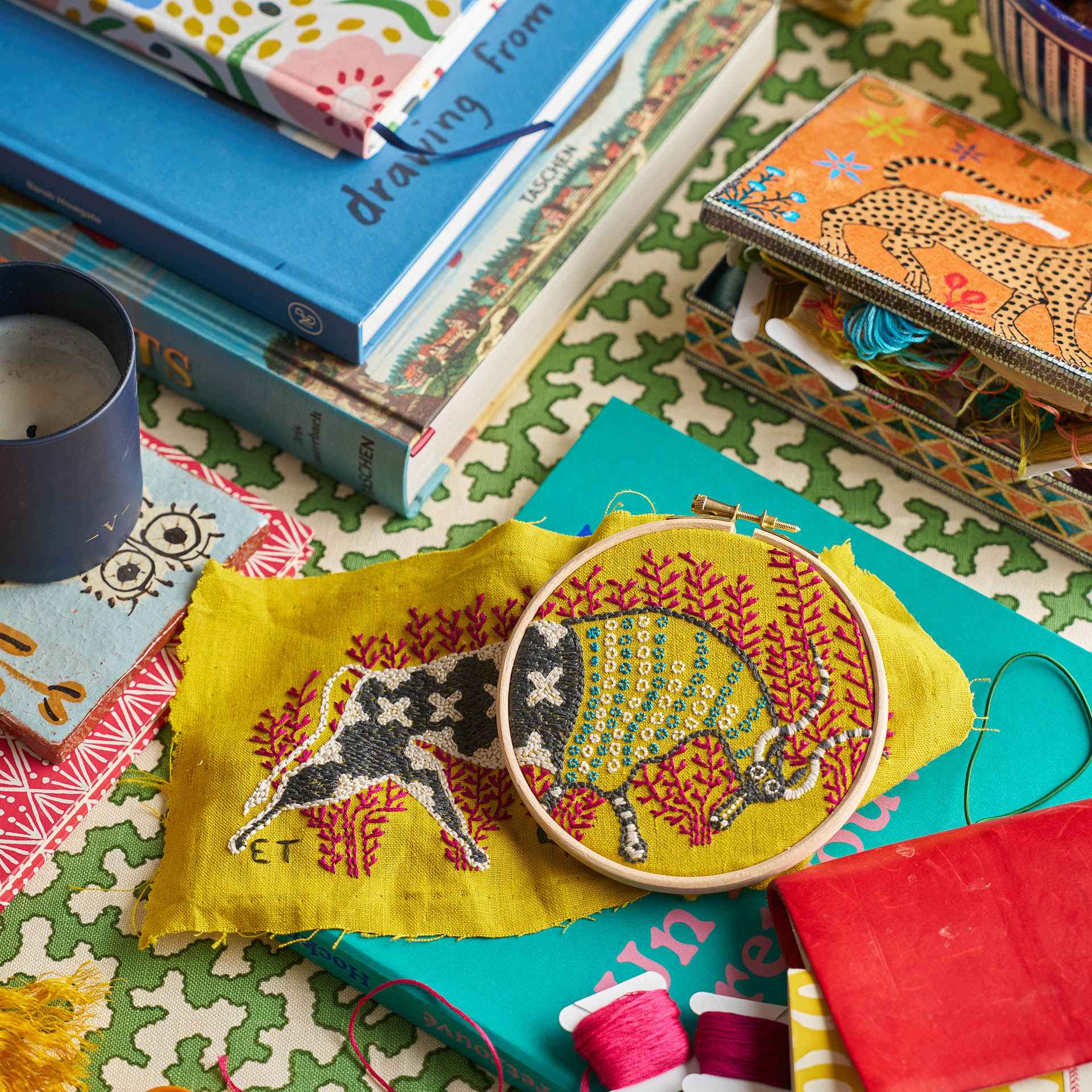
This brings us to the next step: understanding what an embroidery project can give you, compared to what you’ll get from a needlepoint kit. With embroidery and needlepoint, you don’t need lots of materials, you don’t need lots of time, you don’t need lots of space, and importantly, you don’t need lots of skill. From day one, you can start making something to be proud of.
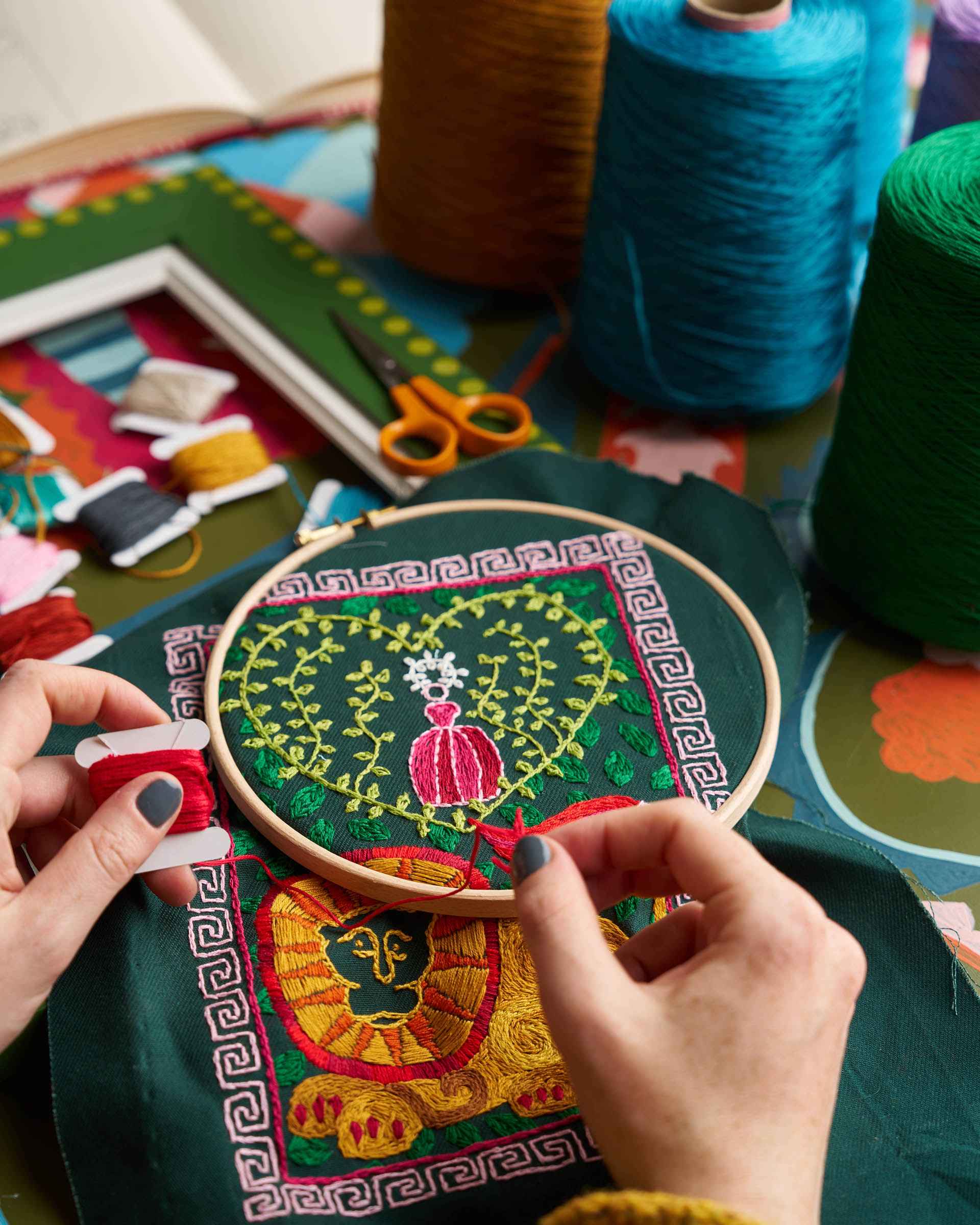
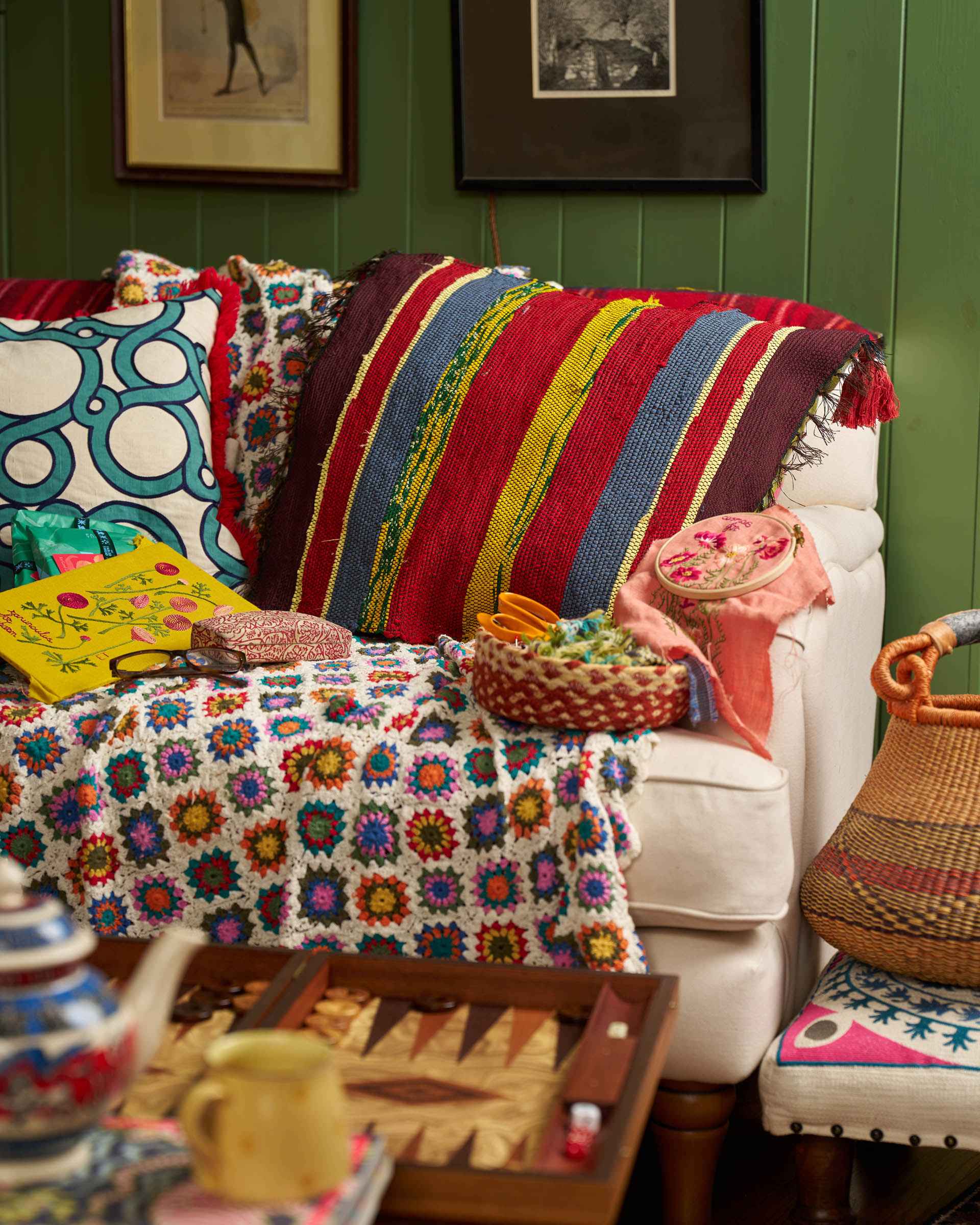
The main difference between embroidery and needlepoint comes down to the type of fabric you stitch on. Needlepoint is done on open-weave canvas while embroidery is stitched on fabrics like cotton or linen, while needlepoint is done on a stiffer, grid-like canvas. Both crafts can use different stitches, but embroidery usually offers more variety - and part of the fun of learning new techniques!
When it comes to choosing which craft you'd prefer, consider the following:
- Pace and Focus: Embroidery offers lots of stitch variety but requires more concentration. It’s great for keeping your mind engaged, while needlepoint’s repetitive nature helps you switch off and relax. Both provide calming, meditative time to yourself.
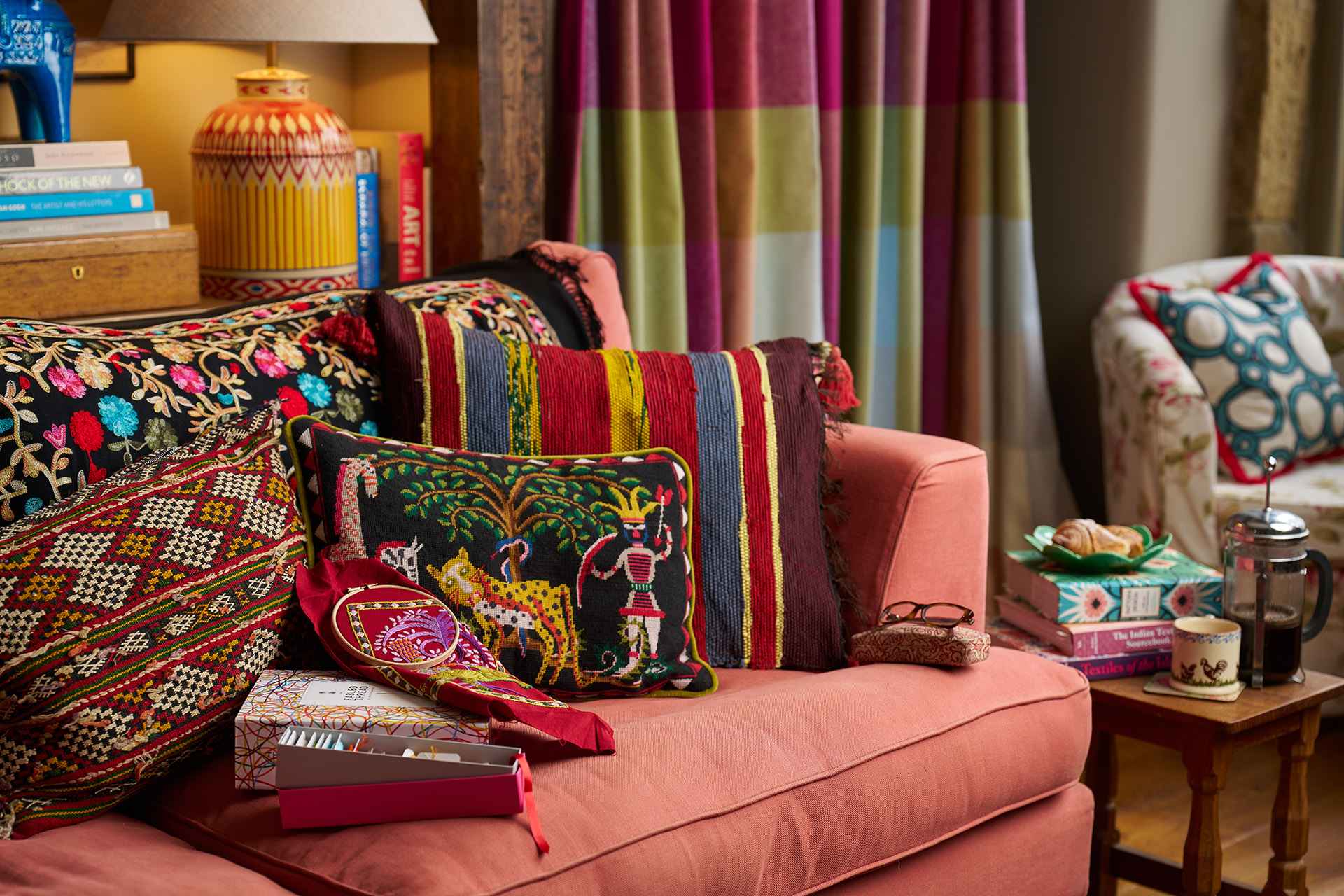
- Function or Art?: Embroidery is perfect for creating delicate, decorative pieces to display, while needlepoint’s sturdy stitches are ideal for making functional items like cushions and Christmas stockings.
- Time Commitment: Embroidery is often quicker, with some kits taking just a few hours to complete. Needlepoint, however, is a slower craft, often taking months to finish. If you're looking for a quick creative project, embroidery is a great choice, but if you prefer a slower, more mindful process, needlepoint could be just right.
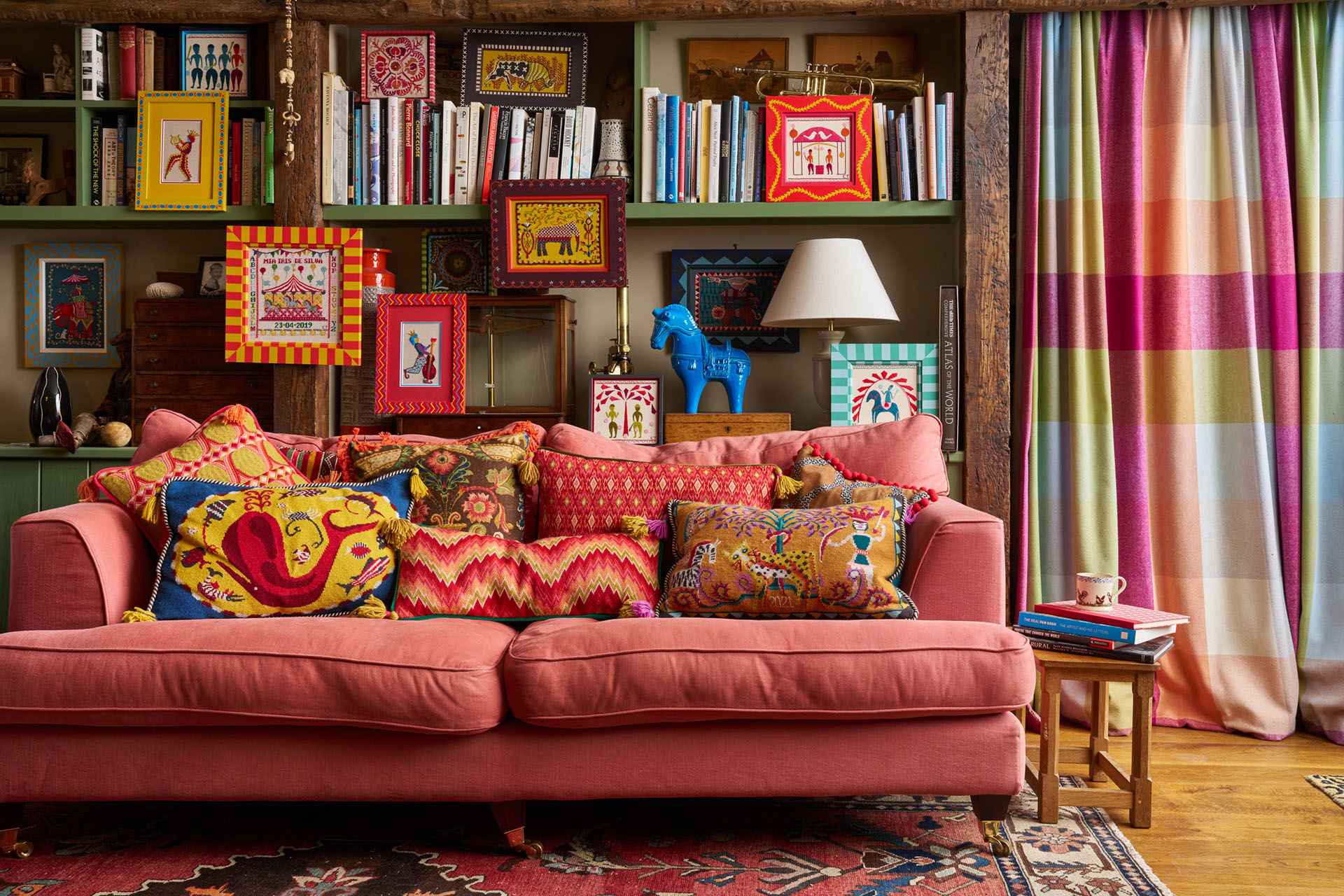
The Benefits to Living a More Analogue Life
Living more analogue isn't about rejecting technology entirely, it's about finding a healthier balance, regaining focus, presence and depth, and rediscovering the quiet pleasure of doing something purely for the joy of doing it.
Some of the benefits included in our Making Life More Analogue article:
- A calmer, less distracted mind – Life feels noticeably calmer when you can focus on one thing at a time without constant interruptions.
- Regaining focus and longer attention spans – Rediscovering the pleasure of uninterrupted thinking time, deep focus and becoming completely absorbed in what you're doing.
- Finding pleasure in slower things – Learning to enjoy the process rather than rushing towards the end result. Whether that's listening to an album from start to finish, reading a book or sitting down with an embroidery or needlepoint project.
- Rediscovering your own creative instincts – Stepping away from algorithms and the constant stream of online content allows your personal taste to develop, rather than being influenced by what you're repeatedly shown.
- Removing the pressure to perform – Enjoying hobbies simply for the sake of doing them, without an audience, without an expectation attached and without feeling the need to document or share everything.
- Learning to be patient again – Slower, hands-on activities encourage patience, anticipation and the pleasure of working towards something over time.
- The satisfaction of making something with your hands – Working with physical materials gives us something tangible to enjoy and a sense of progression as we learn new skills.