What Makes a Good Collaboration?
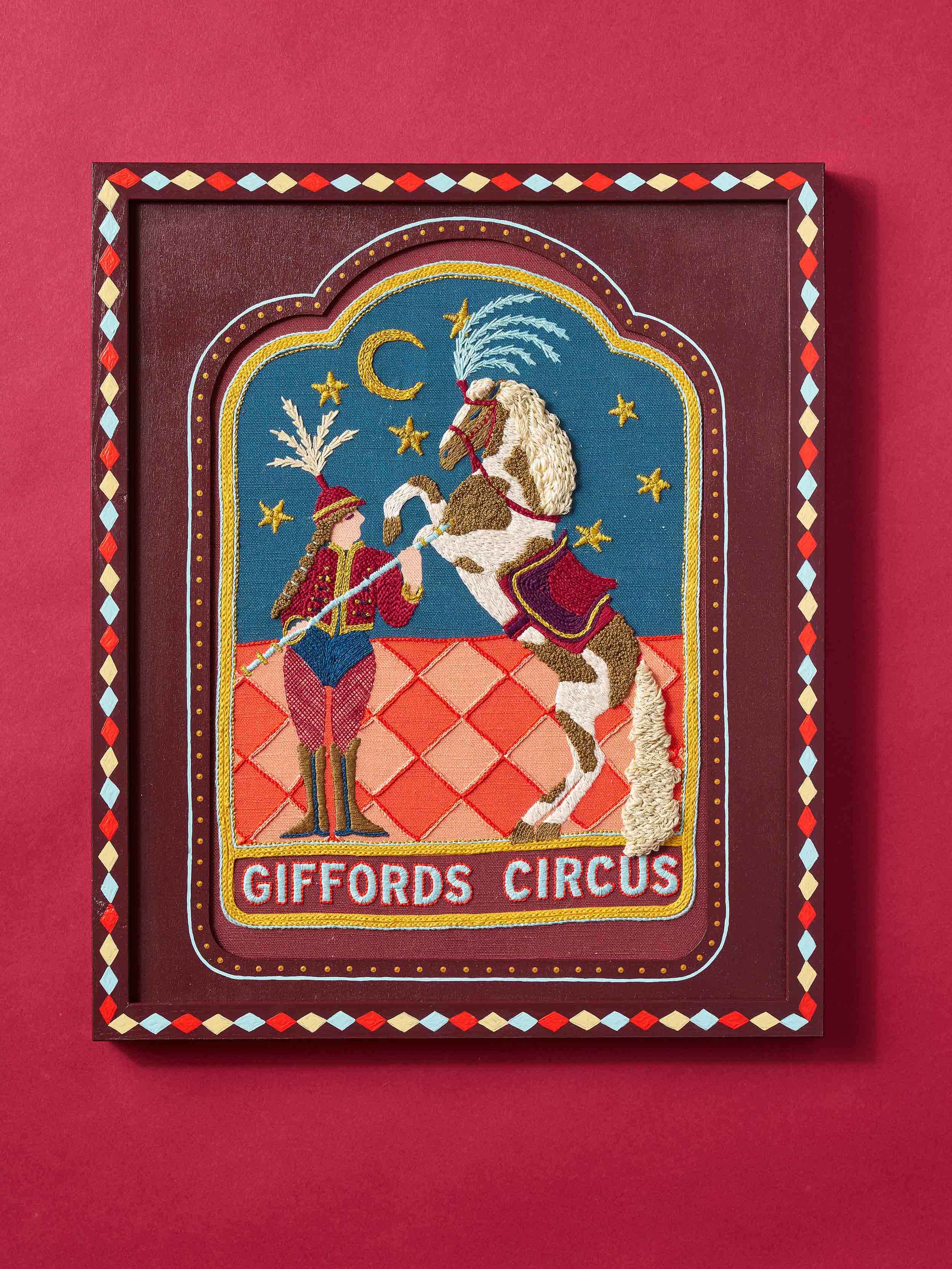
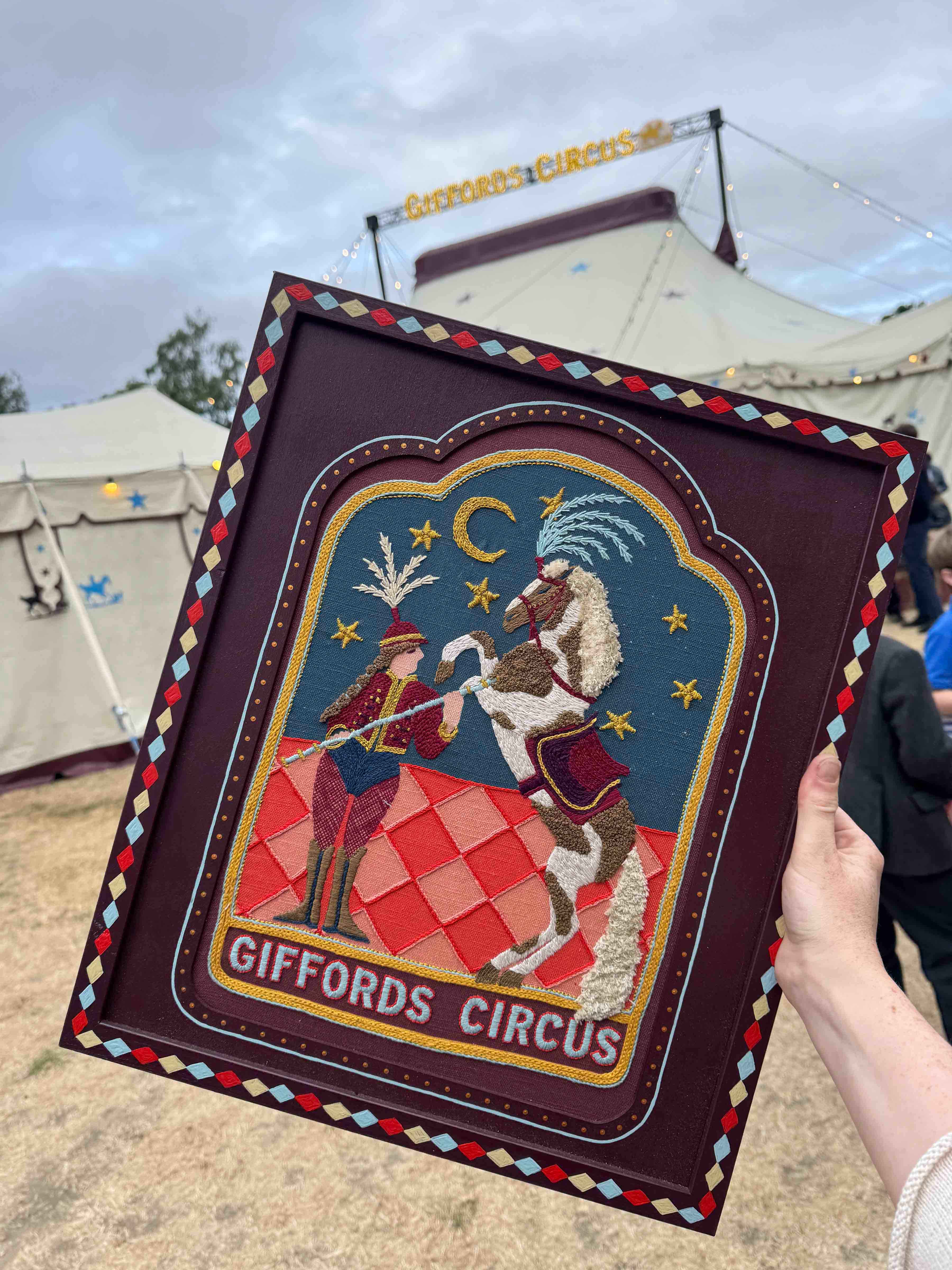
On Friday, we launched our latest collaboration with Giffords Circus. Over the past few years, we have done a handful of collaborations. As a designer, I am never short of ideas for new products, ranges, or designs. In fact, if anything, the problem is usually the opposite. I have far more ideas than we have time to make. There are always more designs I want to draw, more kits I want to create and more projects I would love to explore. So when a collaboration comes along, it has to offer something that we cannot achieve by ourselves. Otherwise, there is very little point.
Collaborations can be wonderful, but they can also be surprisingly complicated. So I thought I would share a little behind the scenes of what it takes to collaborate, what makes a good one, which ones we have done in the past and what we are focused on next.
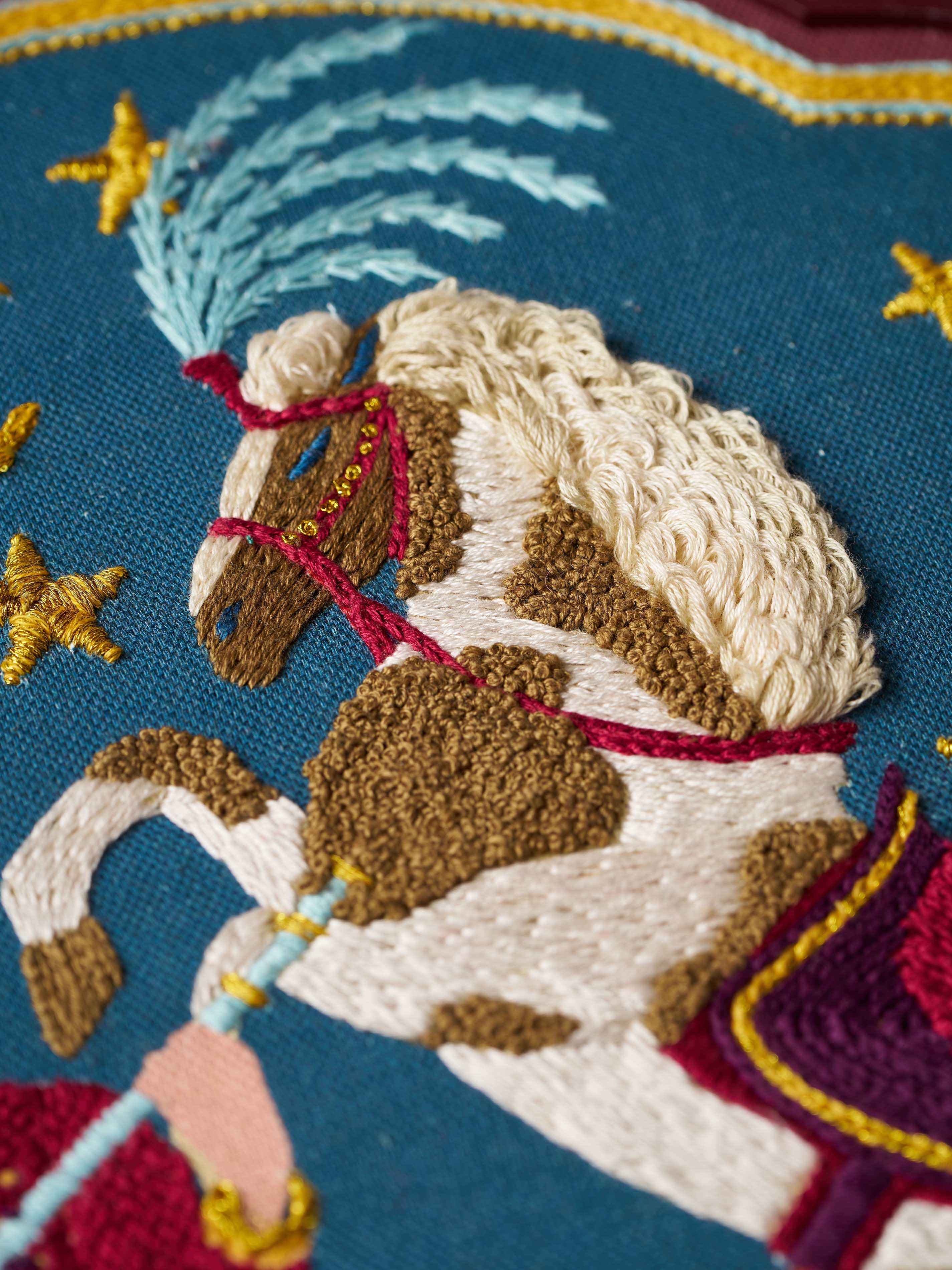
The best collaborations are the ones where we create a product each party involved couldn’t have alone, where we give our audiences something they didn’t know they needed or where personally I feel I have contributed in a way I couldn’t have done otherwise. It’s not as simple as just taking one company's aesthetic and putting it in kit form, it goes much deeper. And you only get to a good outcome when both parties trust one another. They work when both sides are clear about what they bring to the table and when they respect the expertise of the other person.
What that generally means in practice for us is that we trust that they know what they are doing when it comes to production support, marketing or audience alignment, and they trust me when it comes to designing. I say that because, in all of our collaborations to date, I have been designing for the other party. This sounds straightforward in theory, but in practice it can be quite a different matter.
One of the most useful lessons I learnt about collaboration actually came from a project that never launched. A few years ago I spent months working on a project that ultimately fell apart. Looking back, I think both of us entered it with good intentions, but neither side was quite clear enough about what we needed from each other. I was working outside my comfort zone and probably not trusting my own judgement enough or presenting my concepts with enough confidence, whilst the organisation I was working with had approached me because they wanted something different but became increasingly uncomfortable with just how different I was going from their previous years.
If you are interested, I wrote a much longer article about the experience at the time, which Studio members can still read here. It was a really frustrating experience, mainly because I would have loved to see my ideas reach fruition, but ultimately, I had to walk away from the project because I could see that we would never get to an outcome we were both comfortable with. It taught me something that the value in a collaboration comes from the thing that only you can bring. If you spend all your time trying to do each other's jobs, the whole thing starts to unravel.
Like everything in life, experience is the thing that comes after you have made mistakes. I am now much clearer on where the value sits in a collaboration, and I have introduced much firmer boundaries around how I work. I refuse to launch anything I am not 100% happy with and I also refuse to work in a way that I do not find enjoyable. I did enough of that when I was in banking. I did not start my own business to have another person make me do things I do not want to do. So when we launch a collaboration now, it launches because it has been a positive experience and everybody involved is happy with the outcome.
We are lucky enough now to get approached about a lot of collaborations, so let me tell you the reasons we say yes to a collaboration:
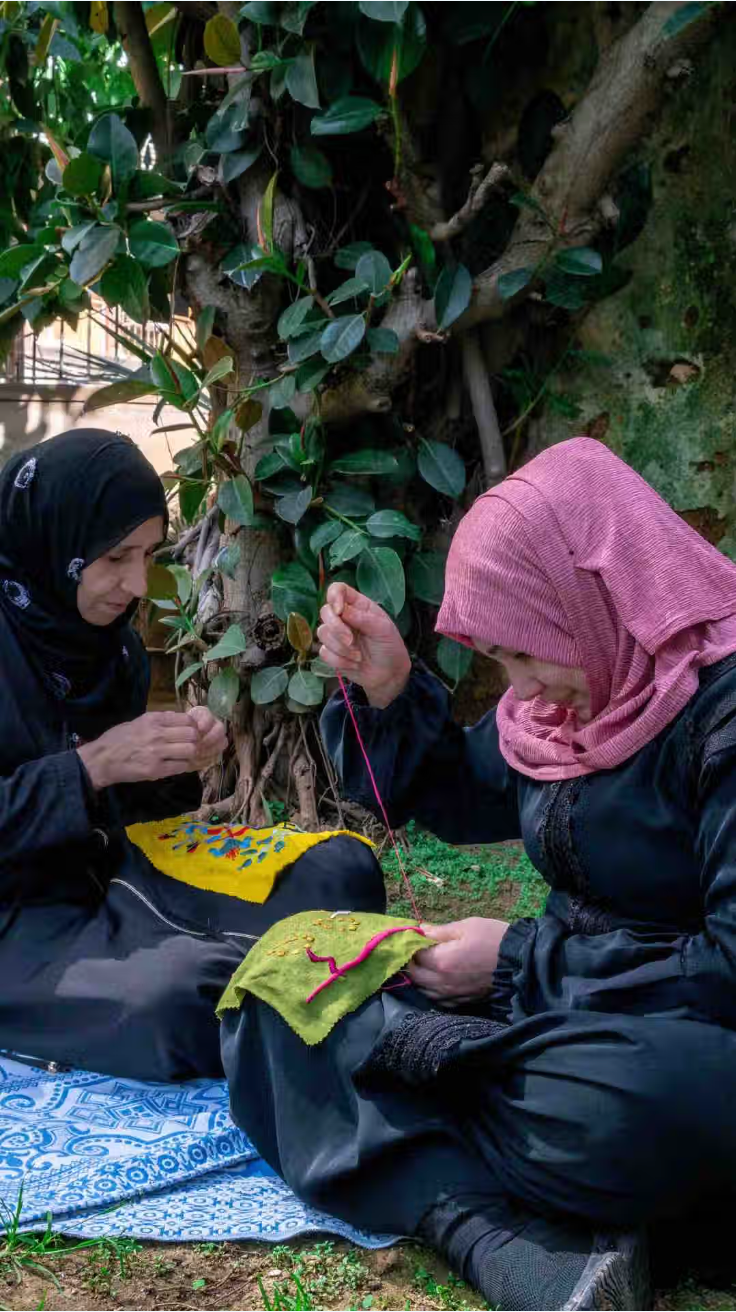
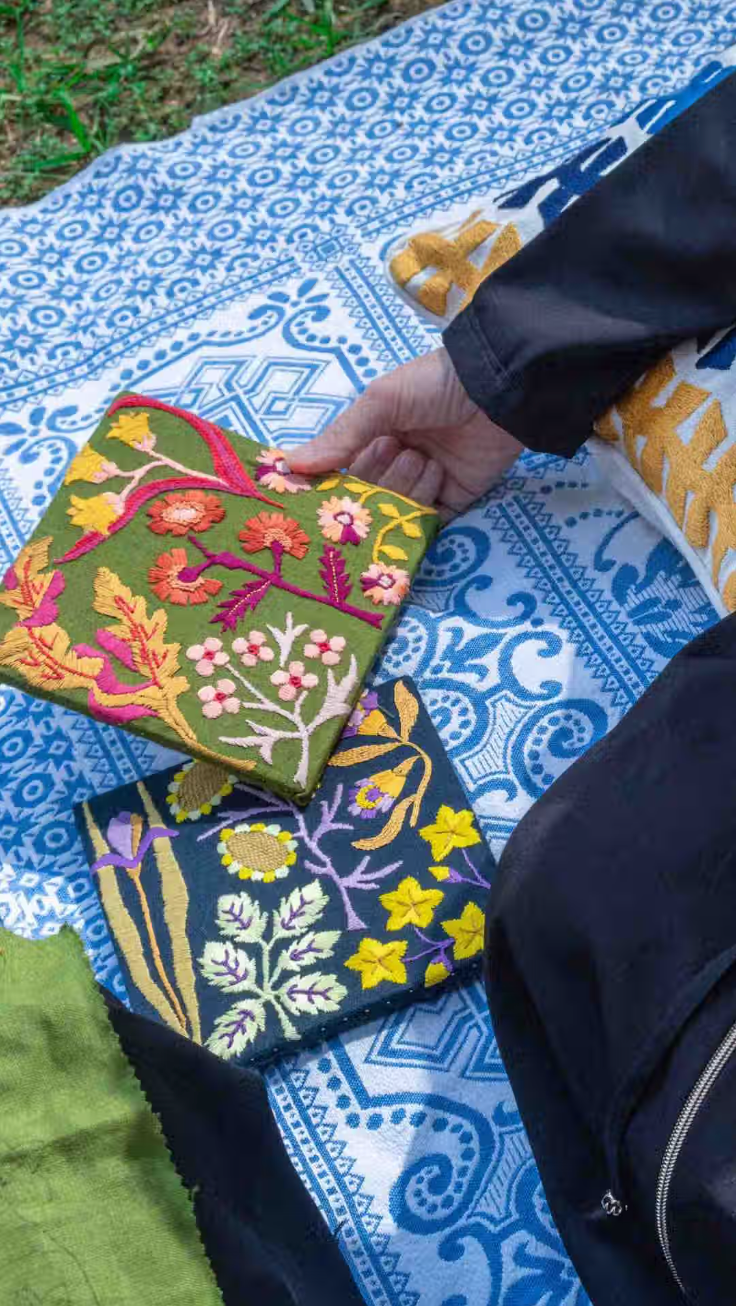
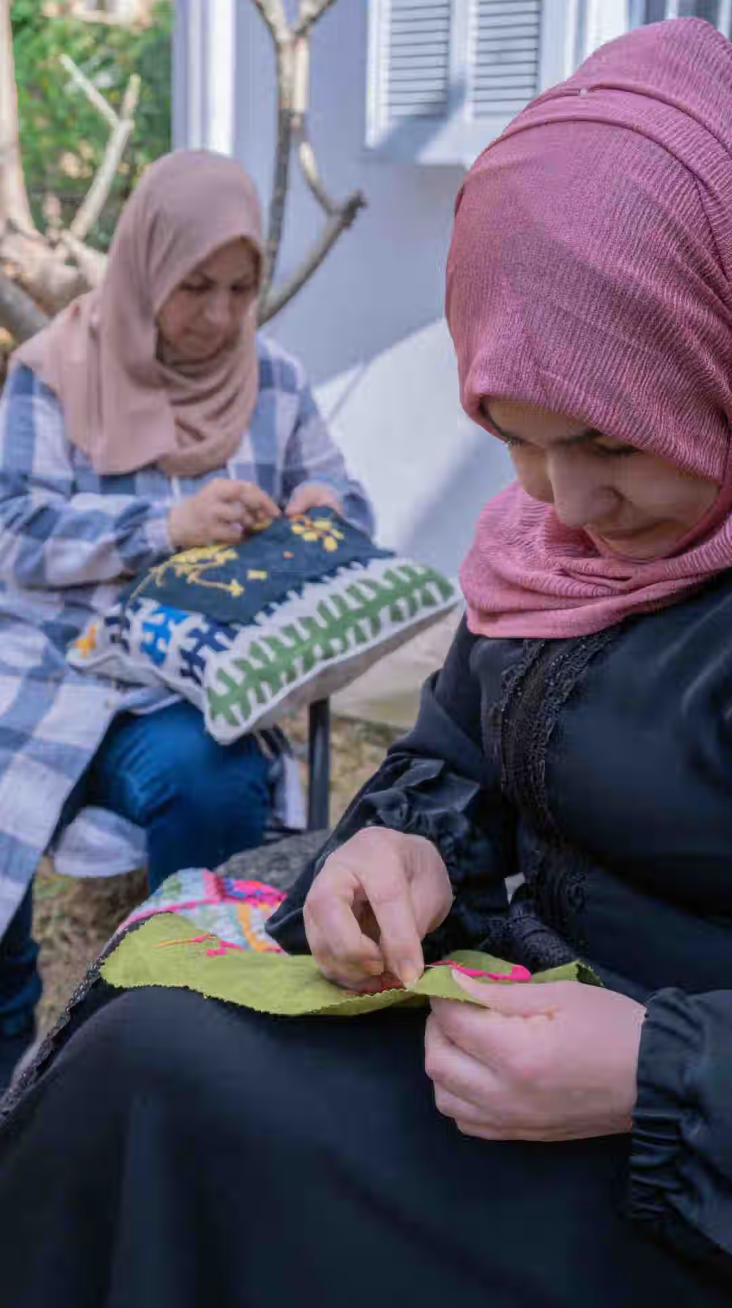
Our first ever collaboration was with the charity Oshana. Oshana run sewing groups for Syrian refugees based in Lebanon. Itab and Tabitha, who run Oshana, are dedicated to enabling women and mothers whose lives have been torn apart by conflict to find ways to rebuild their lives and find dignified income.
Over the course of a few years, I have worked with Oshana in a number of different ways to help them raise money for the women they support. In fact, the first time we collaborated, I had only been running the business for a year, so both of us were figuring things out. To date we have done four different projects together, ranging from them stitching finished pieces of our designs which we framed and sold with all the profit going to Oshana (to date still the only finished pieces of embroidery we have ever sold), to a Limited Edition kit based on the Arabic tale Kalila and Dimna, to exhibiting together at Hay Festival, to working with their stitchers to create designs in a three way collaboration with Morris and Co.
The collaboration with Oshana works because I know and trust the women of Oshana with my designs. I know they will stitch the pieces beautifully and enjoy being part of the project. More importantly, though, Oshana embodies something that sits right at the heart of why I started this business in the first place.
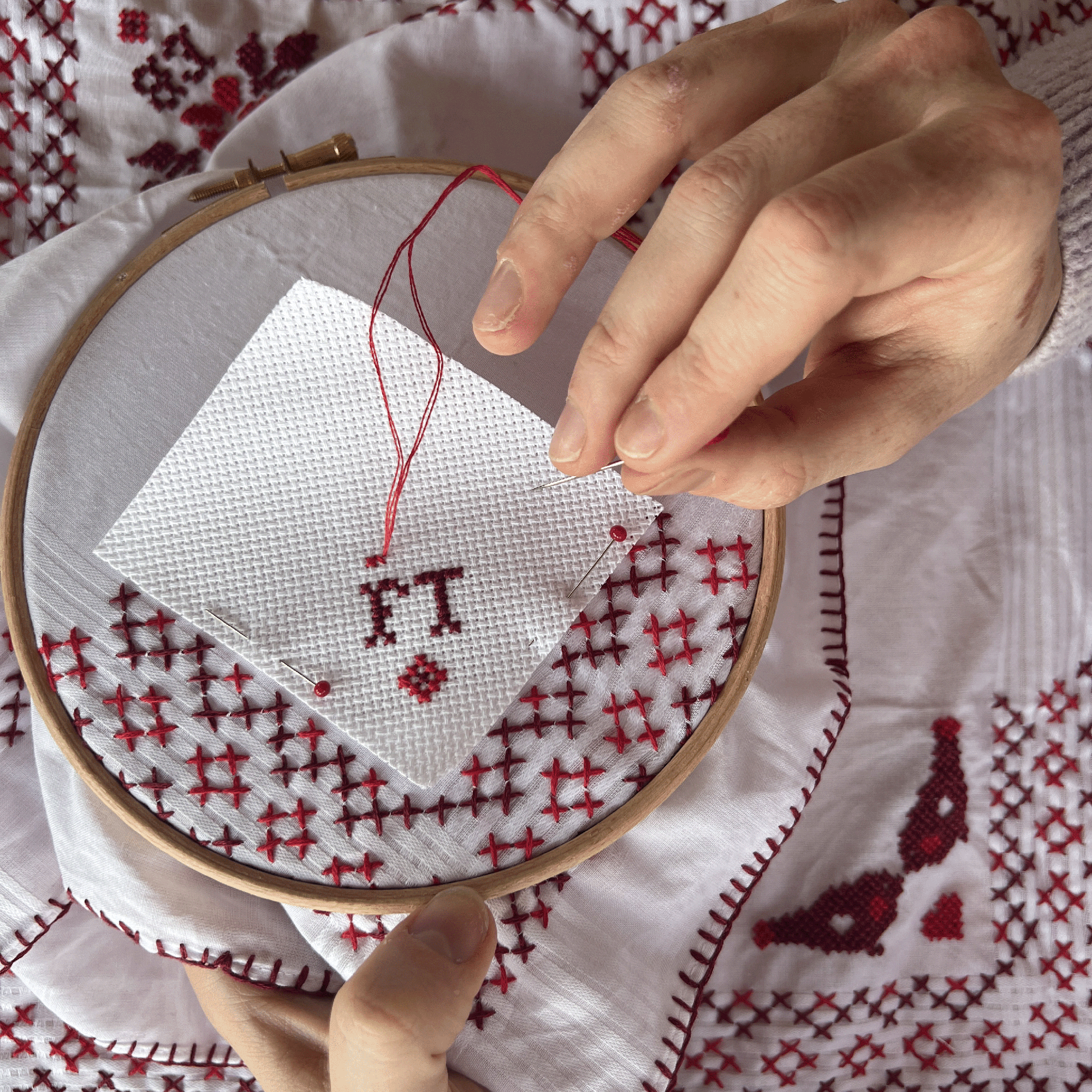
I often say that I did not start The Fabled Thread because I wanted to sell embroidery kits. I started it because I wanted to get people sewing. That might sound like a subtle distinction, but it feels like an important one. It's not about just selling you more guff, it’s about teaching you the skill that changed my life. It brought me back to creativity at a point where I felt disconnected from it. It taught me patience. It gave me a sense of purpose and enjoyment that had been missing for a long time. By working with Oshana, who are a real world example of the impact of embroidery, it allows us to really prove that ethos to people who might be sceptical about what a little bit of stitching can do. At the same time, we have been able to bring a little more visibility to the work Oshana are doing and help raise money to support it.
The second reason to collaborate is to reach people you would otherwise struggle to find.
One of the biggest misconceptions about collaborations is that they are about products. Most of the time, they are actually about audiences. Building an audience takes years. It takes consistency, trust and a huge amount of work. A good collaboration allows you to introduce yourself to people who are already likely to appreciate what you do.
That is exactly why our Schumacher collaboration has been the most successful collaboration we have worked on commercially.
We have an aesthetic and they have an audience who loves it. That audience is primarily in the US – a market where we are only just scraping the surface of potential stitchers. By creating products for them, it gives us access to an audience across the pond we wouldn’t know how to get to otherwise. For example, after our first collaboration launched we were featured in numerous publications across America, even making it into The Wall Street Journal Christmas Gift Guide. We simply would not have achieved that without them.
In addition, what made that collaboration particularly enjoyable was how easy it felt. We both understood what the other person was bringing to the project. Schumacher understands their audience exceptionally well and there were suggestions they made during the design process that genuinely strengthened the final products. The feedback never felt restrictive - it felt additive. There was a shared respect for each other's expertise throughout the entire process and I think the work ended up better because of it.
Schumacher X The Fabled Thread


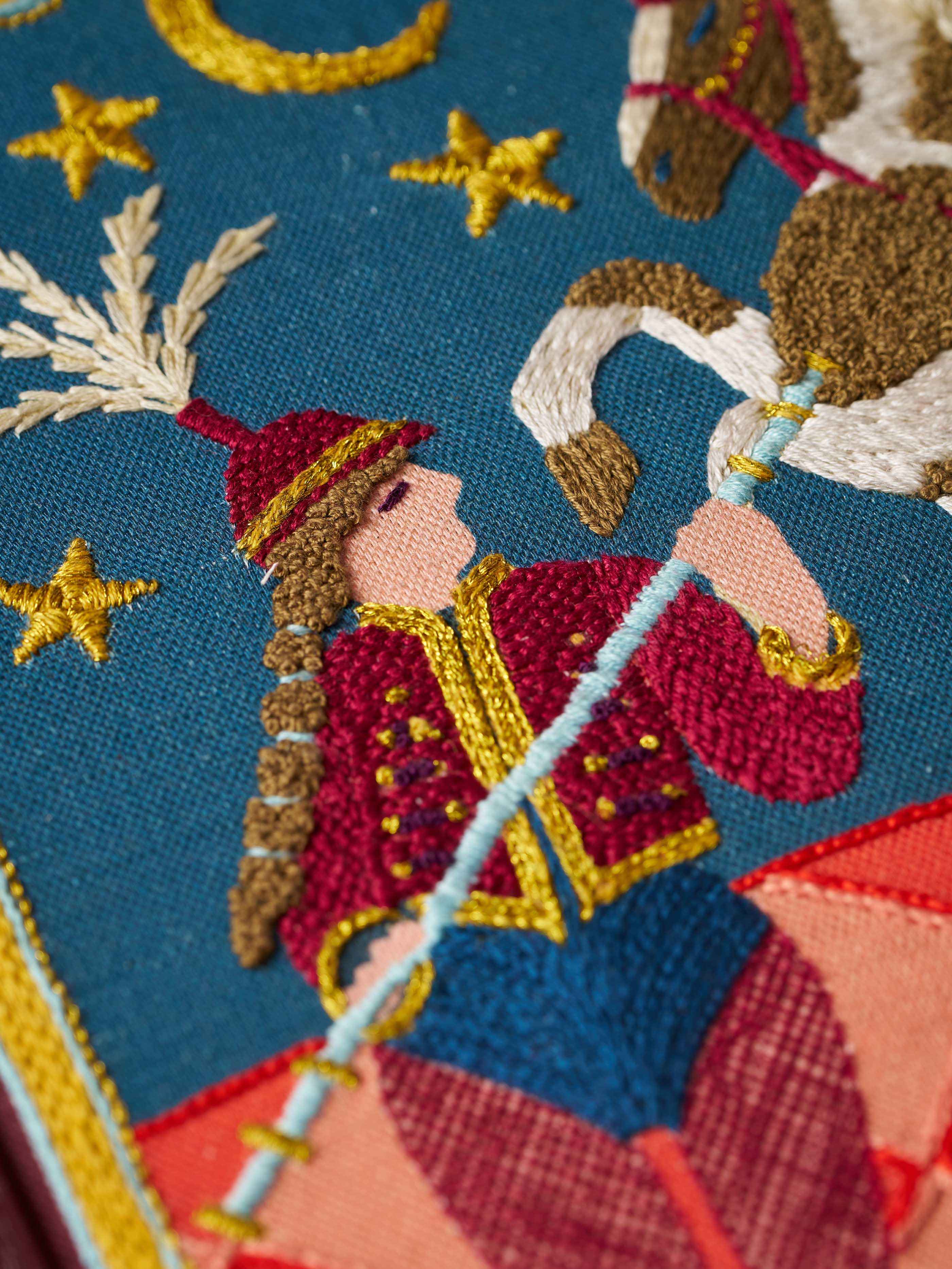
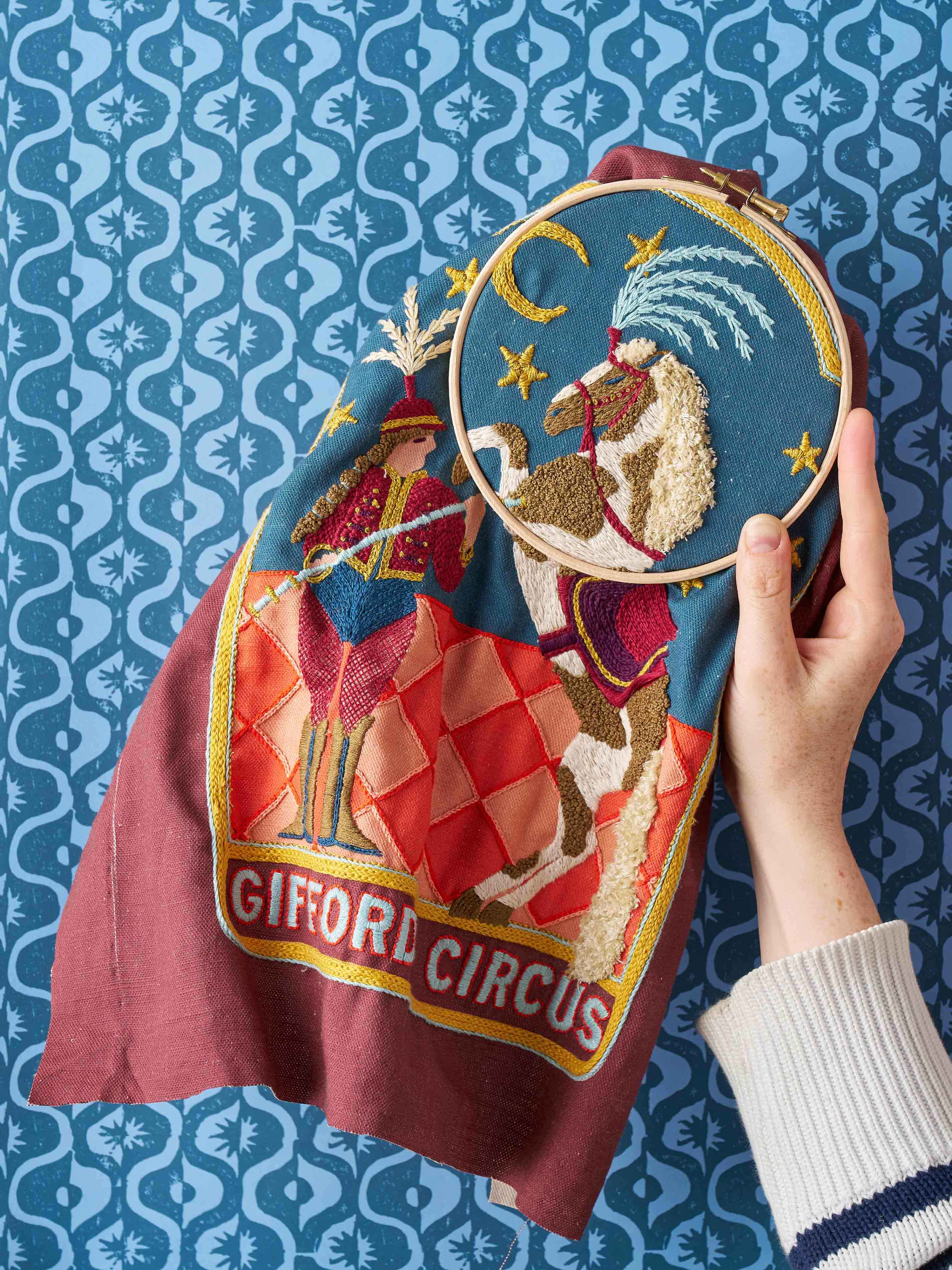
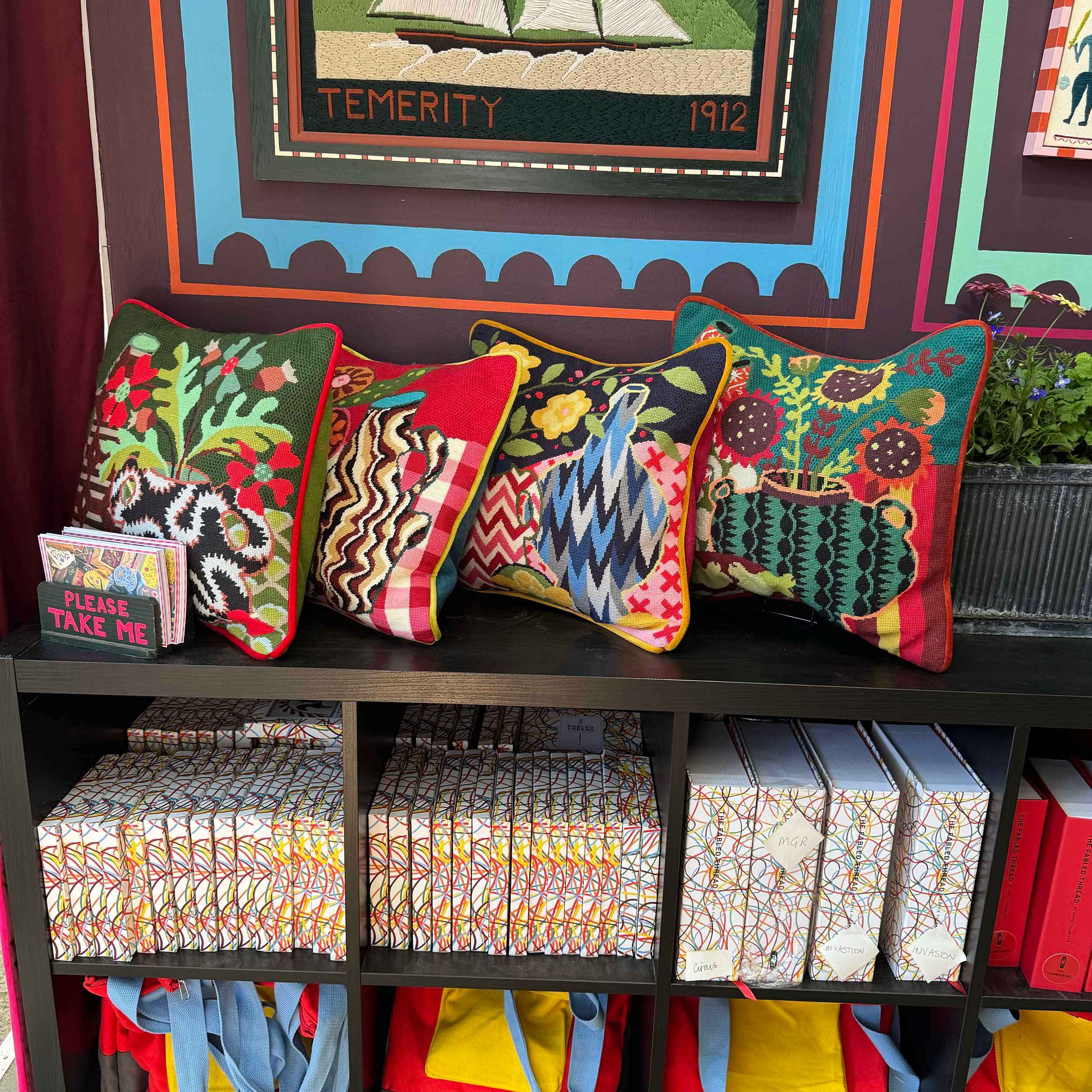
The same principle applies to Giffords Circus, albeit in a very different way. On paper, a circus and a needlepoint business might seem like an unusual pairing. In reality, I think there is a huge amount of overlap in the kinds of people who enjoy what we both do. If you love creativity, storytelling, craftsmanship, eccentricity and beautifully made things, there is a very good chance you would enjoy both.
The collaboration allows us to introduce ourselves to people who may never have come across The Fabled Thread before, whilst also giving Giffords visitors something rather special to take home from the experience. From the outside, the partnership simply makes sense – I don’t think anyone who saw the products we had launched over the last few weeks would be questioning why we had done it. These are the sorts of collaborations that have the potential to become long term relationships because the reasons for working together are unlikely to disappear six months or six years down the line.
The final type of collaboration we have done so far is the kind that helps build credibility.
As a small and young business, it is sometimes useful to stand on the shoulders of giants and borrow a little of their credibility. If we have the opportunity to work with someone much more established and much better known than us, it can help people discover what we do and take us a little more seriously. Provided that the partner is aligned with us in other respects, whether that is audience overlap or shared values, it can be a great opportunity. Two good examples are Emma Bridgewater and Morris and Co.
In both cases, the collaborations were relatively small in terms of the number of products involved and were very much about marketing rather than long term commercial opportunities.
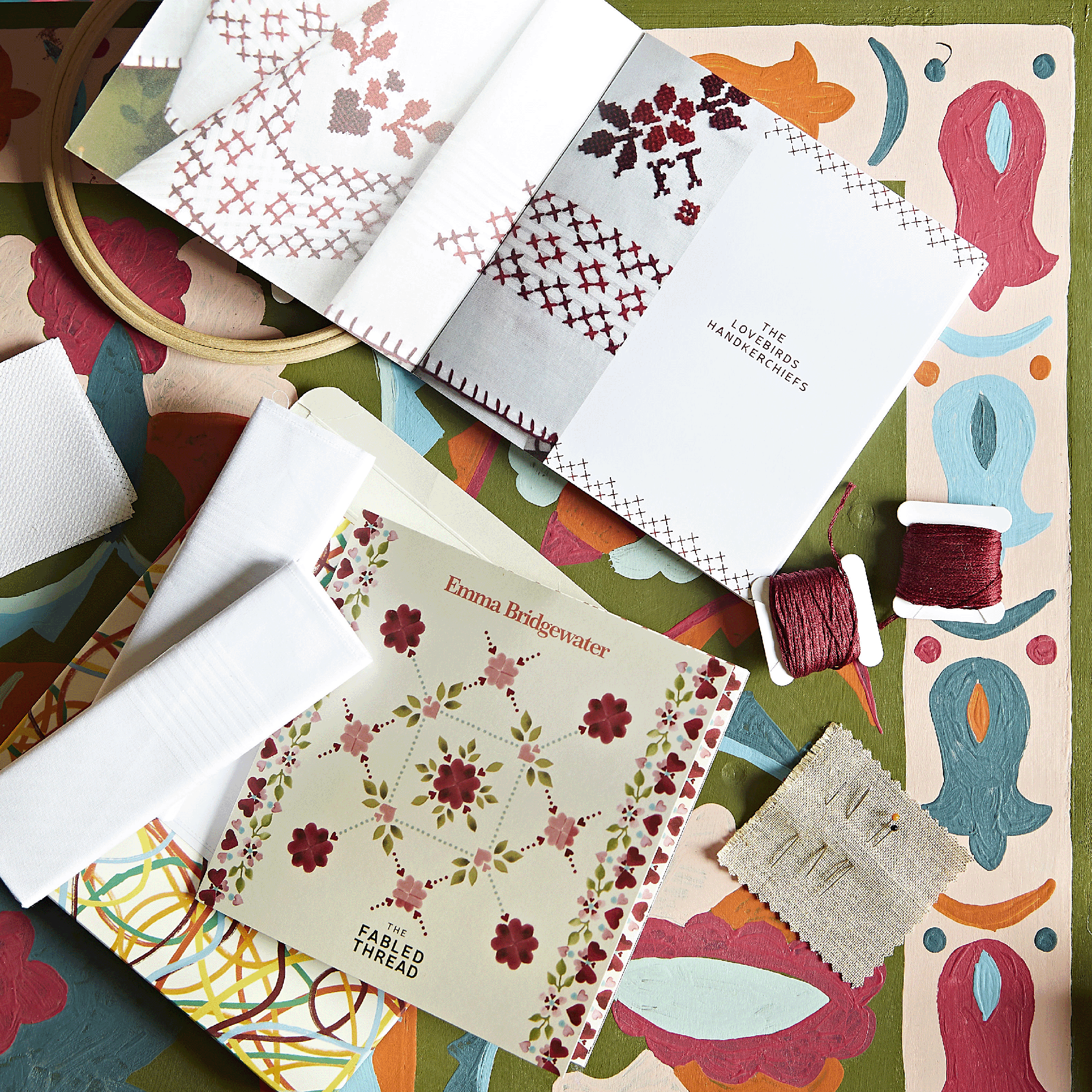
For Emma Bridgewater, we created a Limited Edition stitchable napkin kit to celebrate the launch of a new folk art inspired range of crockery, which sold out within a day. For Morris and Co, we designed thirty unique embroidery designs, worked with the artisans of Oshana to stitch them and then framed them to be gifted by Morris and Co as part of the launch of a new collection of fabrics from William Morris's archive.
In both cases they were one off projects. They made sense for us at that point in time and gave us a credibility boost. We provided the other party with something they could not easily create themselves and, in return, benefited from being associated with organisations that are far more established than we are.
However, these are not usually the sort of collaborations that become long term partnerships. The value is largely achieved through the launch itself. They are wonderful opportunities, but they tend to be short, sharp bursts of activity rather than relationships that continue for years.
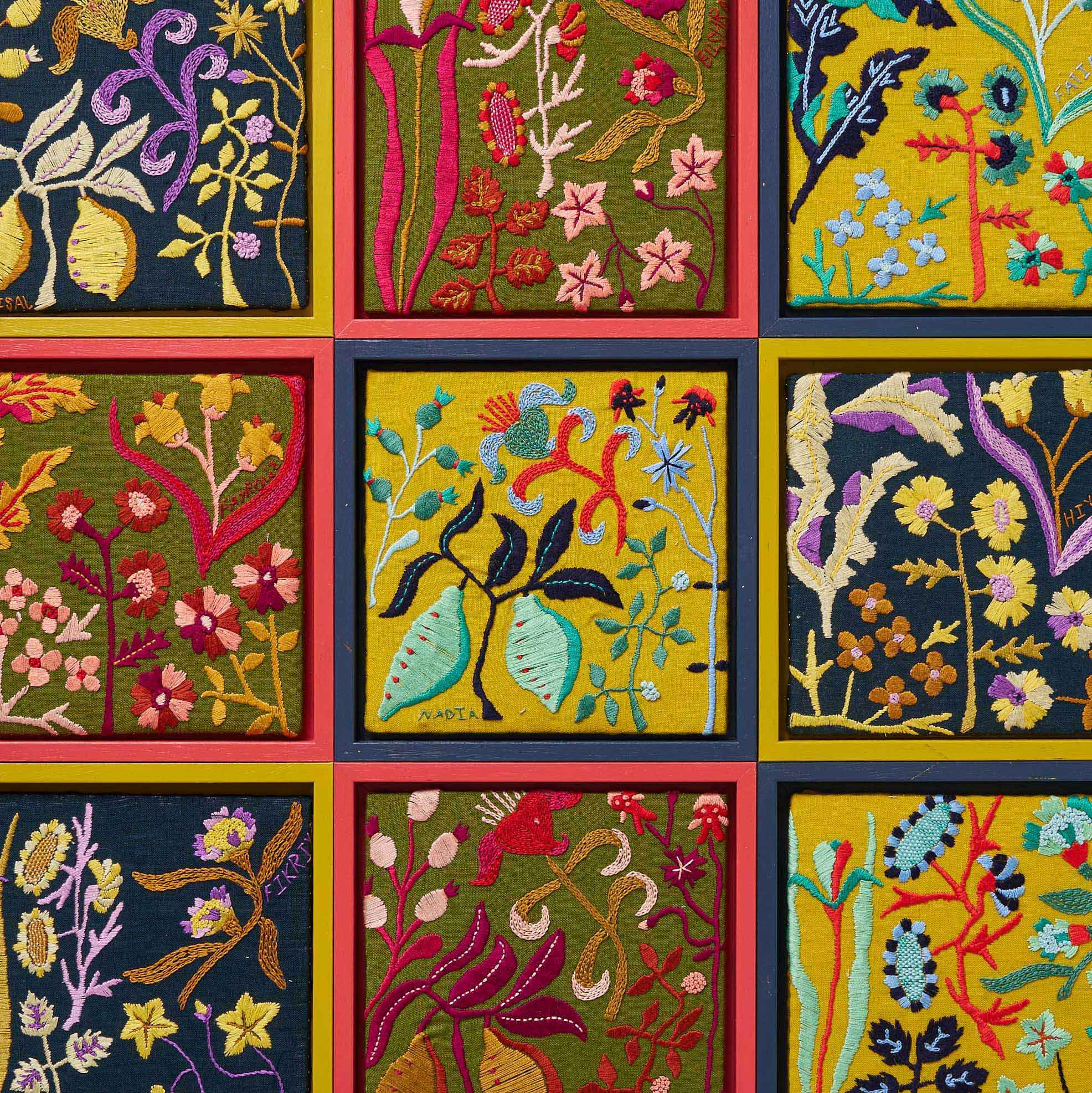
In all of our collaborations to date, I have been the product designer and the other party has been the facilitator. That means that, regardless of who we are collaborating with, the aesthetic being added to the range has still been very much my own. However, we have two new collaborations in the works at the moment, which are completely different. For the first time, I am getting to work with other designers and facilitate their vision rather than create my own.
Whilst I am not short of ideas for designs we could create, my ideas will inevitably head down similar aesthetic routes. I do have a style and it is quite difficult to escape it. That is not a bad thing, but there are so many other creatives with their own distinct visual language whose work would translate beautifully into kits. These collaborations are about bringing those different creative voices to our customers whilst celebrating the artists who are known for them.
Not many people get the opportunity to work on both sides of a collaboration, as the designer in some projects and the facilitator in others. I think it has given me a different perspective because I can draw on my own experiences of how people have worked with me and what I have enjoyed, or perhaps more importantly, what I have not enjoyed. What has surprised me most is how much I enjoy being on the other side of the relationship.
Designing can be a pretty stressful and insecure process – you are putting out your personal perspectives of what looks good and hoping the person on the other side says, “yes that’s it!”. Facilitating somebody else's vision is completely different. There is far less pressure. I get to watch another person's creative process unfold, think about how we can translate it into a kit and help bring something into existence that otherwise would not have existed.
Perhaps because I know what it feels like when somebody interferes too heavily in a creative process, I am very conscious that my role is not to redesign their work. My job is to help make it possible whilst retaining everything that makes it uniquely theirs.
It has been one of the most enjoyable parts of the business this year and I cannot wait to show you what we have been working on.
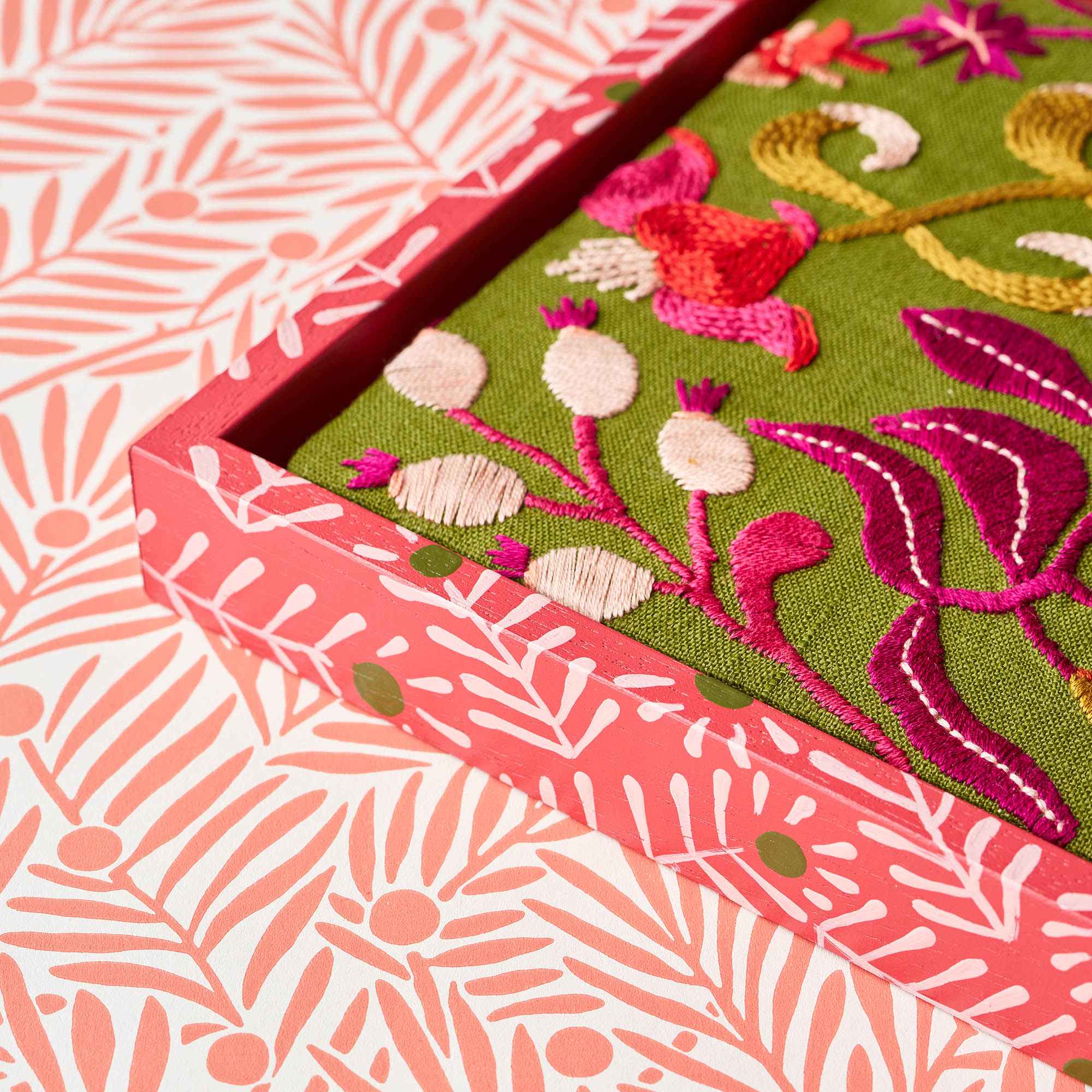
Collaborations are a wonderful way of building a brand, but they are also incredibly time intensive. More so than simply working on your own, because there are more conversations, more iterations and more people involved in every decision. You also have to work in a more organised way. No leaving photography until the day before when you are working with a partner who has a much more structured marketing schedule than we do.
We have capacity for a couple of collaborations each year. This year we will have three altogether and that is definitely the maximum I can manage whilst still having enough time to focus on my own designs and our expanding product ranges.
With only a handful of collaboration opportunities available each year, we have to choose carefully. The design concept has to be exciting enough, or the project has to have enough of a personal connection for me, or there has to be a significant enough commercial opportunity. It has to have enough going for it that it justifies the opportunity cost of the other projects we could be working on instead.
That means that whilst we get approached about a lot of lovely projects, the reality is that most of them are not quite compelling enough. Not because they are bad ideas, but because there are only so many hours in the day and every collaboration means saying no to something else.
The collaborations we do choose tend to fall into one of the categories above. They help us support a cause we care about, reach a new audience, build credibility or bring a new creative voice into the business. When they do that well, they can be some of the most enjoyable and rewarding projects we work on!