Honest Answers
A Small Celebration of Small Businesses
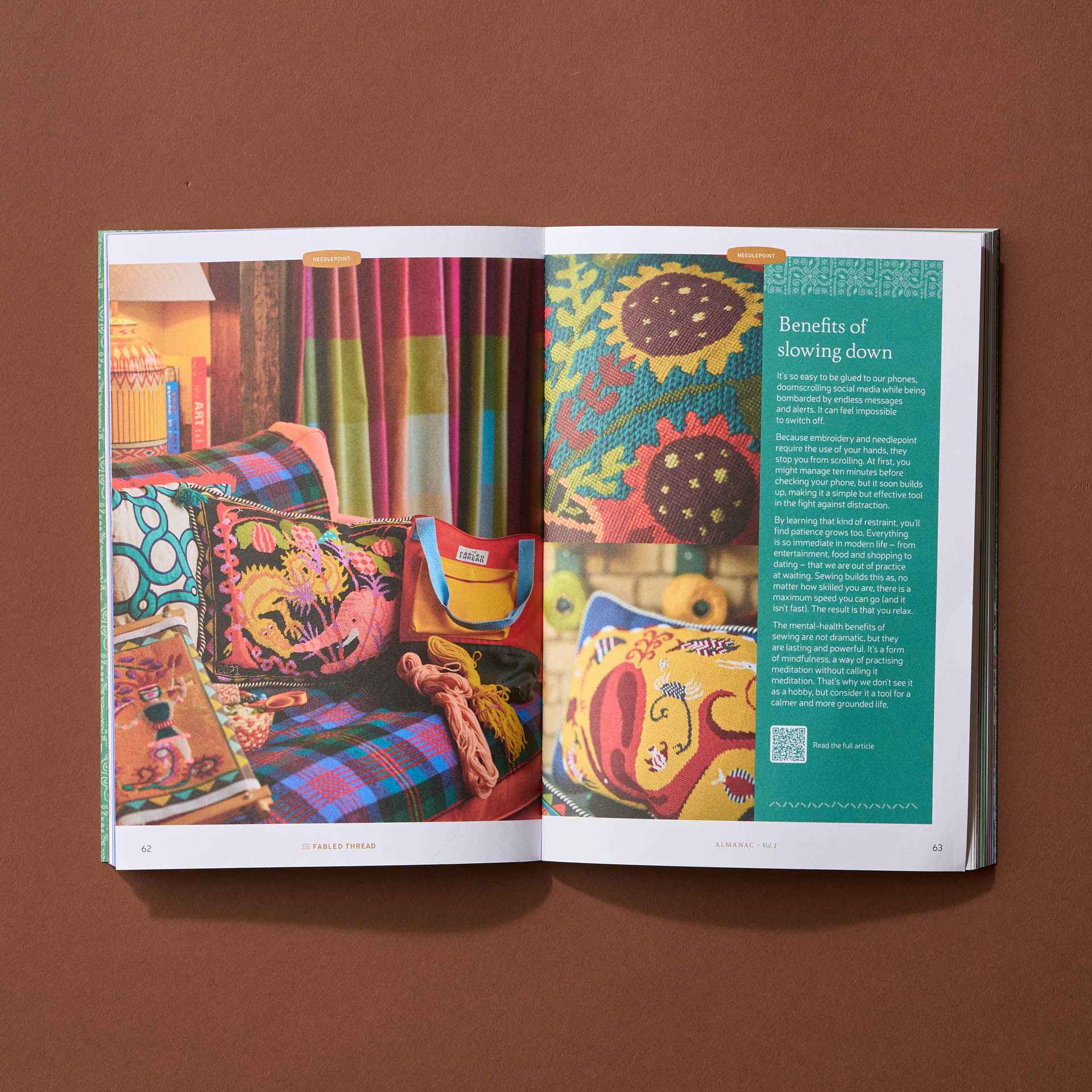
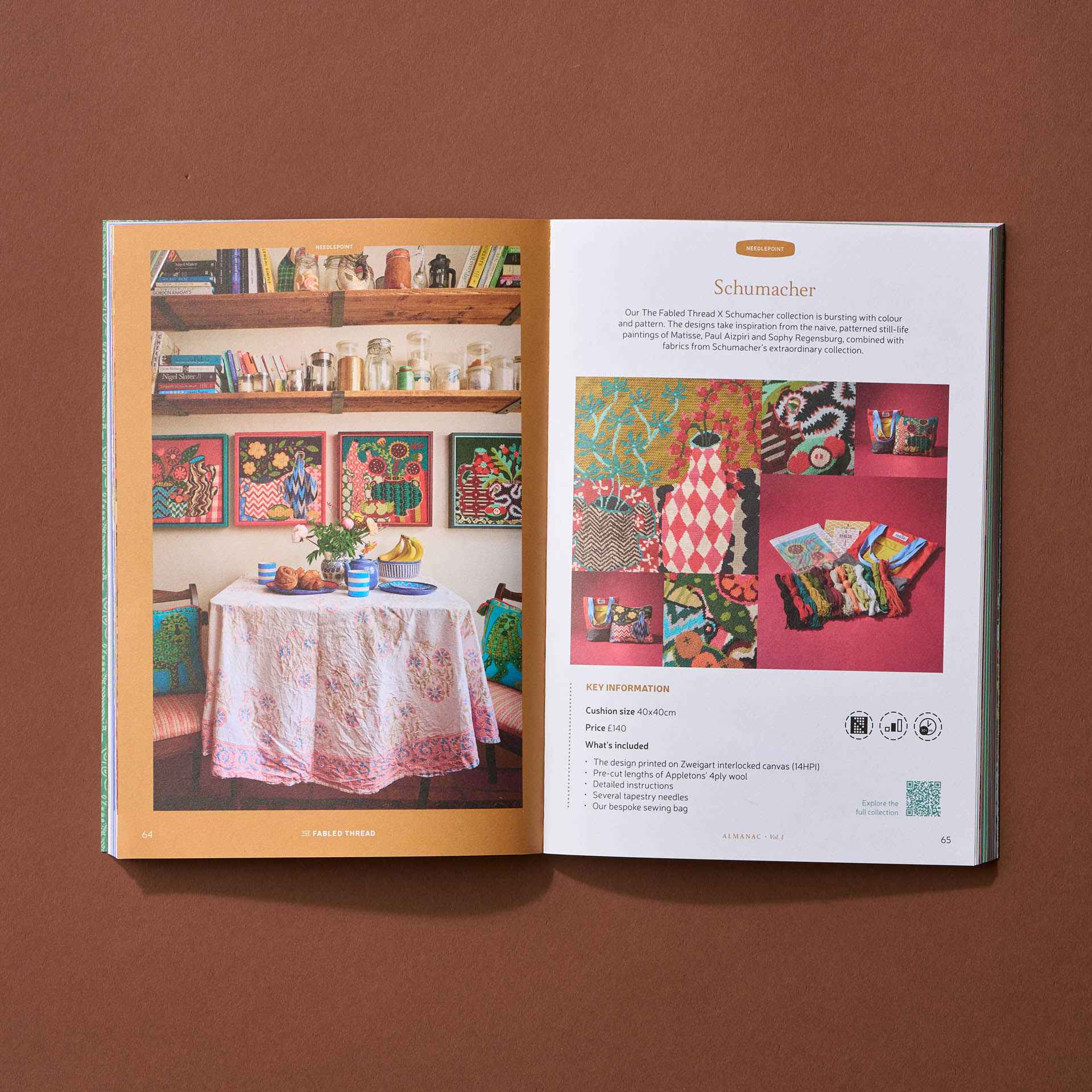
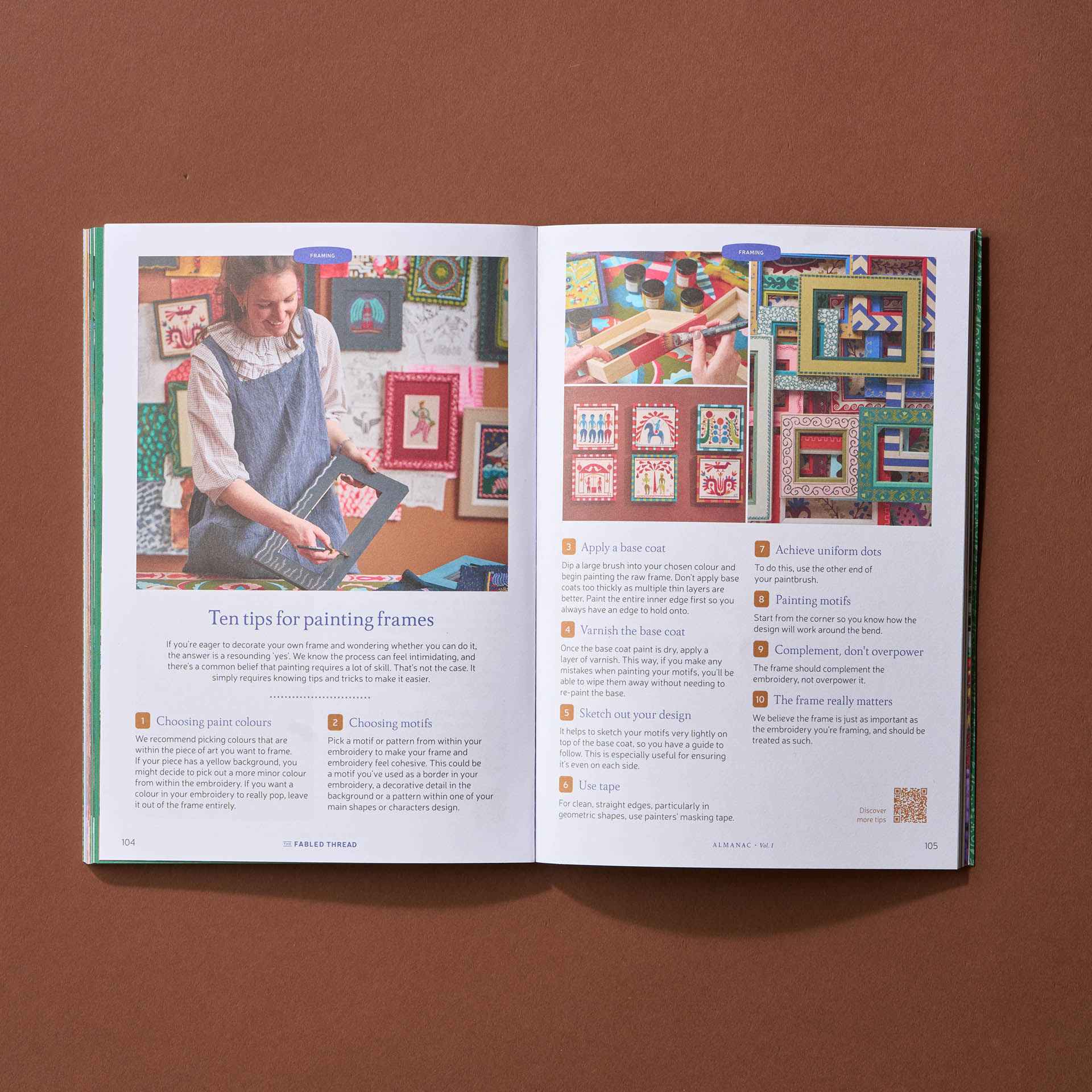
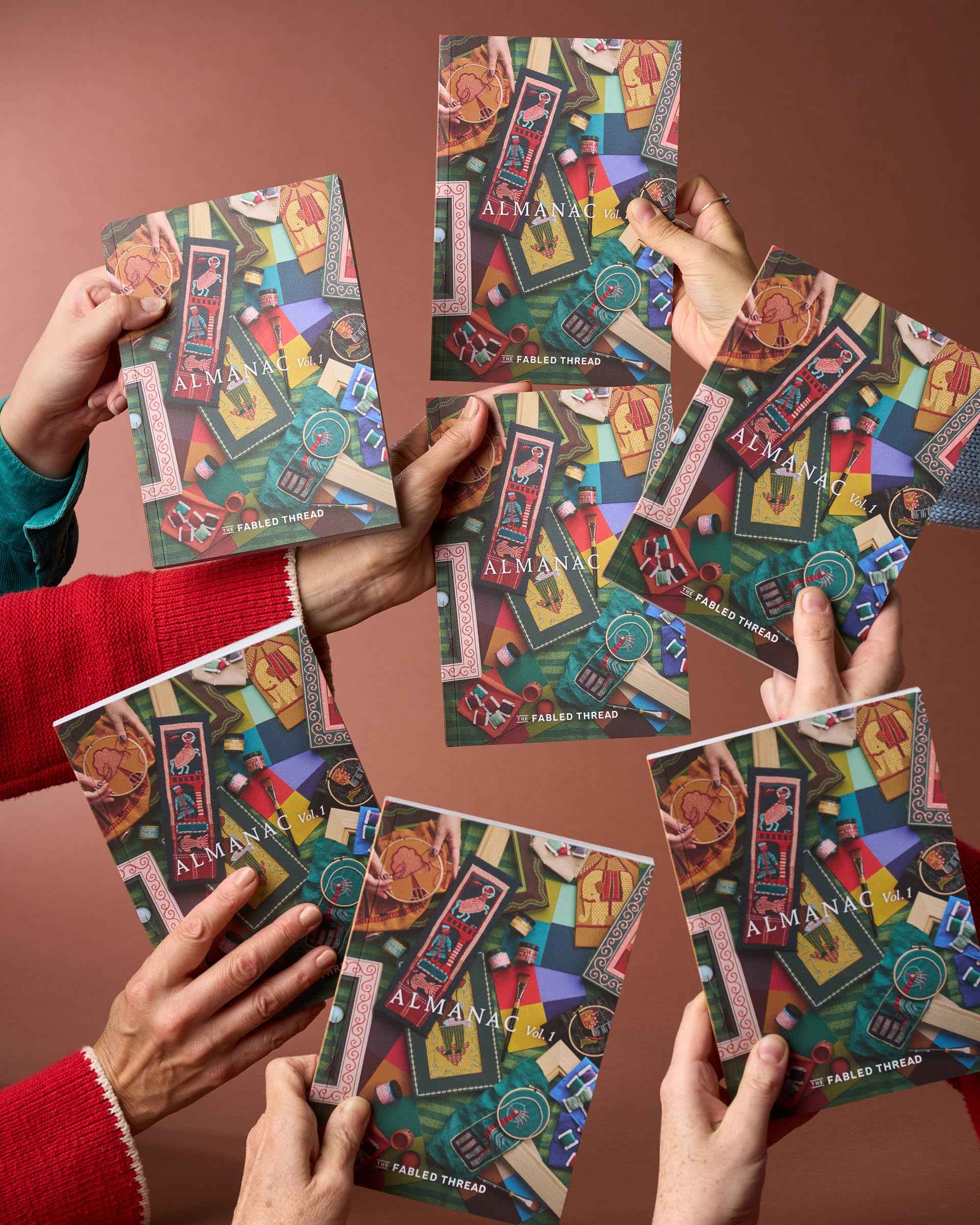
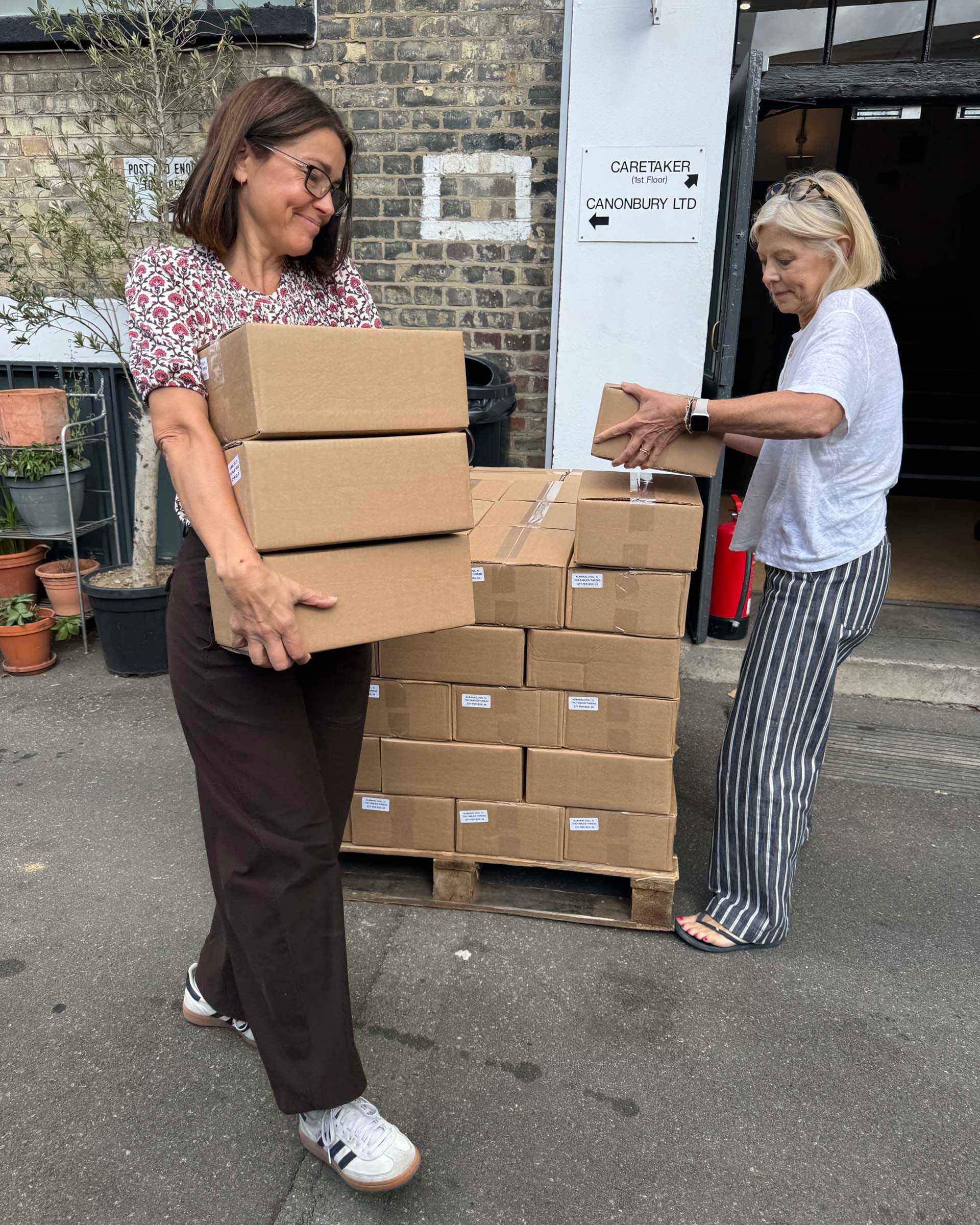
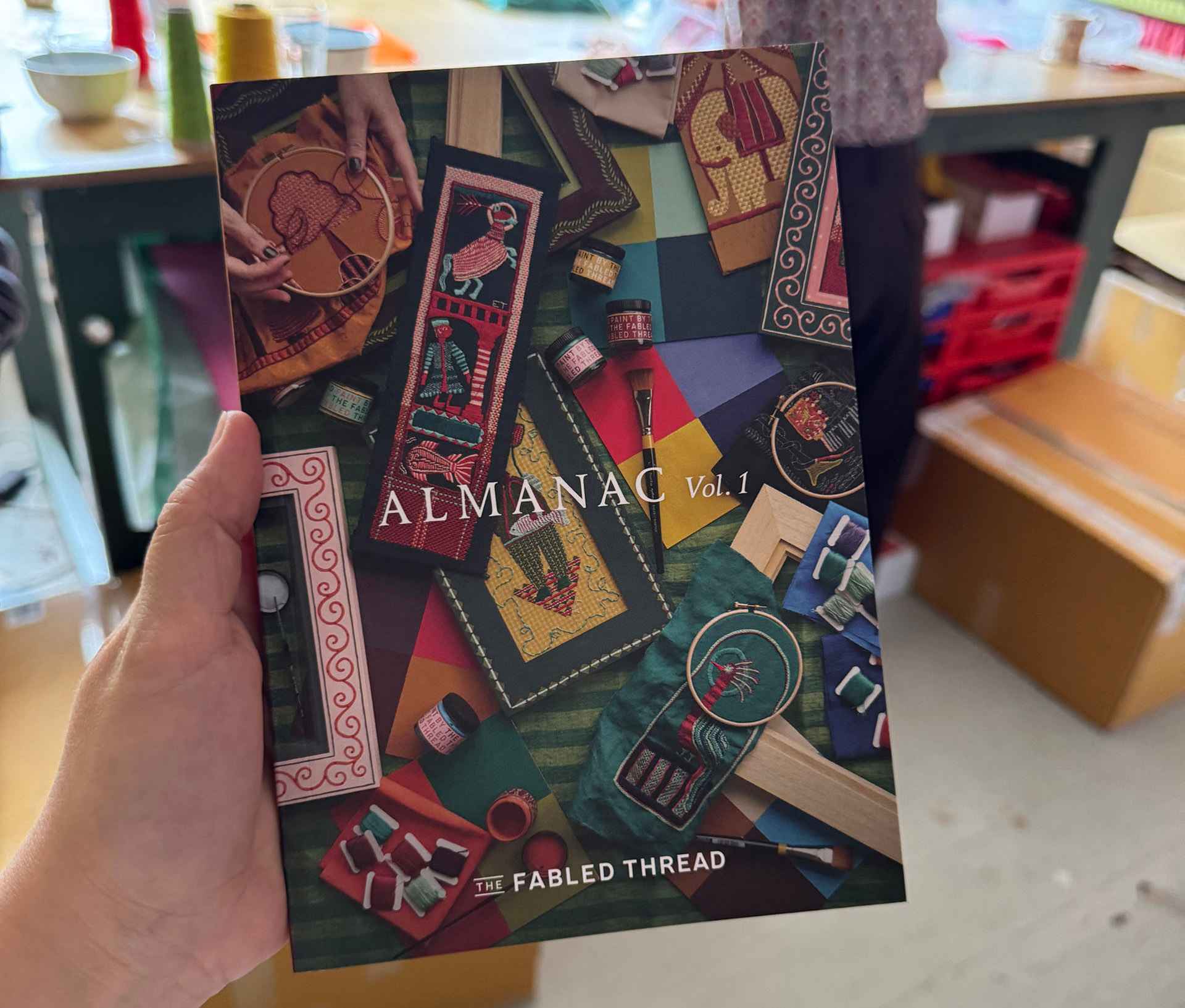
The other day we took delivery of something we have never made before: a physical Fabled Thread brochure. It is 136 pages long, filled with our kits, designs, photographs, stitching and all the things we have created over the last six years.
And flicking through it made me feel more proud of this little business than I ever have before.
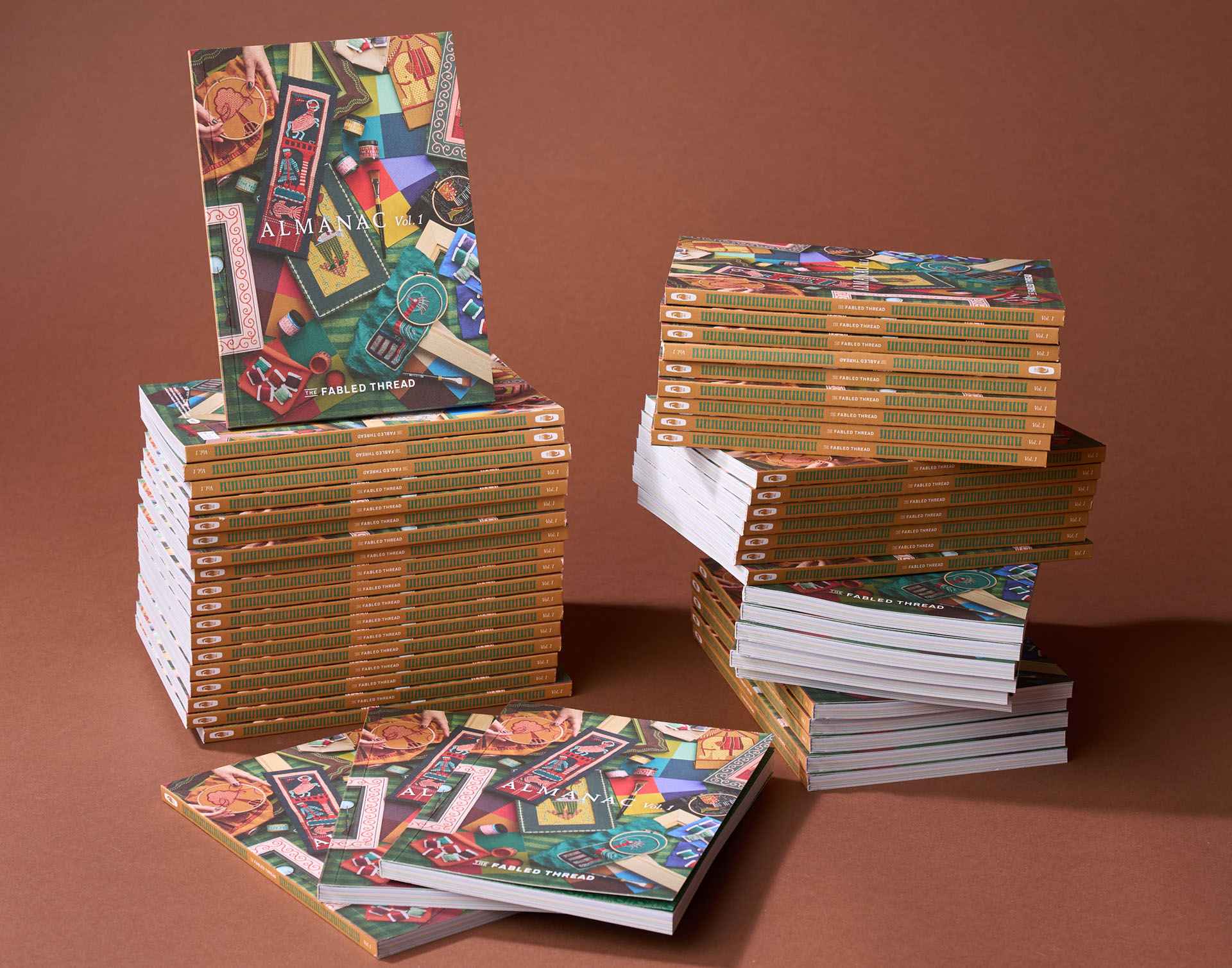
136 pages of things that didn’t exist six years ago
Not just products. It’s the hours of embroidery. The frames we worked out how to make. The colours we mixed. Kits we worked out how to pack. Photoshoots we deliberated over. Collections we took risks on, some more successfully than others.
None of it existed, and now there is enough of it to fill an entire book.
There is something slightly overwhelming about seeing it all in one place.
I actually wasn’t there when they arrived
I was away, so instead I got videos from the team opening the boxes in the studio. I could hear everyone talking in the background, flicking through the pages, seeing things they had worked on, asking if they could take copies home.
And strangely, watching their reaction made me even more emotional than seeing the brochure myself.
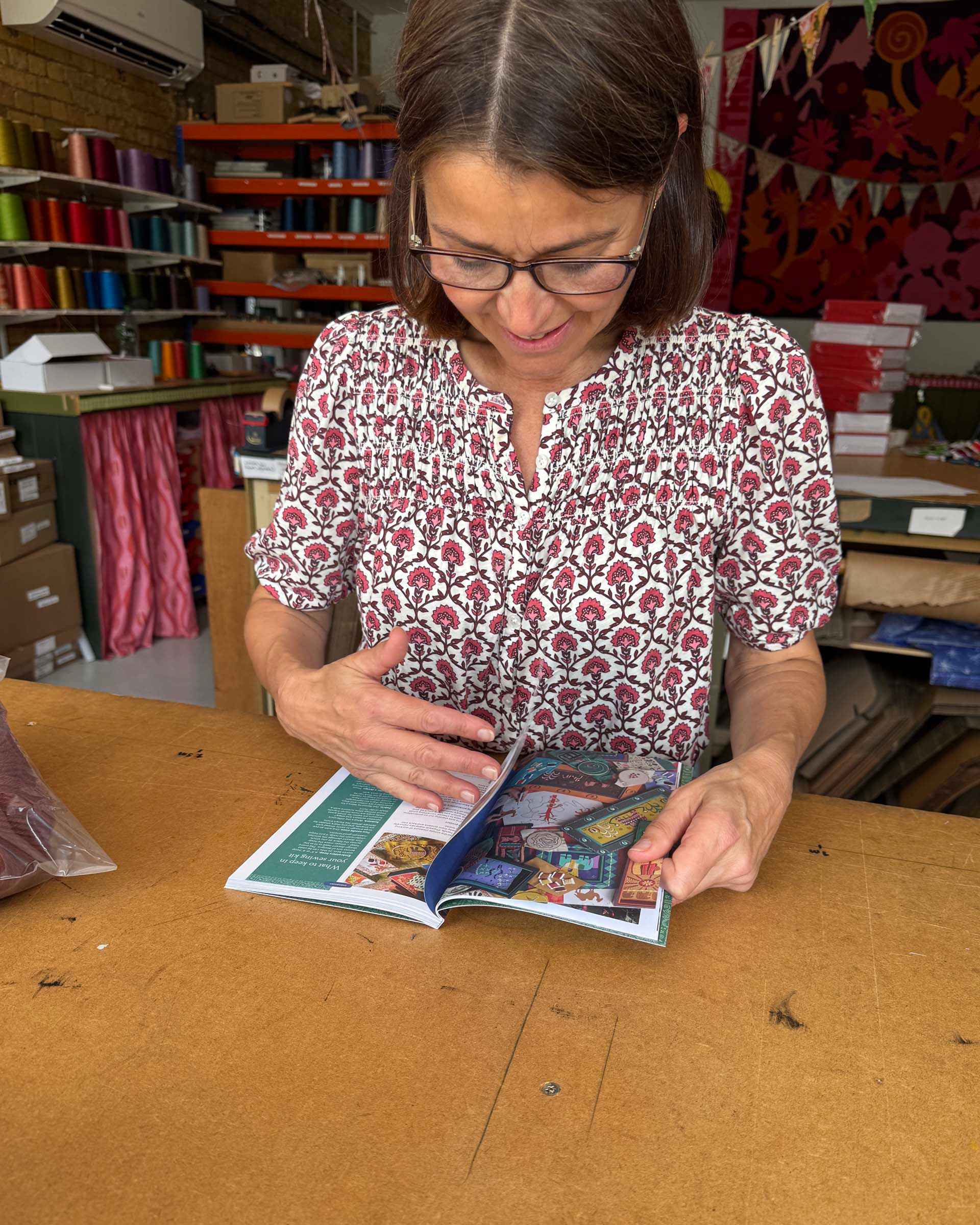
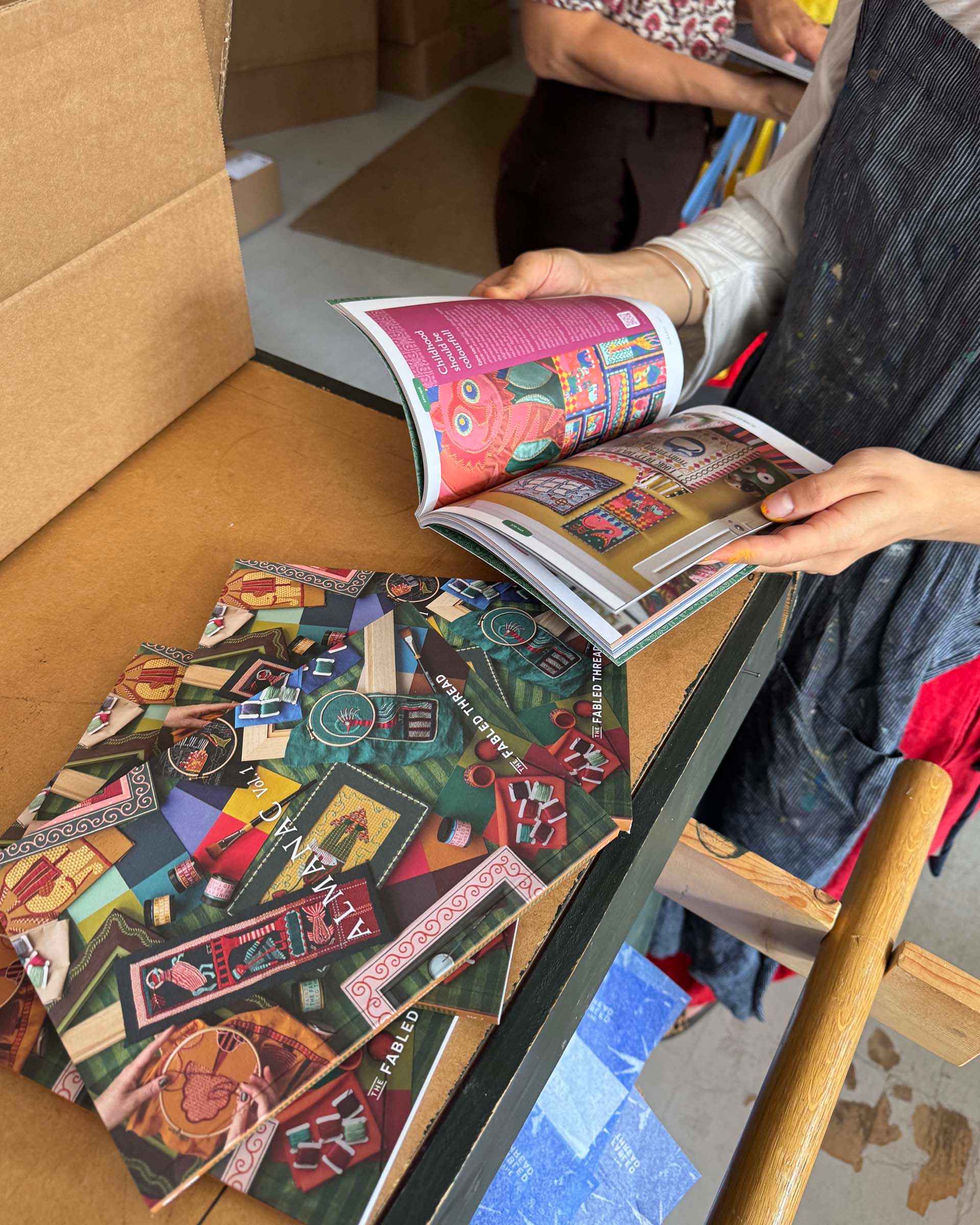
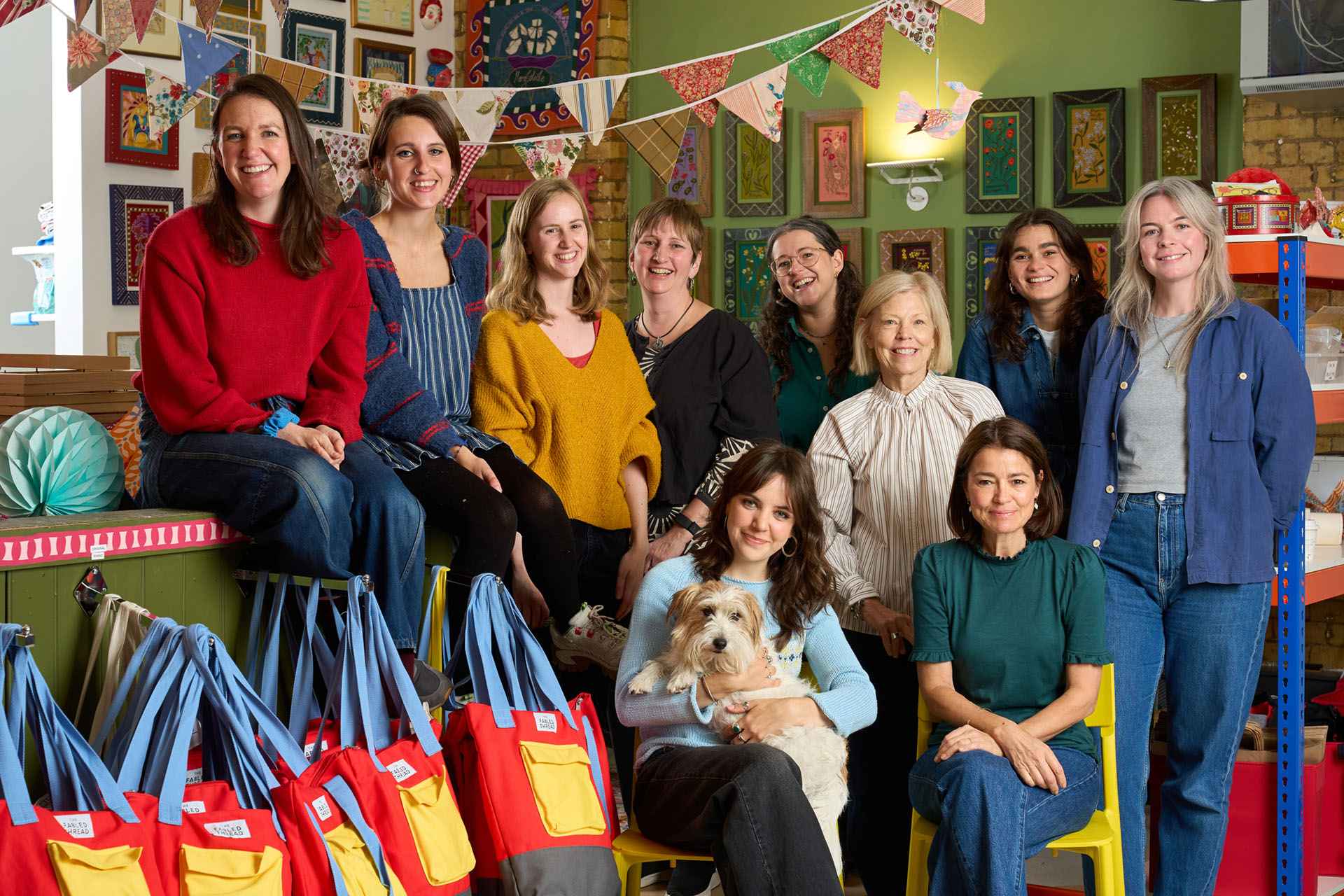
Because then I thought: the business created this team too
The products in those 136 pages are only the most obvious things The Fabled Thread has made.
It has also created jobs. It has given a group of people somewhere to come to work every day. It’s created an environment where people, other than me, genuinely care and are excited about the things we make.
That is quite an extraordinary thing to have created from nothing.
And then there’s the studio they’re standing in
Without The Fabled Thread, our studio would just be another London commercial space. It would probably have some more desks in it and a lot less bunting.
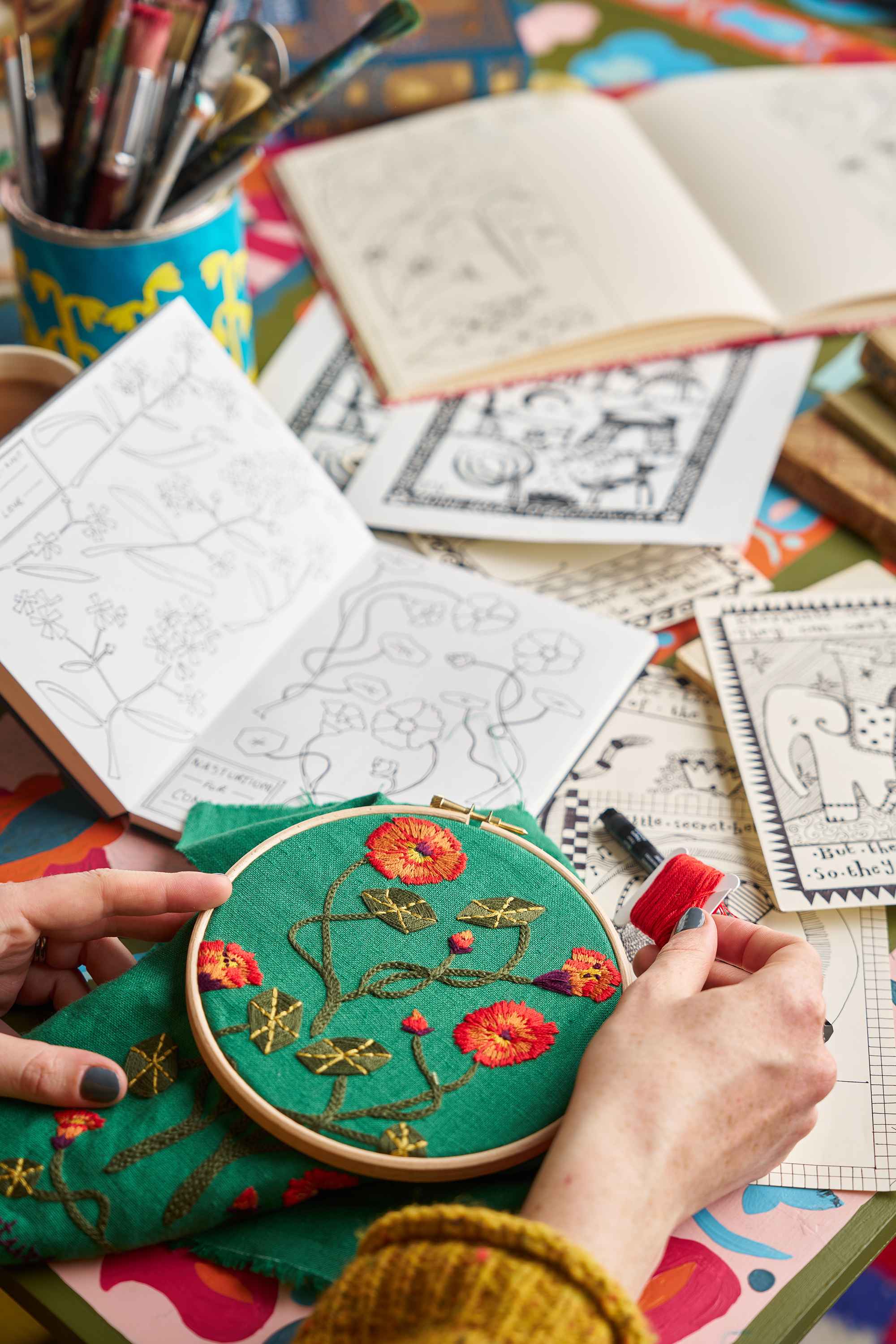
Instead, it is full of painted fabrics, piles of wool, half-finished designs, cutting tables made by my dad, hand-painted frames and all the ridiculous paraphernalia we have accumulated over the years.
We made this studio exist too.
And then I started looking at everything inside it
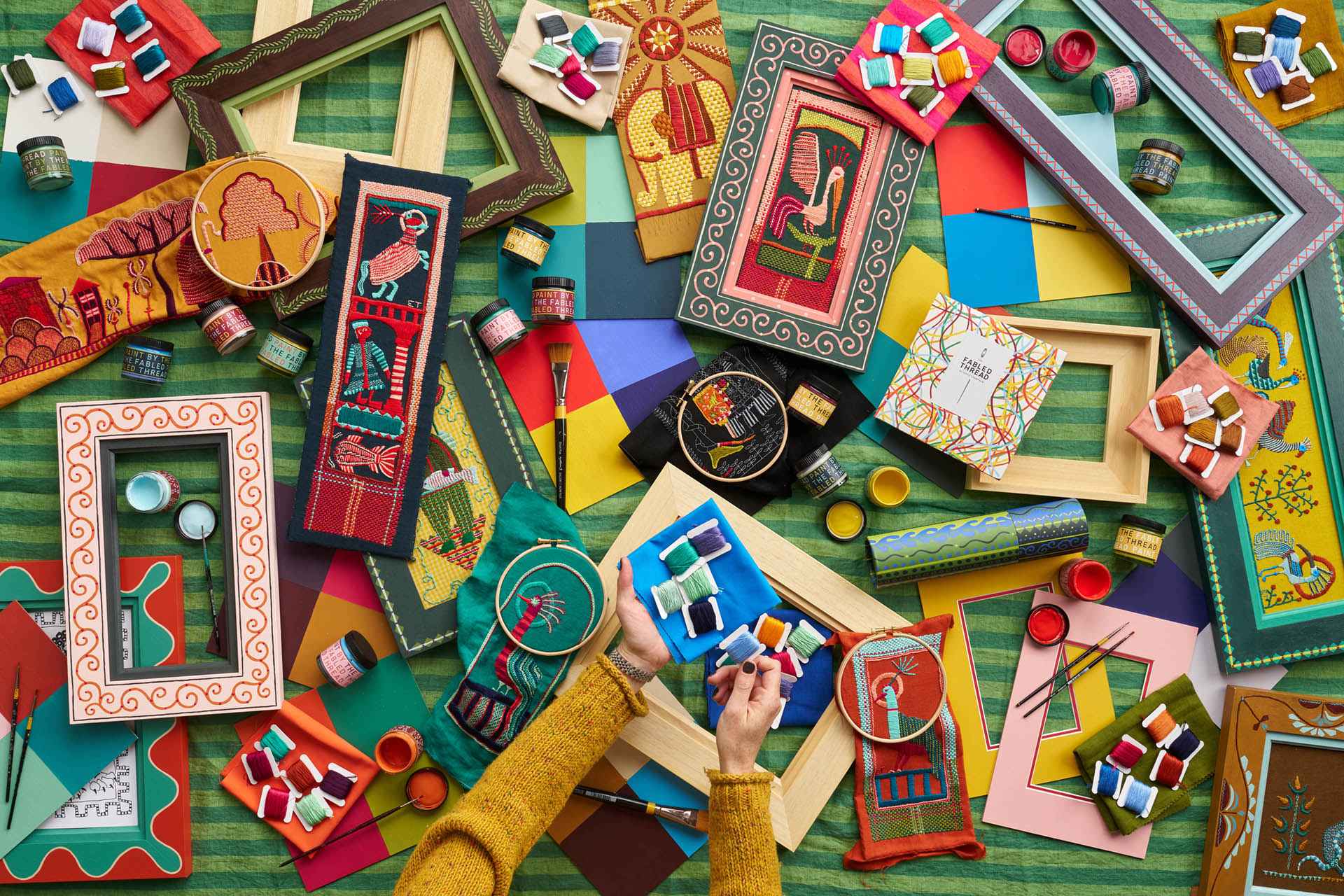
There are hundreds and hundreds of frames, which we order every month from another small British business.
There are piles of fabric printed for us by hand by lovely Amy in Hebden Bridge, who 6 years ago didn’t know she’d be doing this.
There are boxes, labels, threads, paints, needles, printed booklets and countless other things which arrive through our doors before a finished kit ever goes out.
Every one of those orders isn’t just work for us, it’s somebody else’s work.
Our small business supports other small businesses
We are a regular customer for people who didn’t have us as a customer six years ago.
As we’ve grown, our orders have grown. Our suppliers have had to make more things, print increasingly large quantities, or even employ more people because of the amount we’re buying from them.
We’re hardly keeping the British economy afloat with embroidery kits and frames. But there is no denying that our existence makes a tangible difference to other businesses. And theirs makes ours possible.
Then eventually a parcel goes out of the door
After all those people, decisions and materials, someone in the studio packs everything into a box and it makes its way to a customer.
That person opens it and spends hours stitching it. Perhaps they frame it and put it on their wall.
Six years ago that object didn’t exist, the design didn’t exist, the kit didn’t exist. And that person would now have something very different hanging in their sitting room.
The finished thing makes all of this look terribly simple
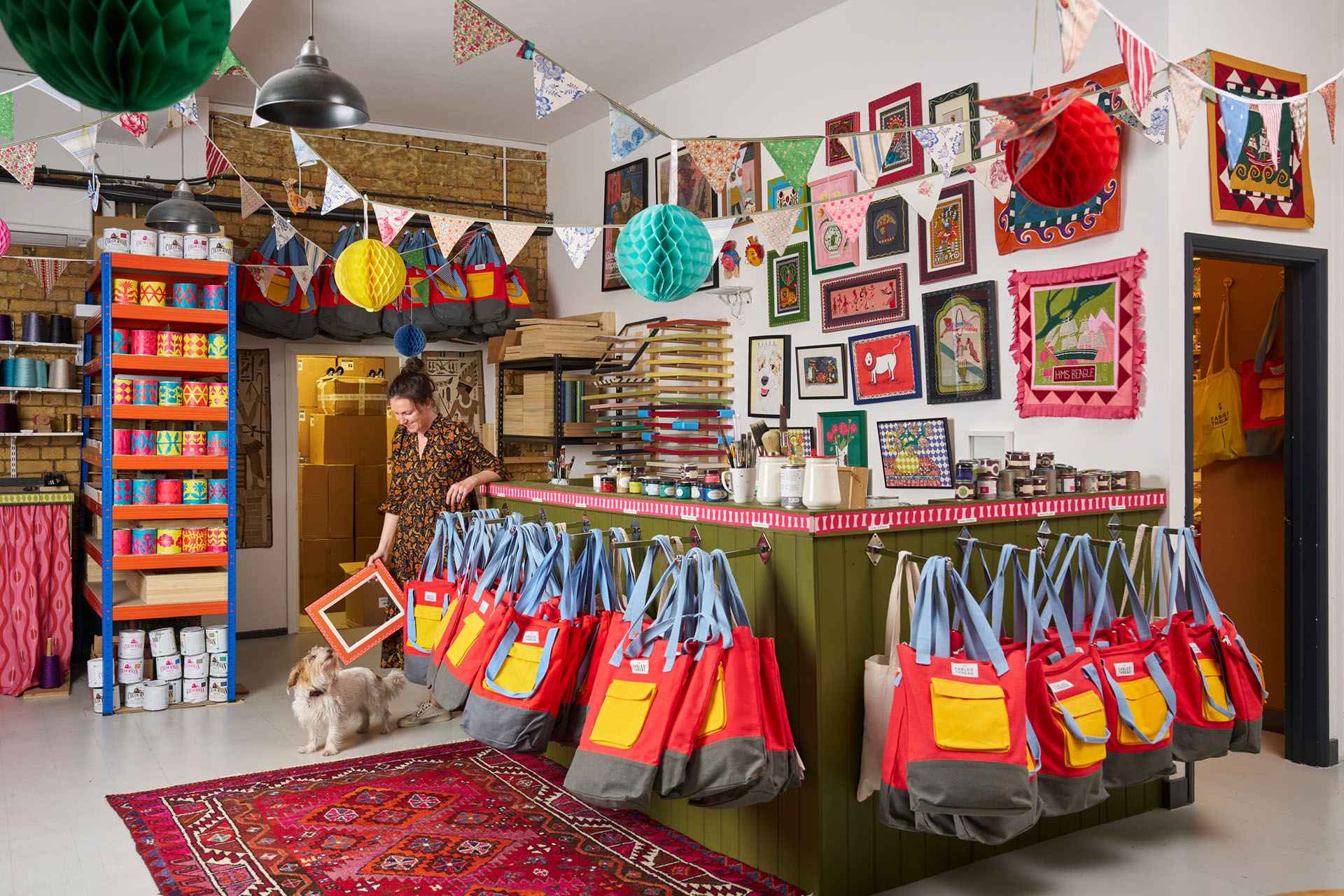
You look at a photograph in our brochure and you might see a kit and framing set.
I look at it and see about 400 decisions.
Where do we get that paint? What container does it go in? Where do you buy the glass jar? Who prints the label? Do we stick it on ourselves? How do we stop it leaking? What does it get packaged in? How on earth do we post it?
Every page is full of decisions nobody will ever know we made
What colour should the frame be? Which thread goes with that fabric? Where do you buy fabric? How do we photograph it? Do we need fresh flowers in the picture? Is the instruction better silk or glossy? How much stock do we order? What is the best kind of racking to store it on? How much should we sell it for?
None of these is a particularly monumental decision. But make thousands and thousands of them, one after another, and eventually you have 136 pages worth of products to show.
That is what made me feel so proud
Normally you don’t get to see six years of work at once.
You see today’s problem or the stock that’s late or the email you need to answer or the next month's sales target or the idea that isn’t working. You just see the enormous to-do list.
Then, occasionally something happens to help you appreciate all those tiny decisions.
For me, it was seeing the brochure and thinking: bloody hell. We have done a hell of a lot.
And we are only one tiny business
I’m one founder who, six years ago, decided to leave my job and try build something.
There are millions of people doing the same thing. Someone opens a restaurant, starts making ceramics, sets up a design studio, builds a software company, opens a shop, starts manufacturing something.
One person decides to have a go, and gradually an entire ecosystem forms around that decision.
Eventually other people’s lives become wrapped up in it too
Someone who started with an idea at their kitchen table hires their first employee and perhaps another.
Someone starts commuting every morning to a job that didn’t exist before. A supplier gets enough additional work to employ someone else. A freelancer gains a regular client. A landlord has an occupied studio. A customer has something that brings them a bit of joy each day.
It spreads much further than the person who originally took the risk.
I sometimes think we forget how extraordinary that is
We talk about “business” as though it is one enormous homogenous thing. Particularly in the UK, it often feels like business is something we’re suspicious of - an organisation that’s profiteering, self-interested, exploitative, cutting corners or generally trying to make money at someone else’s expense.
But the vast majority of businesses don’t look like that. They are just people trying to make something work.
Starting something from nothing is really bloody hard
There is no one to ask who has done exactly what you have done before. Nobody has already worked out how you should package the thing, what you should charge, which supplier to use or what happens if everything breaks.
You just start with one decision, then another, then another.
You get loads wrong. You lose money on things. You worry about everything. You have an endless list of problems to solve.
But suddenly, a brochure arrives six years later, and you notice all the things that happened because you just kept making decisions.
It’s always easier to stay at your desk
Before The Fabled Thread, I worked in investment banking. I could have stayed there and, financially, I’d no doubt be considerably better off today.
There are certainly moments over the last six years when that would have seemed like a much more sensible decision.
But I know for a fact that I never did anything sitting at that desk would have created the same ripple outwards as this little business has.
So I think small-business owners should be proud
Because quite a lot of the time, you don’t feel proud. You feel stressed, or anxious, or behind. You’re worrying about cash flow or the next launch or the thing that has gone wrong this week.
If all we ever talk about are the challenges of running a business, we miss the other reality of it.
Sometimes you get to look at something and think: we made this from nothing.
So this is a little shout-out to everyone building something
To the person who has just hired their first employee. The person packing orders from their spare room. The person whose supplier has just had their biggest order yet. The person trying to work out where on earth you buy 500 tiny glass jars.
And to all the other small businesses that make ours possible – including the brilliant little publishing business in Devon, Salt Media, run by a friend I met through the Goldman Sachs small-business programme, who made these brochures for us.
Seeing these 136 pages reminded me just how much can grow from one person deciding to start.