
Why Getting Offline is Essential for Creativity
There are real advantages to loosening our grip on digital media a little. Life feels noticeably calmer when you can focus on one thing at a time without constant interruptions. You start to rediscover the quiet pleasure of slowing down, which is something we cover in great detail in our article on making life more analogue. In this article, we wanted to delve into why getting offline is essential for creativity and explore ways to find creativity offline.
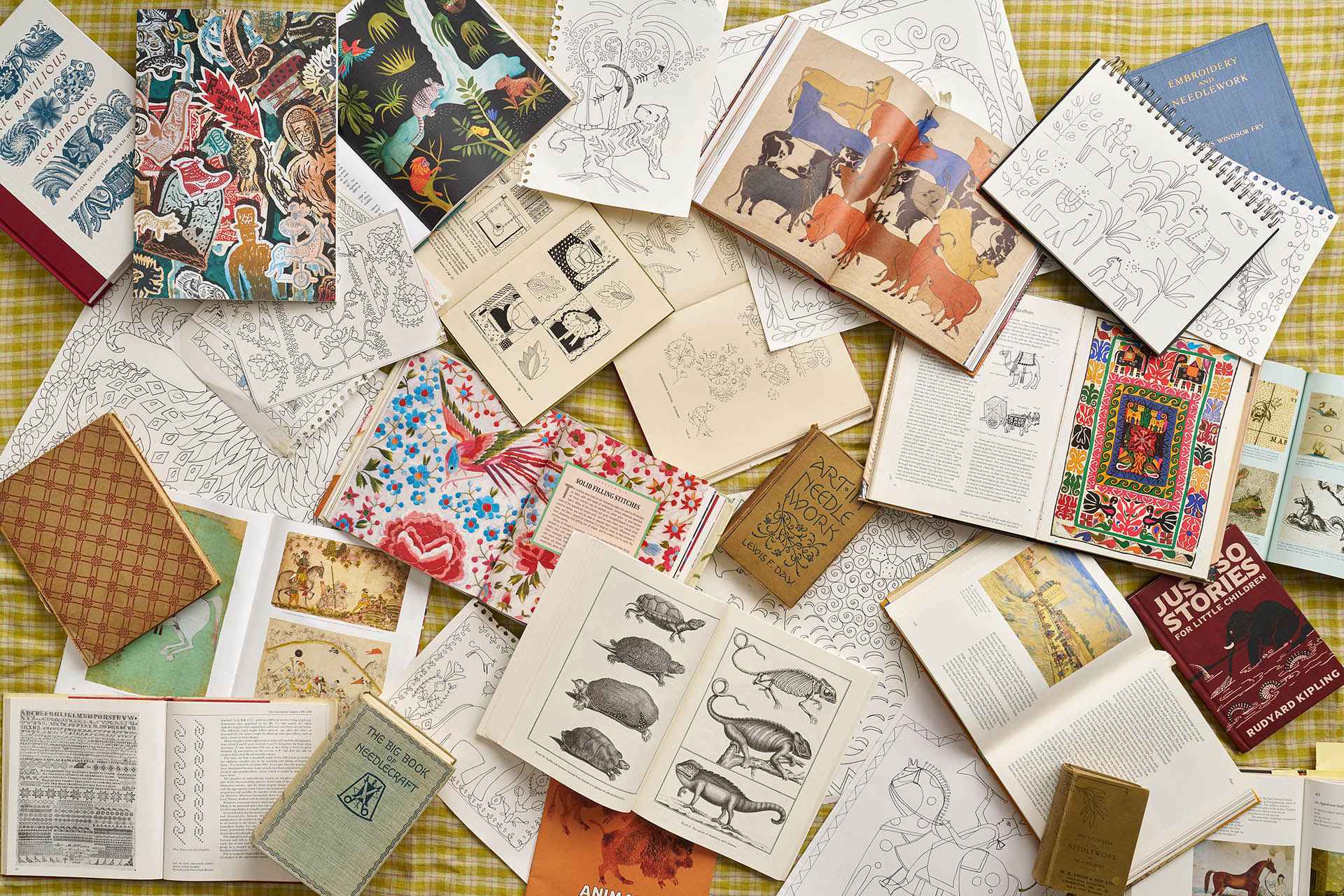
Creativity becomes a slightly tricky thing to navigate in a world that revolves around being online. When trends dominate visual culture, they inevitably start influencing what people make - often without them even realising it. Remember the time when everyone was suddenly making art based on cowboys or tarot cards...? The risk is that everyone gradually begins making versions of the same thing. And when you’re constantly absorbing other people’s ideas, it can become surprisingly difficult to separate genuine inspiration from unconscious imitation.
There’s also the quiet pressure to make work that is shareable. But learning, experimenting and making mistakes are awkward processes - and they don’t sit particularly comfortably on the internet. If everything is destined to be posted somewhere, it can subtly shape what you create and how you create it.
Offline creativity offers the opposite environment. Without the constant stream of other people’s work in front of you, your own taste has space to develop. You feel freer to experiment, to follow odd ideas, to make things that don’t need to perform for anyone else.
And perhaps most importantly, it brings the playfulness back. When no one is watching, creativity becomes lighter again. However, when faced with a blank page and no idea how to fill it, our first temptation can be to reach for our phones. So here are some ideas for other ways to do it...
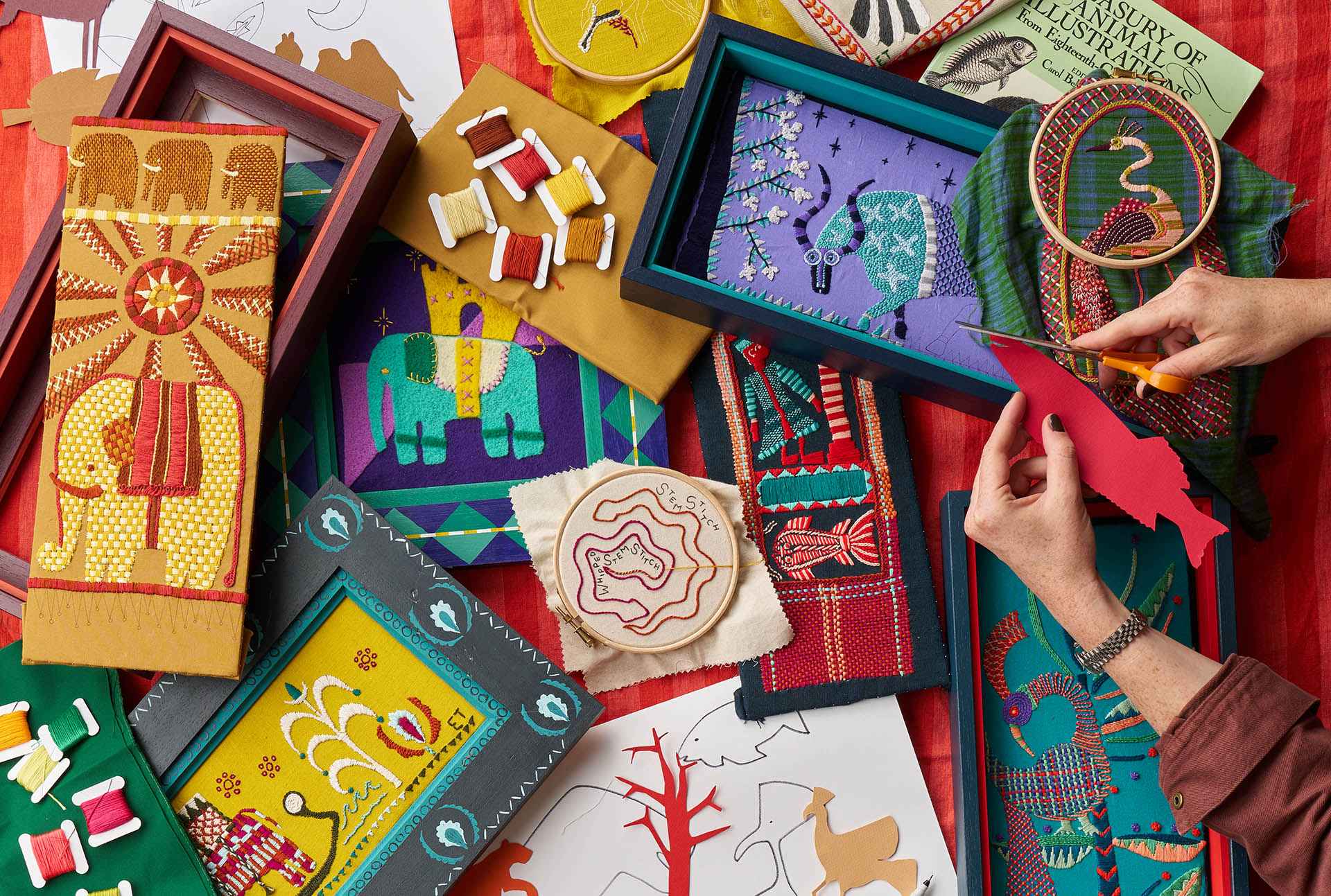
- Visit second-hand bookshops
- Look at vintage craft books to find methods for crafts which you could learn in new ways
- Museum sketching
- Looking in charity shops
- Visiting clothing shops to find colour palette inspiration
- Wallpaper sample books
- Walking outside to find inspiration in patterns or colours
- Going to galleries and exhibitions
- Signing up for a course to learn skills like printmaking etc
Watch our four-part series all about finding inspiration, where we explore the topic of how and why it’s important to use reference material in your artwork, but how to do it in a way that stays original to you. In Part 1, we look at where to find inspiration, how to find original sources, some places to avoid looking for inspiration and some tips on what to look for.
Even more ideas from our resources:
- How to Draw Badly - a comprehensive hands-on drawing session
- Look up! Seeing Hidden Details - in this two-part series written by Meg she talks all about finding inspiration from looking at the world around you
- Five ways to choose a colour palette - our how-to video that teaches you how to plan the colours for your future projects
- The Cut-Out Library - This Cut-out Library is designed to help spark ideas in the composition of your designs. You can draw around these templates to create your own cut-outs.
- Get lost in museum archives:
- DENVER ART MUSEUM'S ONLINE COLLECTIONS
- THE SMITHSONIAN ARCHIVES
- V&A ONLINE COLLECTION
- WINTERTHUR MUSEUM'S ONLINE COLLECTION
- PHILADELPHIA MUSEUM OF ART ONLINE COLLECTION
- METROPOLITAN MUSEUM OF ART
If you're looking for a creative outlet to reduce your screen time, embroidery is the perfect hobby to start. Even if it’s your very first time doing embroidery, we believe you can create something worthy of framing. That’s why we design all our kits with beginners in mind, complete with video guides that walk you through each step.
Embroidery is portable, affordable and best of all - calming. It doesn't require any artistic training. But fair warning - once you start, embroidery can become wonderfully addictive!
You can find our beginners embroidery guide here.
Where to start


You may also like

Top Tips on Making Life More Analogue (and Why So Many of Us Are Craving It)
Read more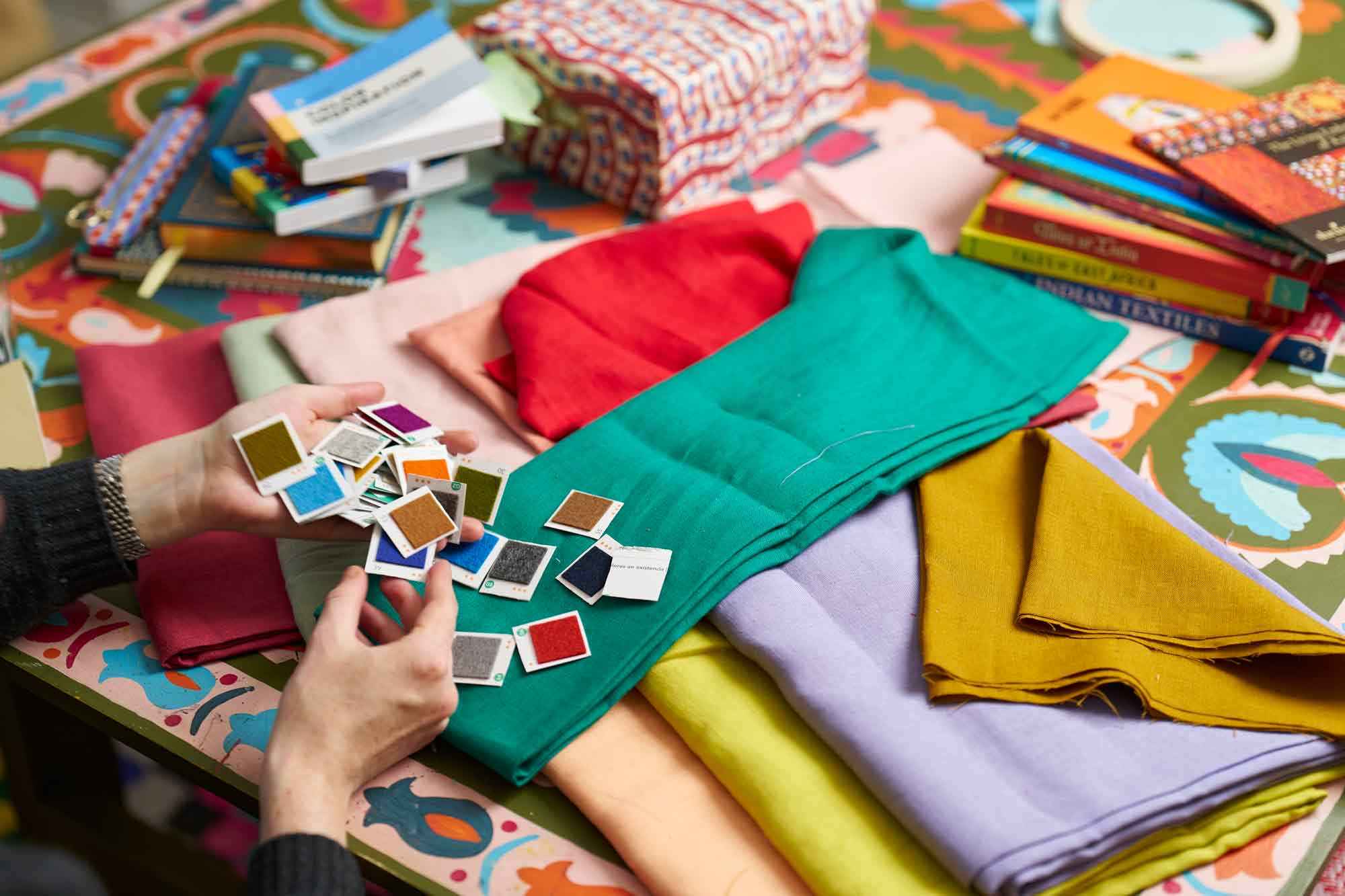
Five Ways to Choose Colour
Read more
Finding Inspiration and Overcoming Creative Blocks
Read more
My Life is Not an Instagram Strategy
Read more