10 Things That Have Meaningfully Grown Our Business
Over the past twelve months, we have significantly stepped up our marketing efforts. Not in terms of the amount of time we have spent on it, but more in terms of budget. Through it, we have learnt one thing - you cannot simply throw money at a problem and expect a good outcome. You have to stay close to the detail all the time.
A couple of weeks ago, I wrote a longer piece for our Studio members about why we had struggled with paid advertising - why things had not worked in the way I had expected and why we ultimately made the decision to pull back paid advertising and bring everything back in-house. That process showed me that I cannot afford to take my eye off the ball when it comes to any part of the business
Off the back of that, I carried out a full review of our marketing over the past six years. Not what should work in theory or looking at what other businesses are doing, but instead, looking as unemotionally as possible at what has actually moved the needle for us.
Yesterday, I finally filled the very large studio whiteboard, which has been empty for the last year and mapped out our entire marketing plan for the next year (which runs May to May, I am not so organised, I am doing it for 2027!). This year, the plan looks very different. First of all, there is actually a fixed plan – which after 6 years of business is genuinely a first! Secondly, it strips away assumptions, it ignores trends and is built entirely around the things that have genuinely contributed to the growth of the business. We are taking risks, trying new things, but all in areas which are not completely left-field for us.
So I wanted to share those broad ideas here - the ten things that have meaningfully helped us grow?
At the outset, it is perhaps important (if somewhat disappointing) to say the one thing they all have in common… every single one of them is high effort.
There is not a single quick win or low effort tactic that has delivered massive. And, not to repeat what I wrote in the previous article, that is where I went slightly wrong over the past nine months. I allowed myself to believe that, through paying for advertising, there might be a more efficient way. That there might be something that required less from me but would still deliver. But low effort, in my experience, tends to lead to low reward.
So this is my list. In the hope that it is useful to anyone building something of their own. I would love to hear your thoughts on other things we could try out!
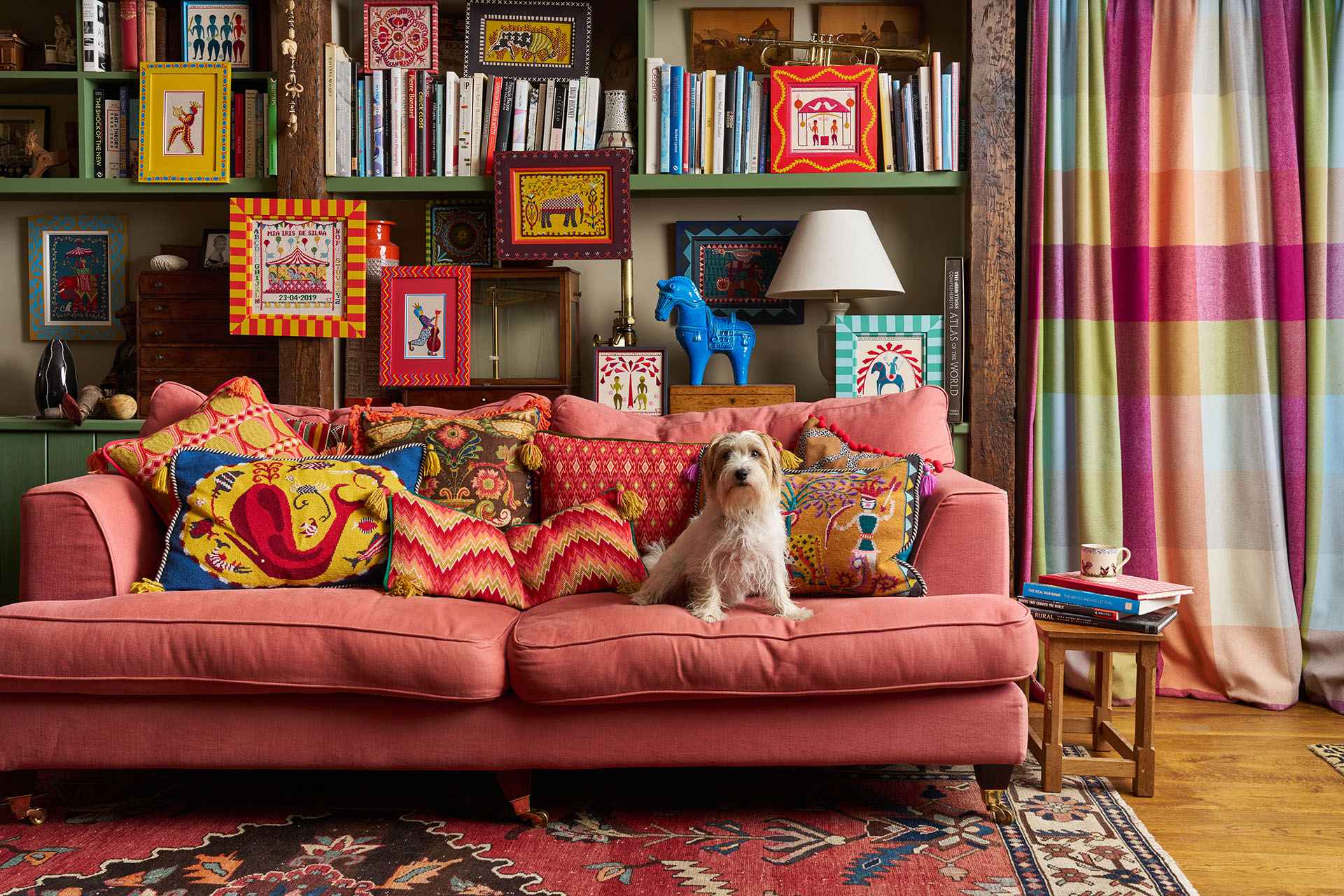
More important than anything else has been having a genuinely good product, and for the first three years of the business, that was really my only focus. We have been obsessive to make sure every part of the experience was thought through carefully. The materials we use, the way the kits are packaged, the instructions that sit alongside them, the videos that support people through the process, and the way everything is photographed and presented online. All of it is about making sure when someone receives something from us, it should not only feel like a treat, but also something they feel confident they’ll actually be able to do.
That second part is making sure people finish our kits – I don’t want ours to join the millions of half-finished projects sat in drawers waiting to one day be chucked in landfill. I do not just want someone to buy one of our kits… I want them to finish it, to frame it, and to feel proud of what they have made. At that point, it is far more likely someone will come back or to tell someone else about it. So that means finding ways to make the finishing and framing as seamless, easy and fun as possible is just as important as the kit itself.
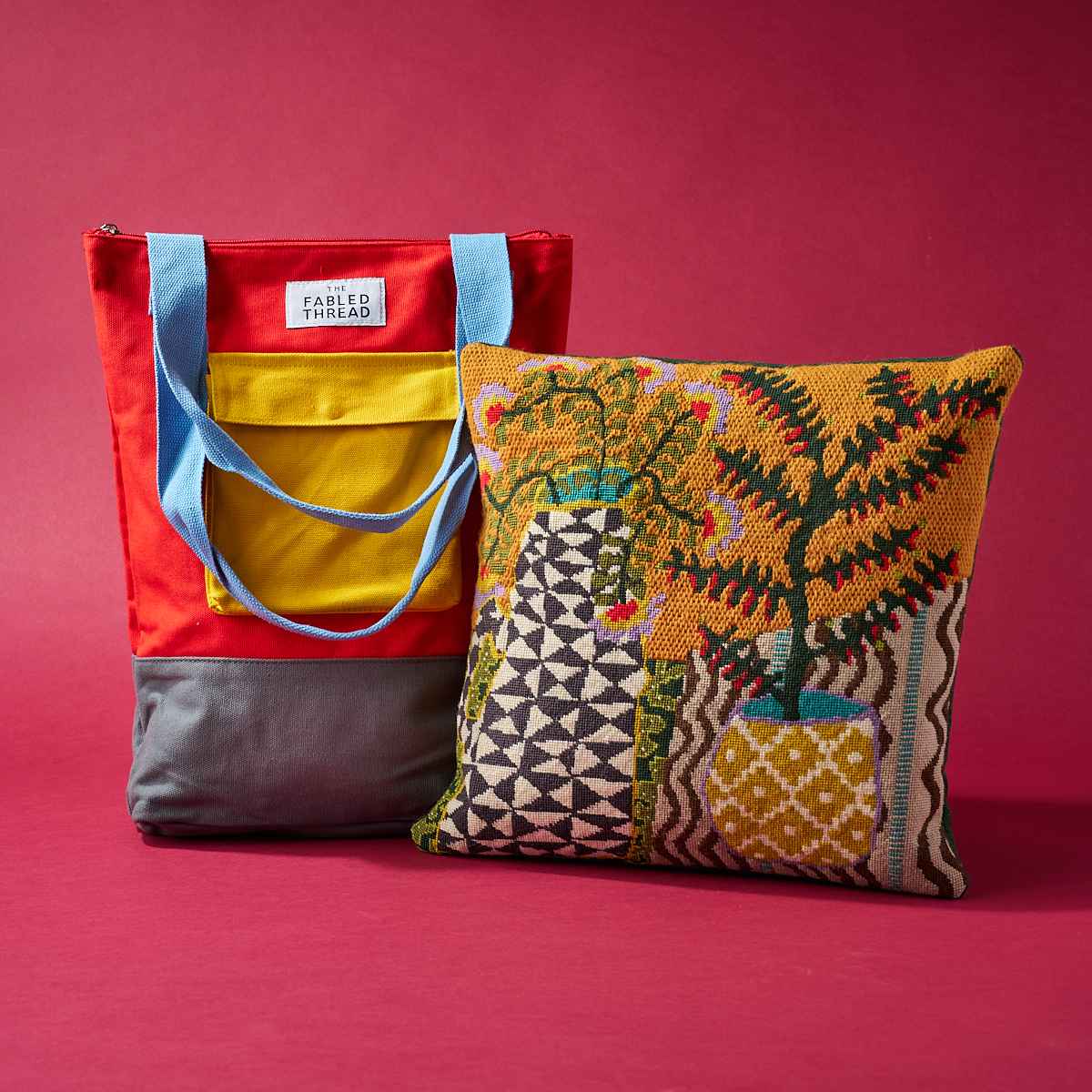
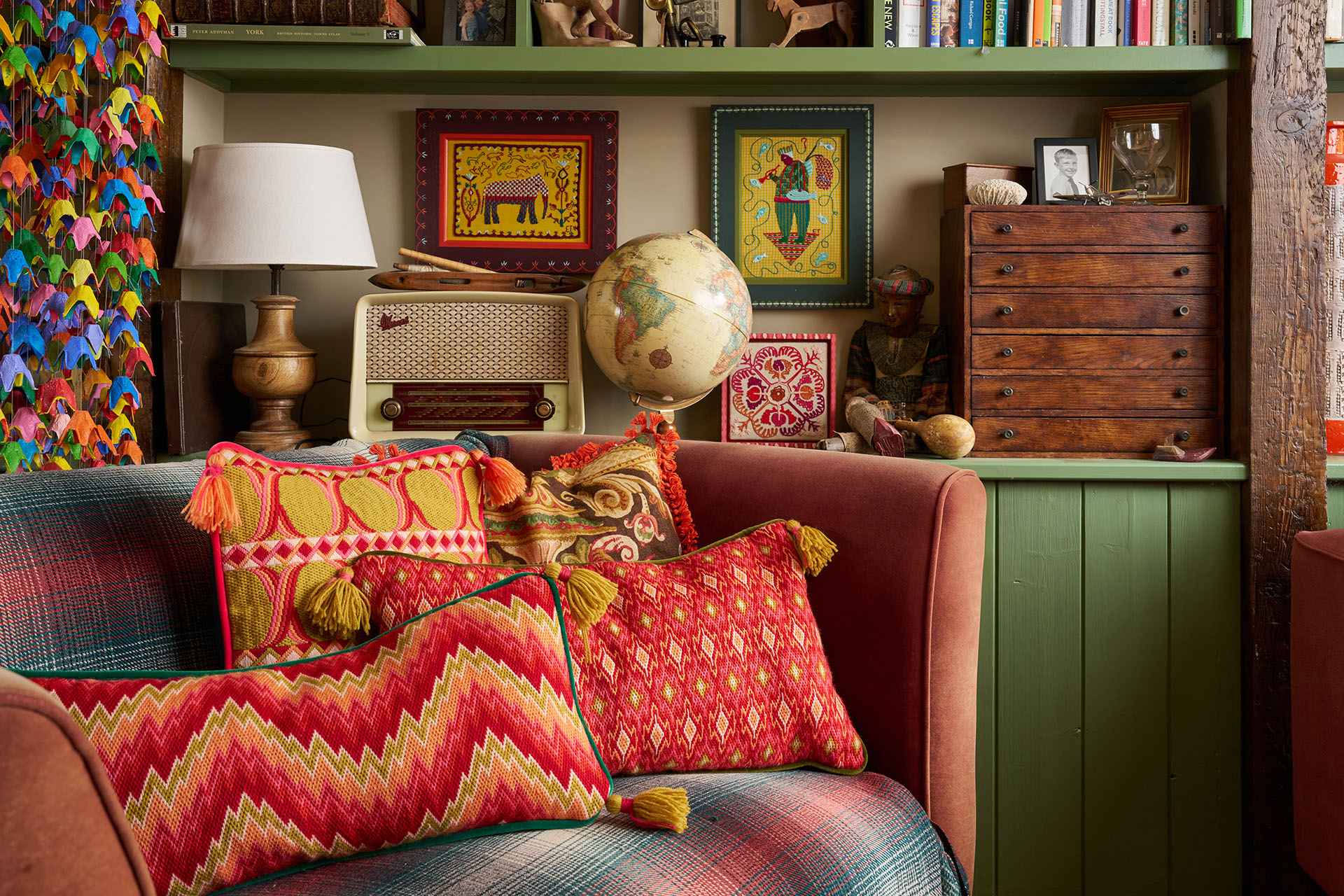
Alongside that, we have been very deliberate about building a range that allows different types of people to find something that suits them, whilst still feeling cohesive. That means having designs that appeal to a more traditional audience, like botanicals, alongside things like our Bargello cushions, which are a little less weird, and also creating options at different price points, such as our paint your own frames for people who may not be able to stretch to a hand painted one but still want a considered way to finish their work. The aim has always been to broaden who can engage with what we do without diluting the overall aesthetic or chasing trends.
Ultimately, everything else in this list builds on the product. You can persuade someone to buy from you once, but if the product does not meet their expectations, they will not come back, and they will not recommend you to anyone else. Whereas if the product is genuinely good, it carries a lot of the weight of the business for you, whether that is through repeat customers, word of mouth, or the credibility it builds over time.


Press has played a meaningful role in growing the business. As a side note, because it is something people often ask about, we have not done any formal outreach to press or ever had a PR firm. We have never written press releases, built media mailing lists, or tried to place ourselves into publications (albeit maybe because we are far too disorganised to get our photography ready more than a week before launch). Every feature we have had has come organically - almost always because someone has come across the product in real life. A journalist may have stitched one of our kits, or a friend of theirs has, or someone they work with has mentioned it to them. It has always come from a genuine interaction with what we make rather than us just shouting as loudly as we can about what we do. Anyway - that is not the point of this article – it’s far more about what those features then go on to do for the business.
There is an immediate effect when something is published - a spike in traffic on the website, an increase in orders, and growth in followers on social media. That is valuable, particularly in the earlier stages when getting in front of new people can feel difficult. But in many ways, the more important impact is about credibility. When someone comes across your business for the first time, particularly online, they don’t necessarily trust what they are seeing. There are usually loads of options and very little context to help them decide. However, if you can show them a list of press features and they see a publication they recognise and respect - that helps set you apart. It gives a level of reassurance that you cannot easily create yourself.
There is also a more practical benefit of press features (namely, online ones), which is the impact press has on your search rankings. Every time you are featured in a publication, you usually get a link back to your website. Over time, those backlinks add up - they show Google that your website is credible, that other reputable sites are linking to you, and that you are worth ranking. For the past couple of years, our position on the Google rankings has slowly been creeping upwards.
So whilst the initial exposure is useful, the more beneficial parts of press features are really the credibility they give you in the long run.
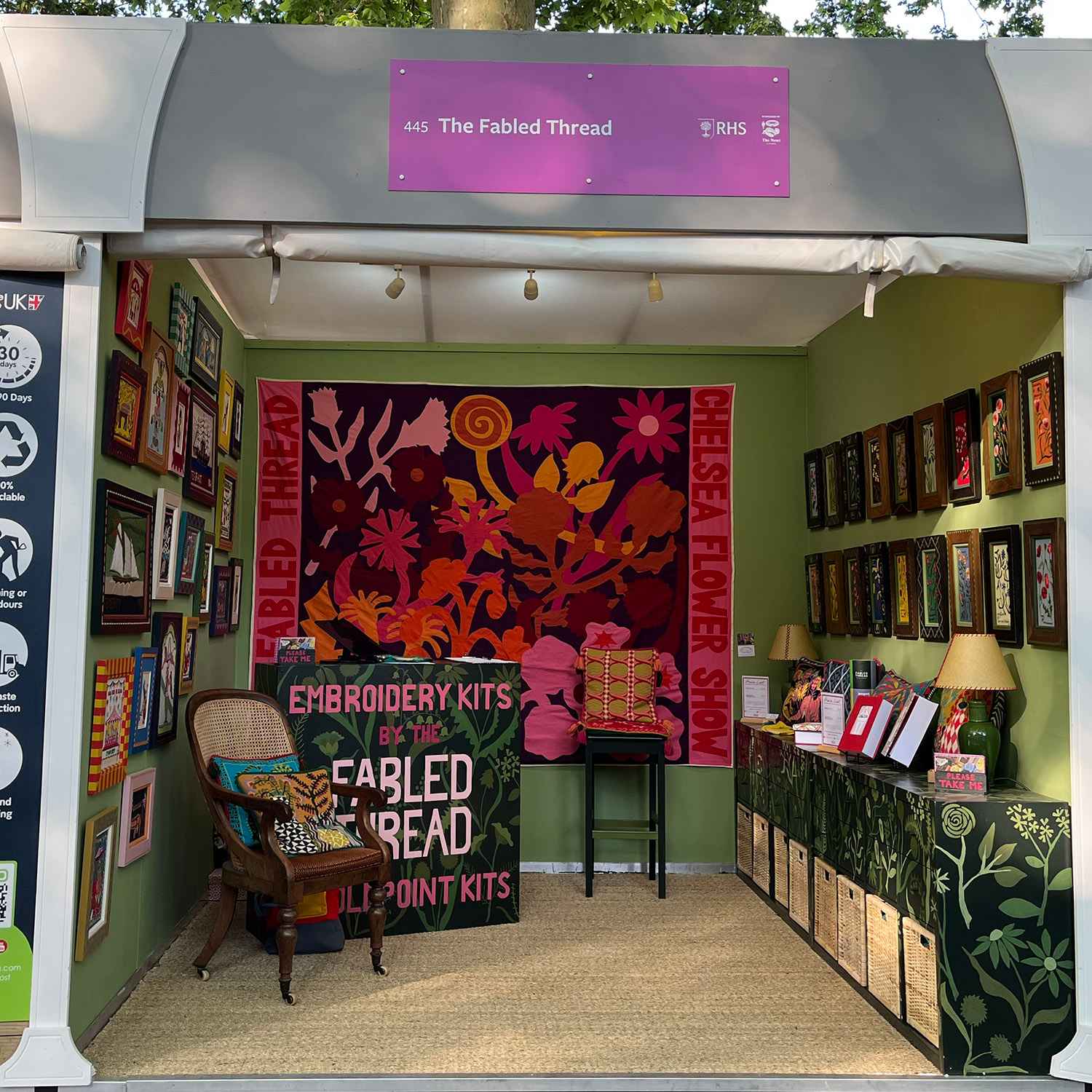
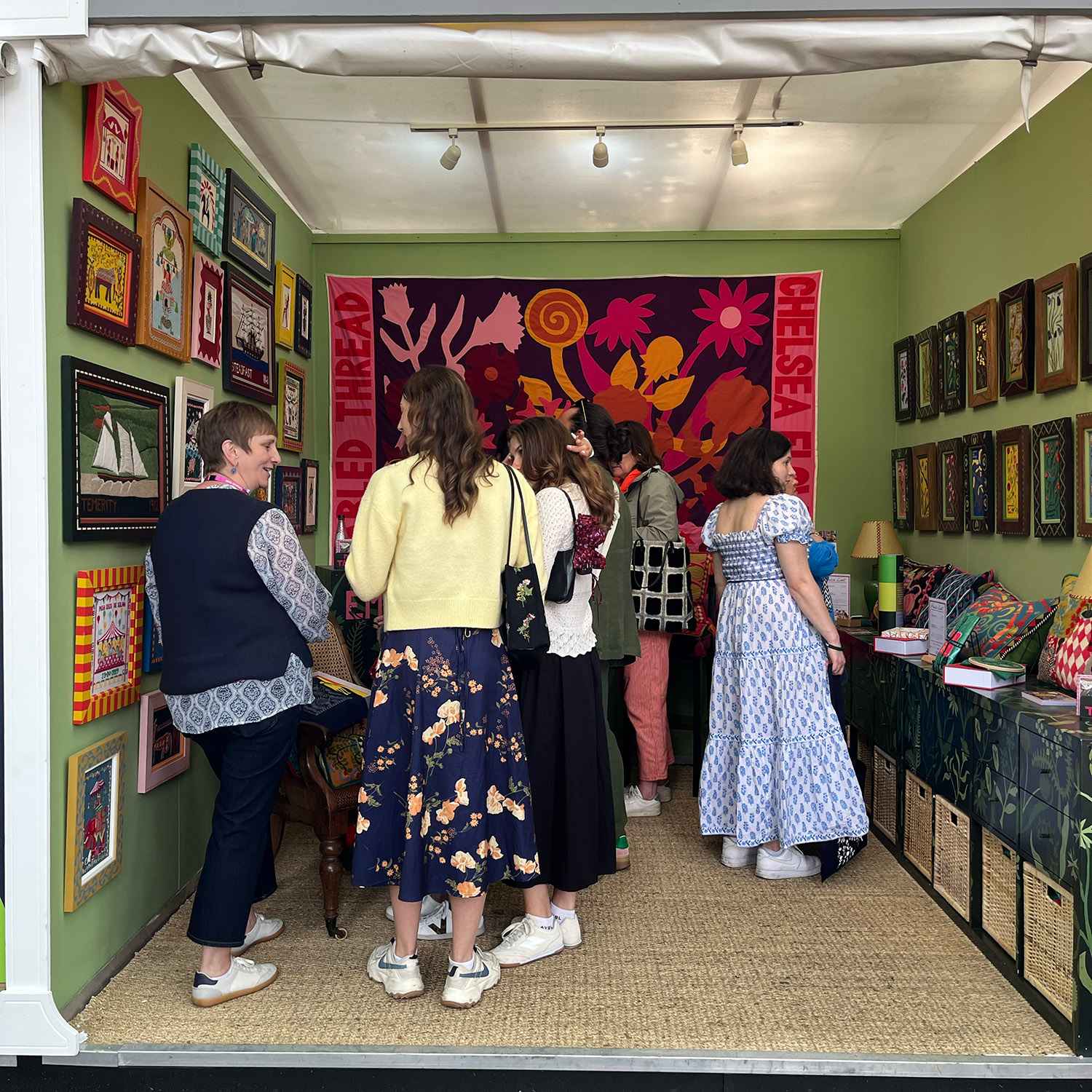
Meeting people in person has been one of the most consistently valuable things we have done as a business, even though on the surface it can feel like a slightly inefficient use of time when compared to everything you can do online. We have done markets, workshops, and larger events, and what becomes very clear very quickly is that being able to physically show someone what you do changes everything about how they understand it. When someone can hold a kit in their hands, when they can see the stitching up close, when you can talk them through what the process actually involves and reassure them that they will be able to do it, it removes a huge amount of hesitation. Something that might have felt slightly unfamiliar or even intimidating suddenly feels accessible, and that shift is often what leads to someone deciding to try it.
Alongside that, just meeting people and them seeing you are a real person helps you connect differently. You are no longer just an Instagram icon, you are a human. So we have noticed that those people we meet in real life are more likely to engage with our content afterwards, more likely to notice posts when they appear, more likely to come back and buy something else because they have a clearer sense of who they are supporting. They may have seen other designs in person that they would not necessarily have noticed online, or they may have seen someone else enjoying the process at a workshop and felt more confident trying it themselves. Even though you can reach far more people online in a single day, the depth of connection you build in-person carries forward in a way that continues to support the business long after the event itself has finished, and that has been something we have seen time and time again.
As much as many of us might wish it were not the case, social media has been a hugely important part of growing the business, and in our case, it has been the primary way that we have reached an international audience. We now have over thirty percent of our orders shipping overseas, and we have never done any paid advertising internationally, which means that the only way word has spread is through the content we have put out over time. But I think it is important to be clear about what I mean by that, because it is not simply about posting regularly or sharing images of the product.
The posts that have made the biggest difference have always been the ones that take the most effort, the ones where I sit down and write something properly, or explain something in detail, or share something that is genuinely useful or thoughtful. Posts like this one take hours to write, but they also draw on years of experience, and they are not directly about selling anything. What they do instead is build a relationship slowly over time. Someone might come across the account and follow for months without ever having considered embroidery, they might engage here and there, read something occasionally, and then at some point, quite out of the blue, they decide they actually might quite like to have a go at embroidery. That decision does not come from a single post, it comes from a gradual accumulation of trust and familiarity, and that is something that only happens if you are willing to put real effort into what you share.
The other side to social media is that having a reasonably engaged audience also leads to opportunities away from it. We have been approached for collaborations, partnerships, events, and retail opportunities, and a large part of that comes from the credibility that social media gives you. It shows that there is an audience there, that people are interested, that what you are doing resonates, and that does open doors in the real world as well. People these days are pretty adept at seeing the difference between an account that has spent a lot of time “acquiring” followers online and one which has built that following naturally.
Word of mouth is probably one of the most powerful drivers of growth, and also one of the hardest to deliberately create, because fundamentally, hearing about something from someone you trust will always carry more weight than anything a brand can say about itself. There are a few things we have done over the years to encourage it, beyond simply trying to make something that people are happy to talk about.
Right at the beginning of the business, I sent out one hundred kits to friends of friends. I did not try to find influencers or people with large audiences, I simply asked my own friends to introduce me to their friends who they thought might enjoy what we were doing. It is worth saying that my friends are not connected to the world we now sit in, they are not journalists or interiors people or designers. They are also not really online people – they are just very normal. Given my school and university actually didn’t have any art courses, I have a group of friends in classically “professional” fields - lawyers, doctors, accountants, engineers. I say this because it was not about tapping into influential people.
What I asked my friends for was people in their lives who might have the same feeling that I had when I started the business, which was wanting to spend less time on screens and more time making something with their hands. From those initial one hundred people, I then asked each of them to recommend someone else, and I sent more kits. Overall I probably sent out about 200 free kits but through that process we were able to find an audience quite quickly. It also led, indirectly, to some of our first press features within the first few months of launching, which shows how powerful those early networks can be even when they are not obviously connected to your industry or to influential people. Because you never know who might inadvertently find you!
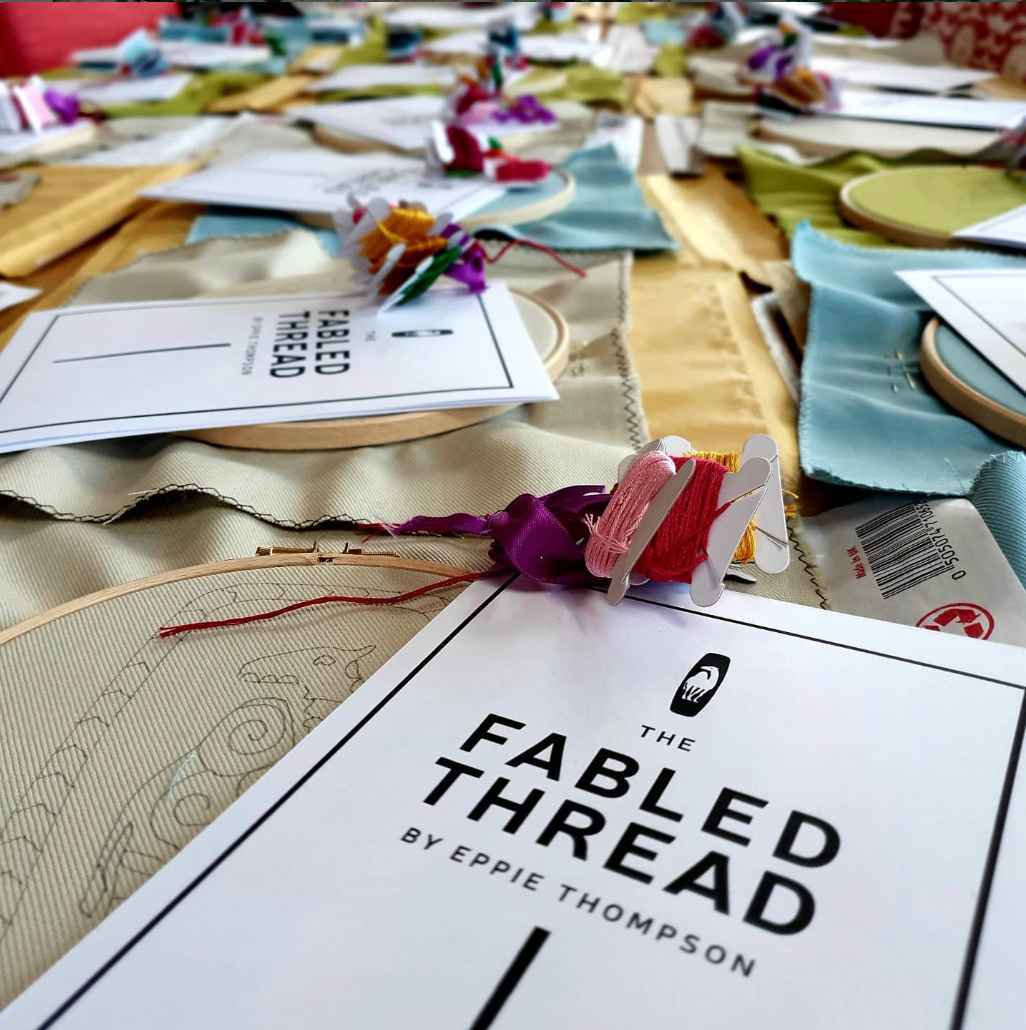
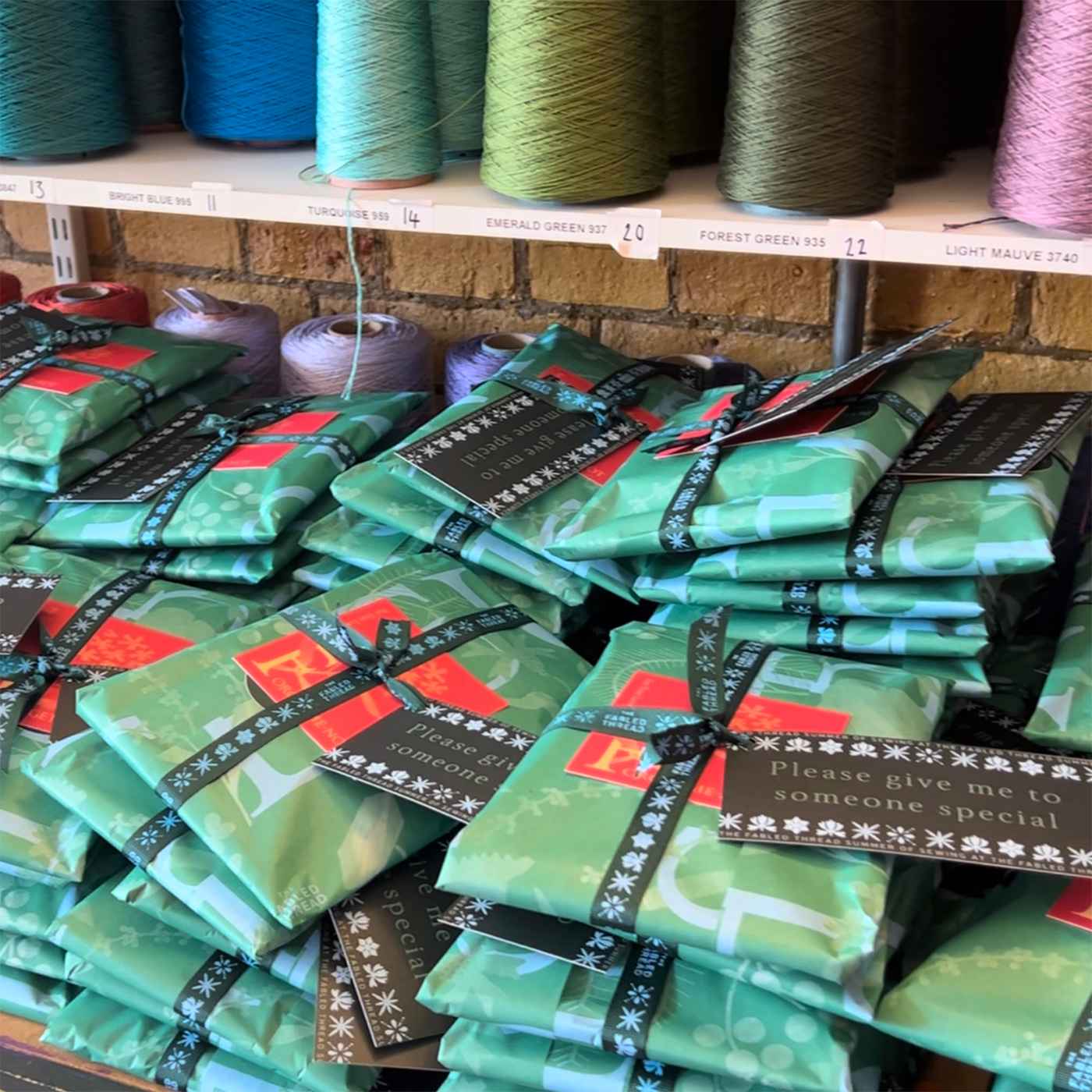
Since then, we have continued to build on that idea in different ways. Every couple of years, we run a gifting initiative where we send out a large number of kits completely free to people nominated by our audience. We simply ask people to tell us about someone in their life who they think would value it, and we send it to them as a gift, wrapped up with a note. There are no conditions attached and we are not asking for anything in return. Of course, there is always a possibility that the person receiving it will go on to buy from us in the future, but that is not the only outcome that matters. It creates a moment of generosity, it strengthens the relationship with the person who nominated them, and it gives people something that feels worth talking about, and that is ultimately what word of mouth is built on.
It would have been very easy to position ourselves as just another embroidery kit business and to follow the same model that many others use, because there are a lot of people doing what we do, and there is a fairly clear way that those businesses tend to operate. But from the beginning, I have tried to ignore that and instead focus on what makes sense to me personally, trusting that I am close enough to the customer to make those decisions.
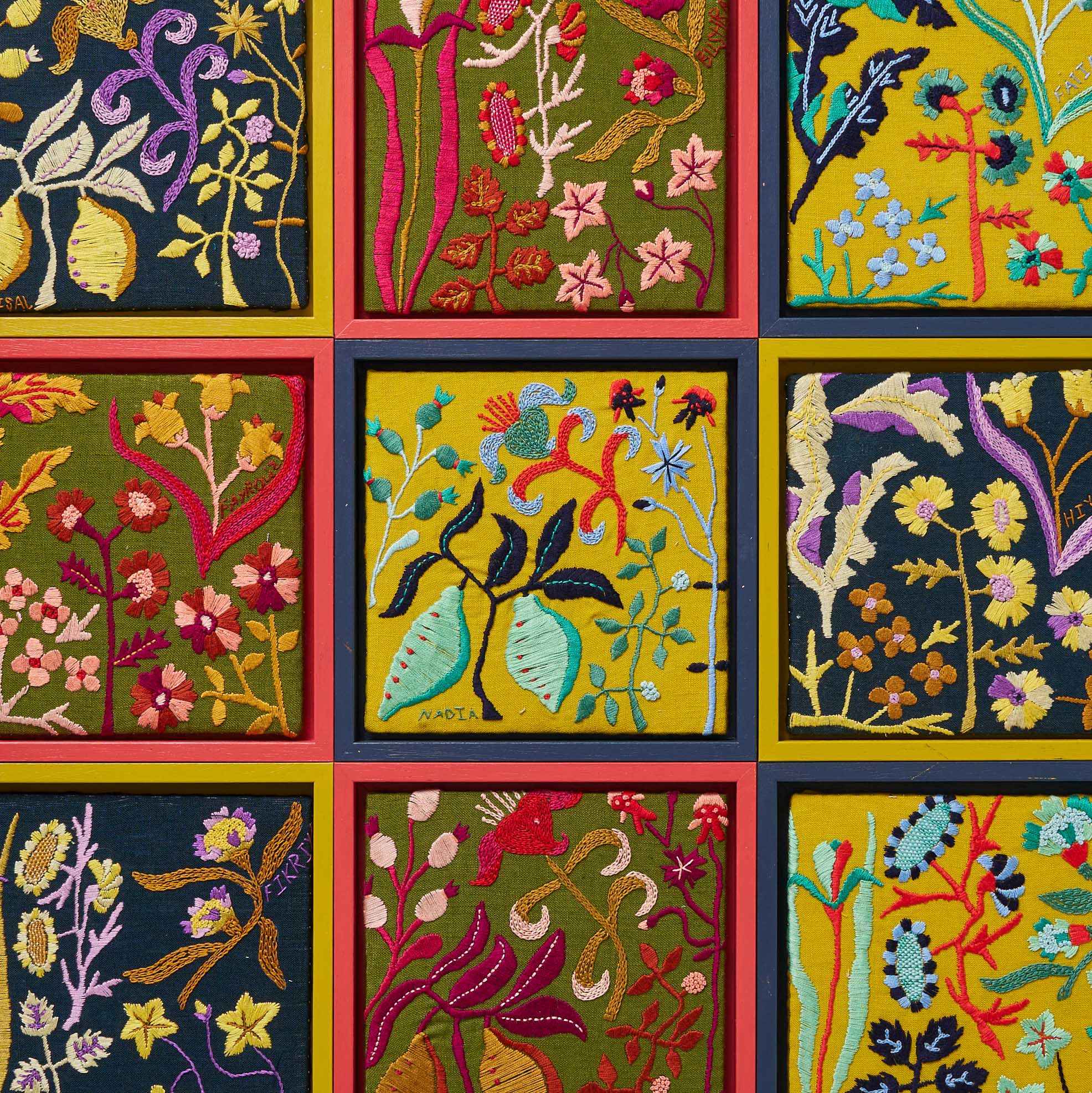
A good example of that is framing. When I started the business, I did not want to hang embroideries in hoops, and I did not want to use off-the-shelf frames, I wanted something that felt more considered and more aligned with the work itself. So we started making hand-painted frames, initially in very small quantities, and they sold out every time we released them. That led to us expanding into unpainted frames and then into selling our own paints, and what began as a relatively small addition has become a significant part of the business. It is a reason customers come back again and again. It is not something you would necessarily expect an embroidery kit business to offer, but it makes complete sense when you think about the experience from the customer’s perspective. If someone has spent hours creating something, you want to make it as easy as possible for them to finish it in a way that feels satisfying, and by following that logic rather than what already exists in the market, we have built something that is much more cohesive.
That approach has shaped many of the decisions we have made. Rather than asking whether something should work based on what other people are doing, we ask whether it makes sense for the person we are serving, and if it does, we trust that instinct. Some of those decisions may seem unusual on the surface, but they have often turned out to be some of the most valuable parts of the business.


Email has been one of the most valuable channels for us, but we have approached it quite differently from how many businesses are advised to. There is a lot of guidance that suggests sending emails frequently, keeping them short, and focusing on clear calls to action, but we have taken almost the opposite approach. Our emails are relatively infrequent, and when we do send them, they tend to be long, quite detailed and very personal. My own family often complain to me about the length of our emails.
We share behind the scenes, we write about things that are not directly related to the product, and we try to give people something that feels worth reading in its own right. We are not constantly trying to sell, and in many cases, the product is only a small part of what is included. The aim is to show people what we care about, how we think, and to give them something that feels valuable, even if they do not buy anything. We try to give them something that is a genuinely good read because – if it’s a topic they are interested in, they will appreciate the length we have gone to. If it’s a topic they aren’t interested in, they wouldn’t have likely read the email anyway.
The result of that is that whilst our mailing list may not grow as quickly as it could, the engagement is strong. People read the emails, they reply to them, they forward them on to others, and that creates a very different kind of relationship. Email is one of the few channels where you have a direct conversation with your audience, and it is one of the most effective ways to maintain that relationship over time. But it only works if people feel that what you are sending is worth their attention, and that requires a certain level of effort and trust.
We have done a relatively small number of collaborations since launching the business, and each one has been very intentional. We have worked with brands that feel aligned with what we are trying to create, whether that is in terms of aesthetic, values, or the broader feeling of what they represent. Those collaborations have introduced us to new audiences, added credibility, and opened up opportunities that would not have come about otherwise.
At the same time, collaboration is something we are approached about regularly, and it can be very easy to say yes, particularly in the early stages when you are trying to grow. But one of the most important things we have learned is that it only really works when there is a genuine alignment. It isn’t that the brand you are working with needs to be big, it's more that it should make sense to our customers and theirs about why we are doing the collaboration.
The collaborations we have done have also had a knock-on effect in terms of credibility. They have led to opportunities such as being invited to exhibit at events or being given access to spaces that would otherwise have been out of reach, and over time, they have helped build a sense that we are a brand that others trust and want to work with, which in turn makes future collaborations easier to initiate. I also think it has put us in a far stronger position to reach out to other businesses we would love to work with, as we have some proof that we can do a good job.
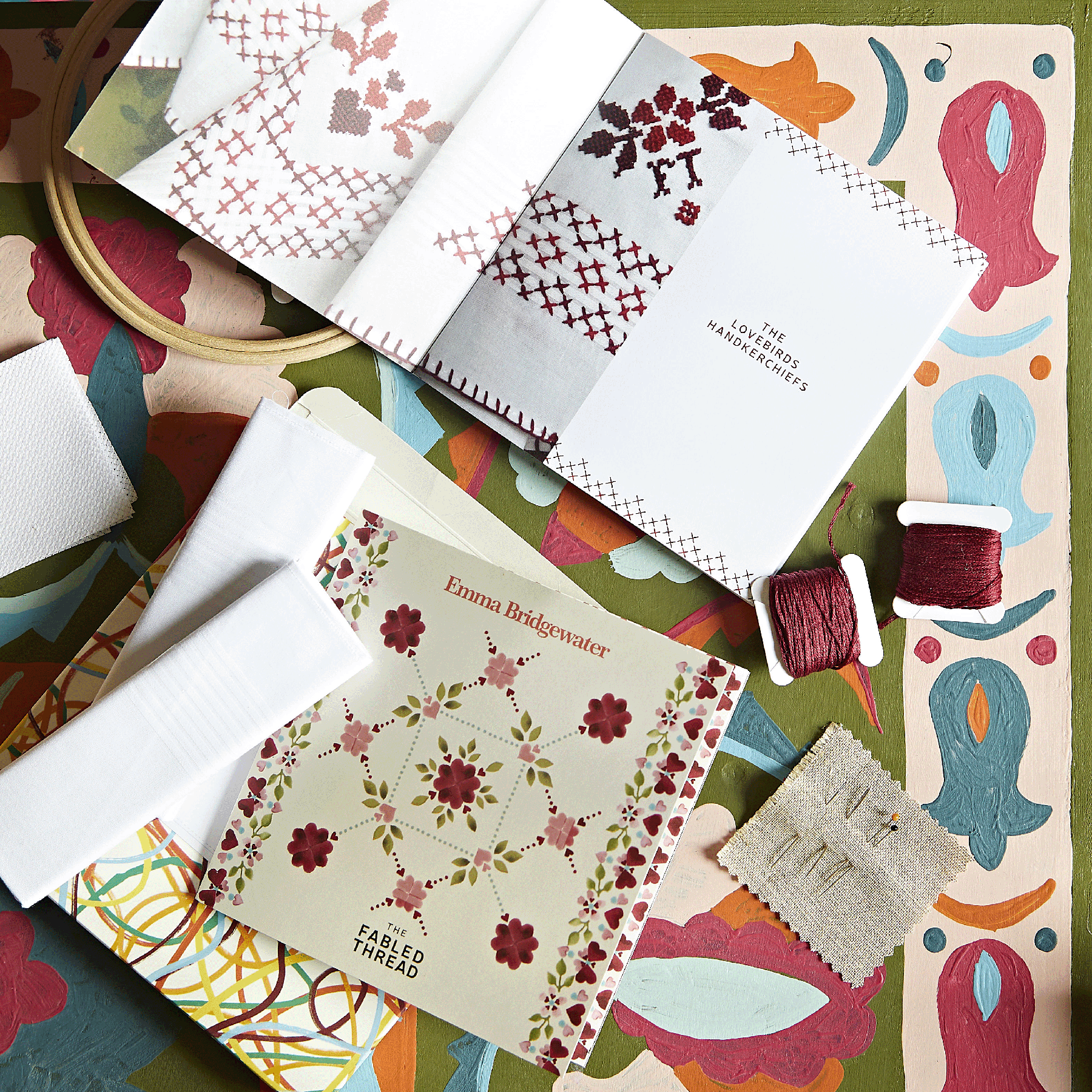
One of the most important things we have done is focus not just on acquiring new customers, but on serving our existing customers as well as possible. That runs through everything we do, from how we respond to emails to how we share information and support people through the process of using our products.
When someone emails us, we try to respond quickly and thoughtfully. If someone asks a question, we answer it properly, even if it means sharing information that could be seen as commercially sensitive, because we trust that being open and helpful builds a stronger relationship. We want people to feel that they can come to us for support, that we are invested in them finishing what they start, and that we are not just interested in making a sale.
We also try to respect the time people give to us. If someone comments on a post, we respond. If someone sends a message, we reply. If someone engages with what we are doing, we try to acknowledge that. Alongside that, we have created opportunities for people to engage more deeply, whether that is through inviting people into the studio, sharing knowledge through videos, or being generous with what we put out into the world.
The aim is to build a relationship that goes beyond a single transaction, and over time, that leads to loyalty. People come back, sometimes not immediately, but they do return, and they stay connected to what you are doing. That creates a much stronger foundation for growth than constantly having to find new customers to replace the ones you have lost.
This is perhaps the least satisfying point, but also one of the most important. Time has played a significant role in the growth of the business. In the first year, we grew quickly, largely because of the circumstances at the time (lockdown, covid etc!), but the years that followed were slower and in many ways more challenging. During that period, we focused on building a strong foundation, expanding the product range, improving the website, understanding our audience, and building credibility.
That work does not always feel particularly visible at the time, but it is what allows growth to happen later. Over the past couple of years, we have seen much stronger growth, but that is a direct result of what was put in place during those earlier years. We would not have been able to sustain that growth at the beginning because we did not yet have the range, the understanding, or the infrastructure to support it.
There is a reason people say that there is no such thing as an overnight success, because what often looks like something that has suddenly taken off is usually the result of years of work that have gone unseen. And whilst it is not the most exciting answer, time is one of the most important factors in getting to a point where we can now grow faster. Now, this might be different if you weren’t bootstrapping – and there are a lot of successful businesses that grow really quickly – but I think that it would be misleading to say we could have the credibility we have now after one year.