Honest Answers
How I Learnt to Ask for Help
If you follow me on my personal account, it probably hasn’t escaped your notice that I’m currently working from the rather beautiful alps. I work remotely for a few months of the year, I only work in the studio three days a week, and I take a one or two week holiday a couple of times a year where I barely check in. For a small business owner, I know that’s probably quite unusual. It certainly wasn’t always possible for me.
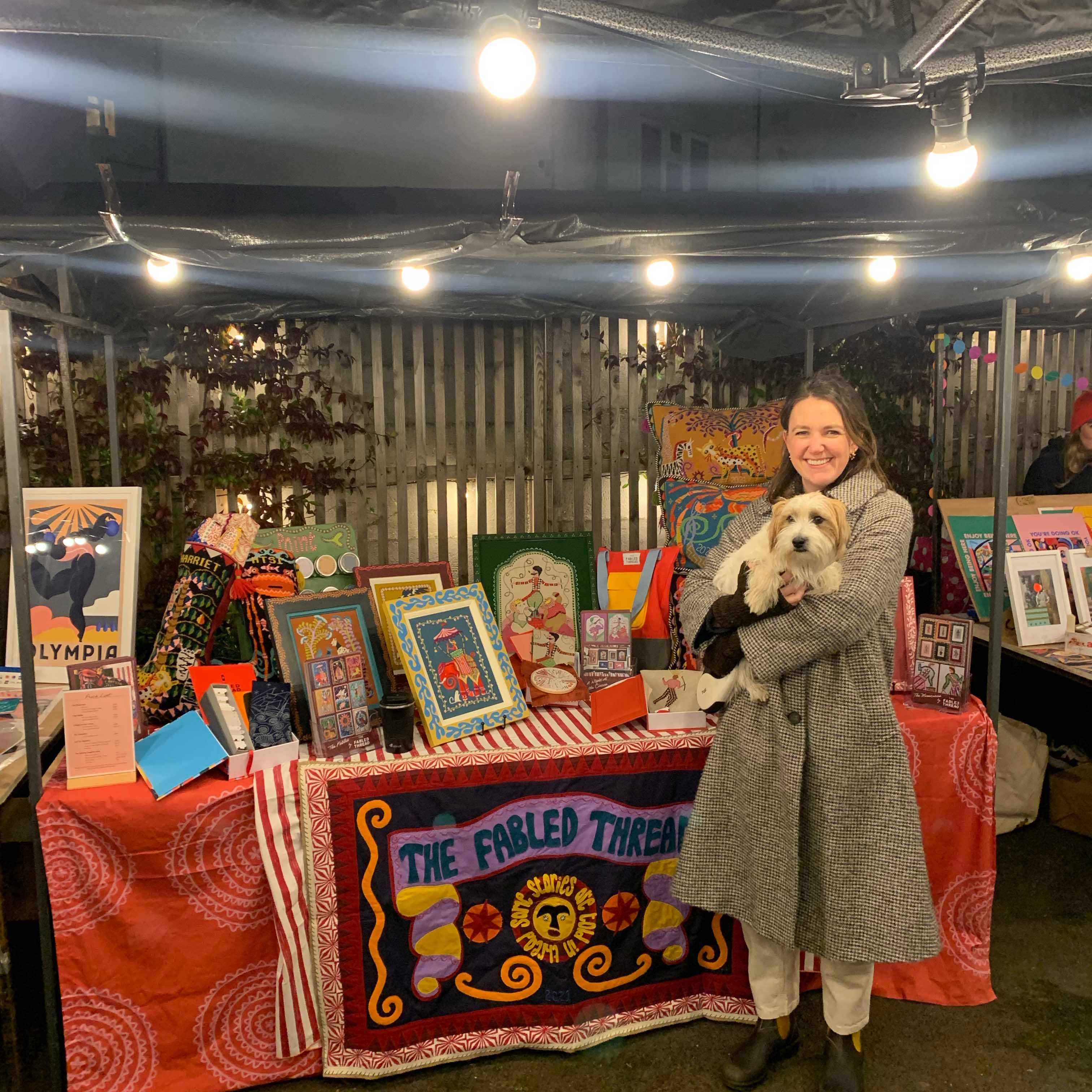
I am not The Fabled Thread. I am Eppie Thompson, and The Fabled Thread is something I have built.
It isn’t because I don’t have very much to do
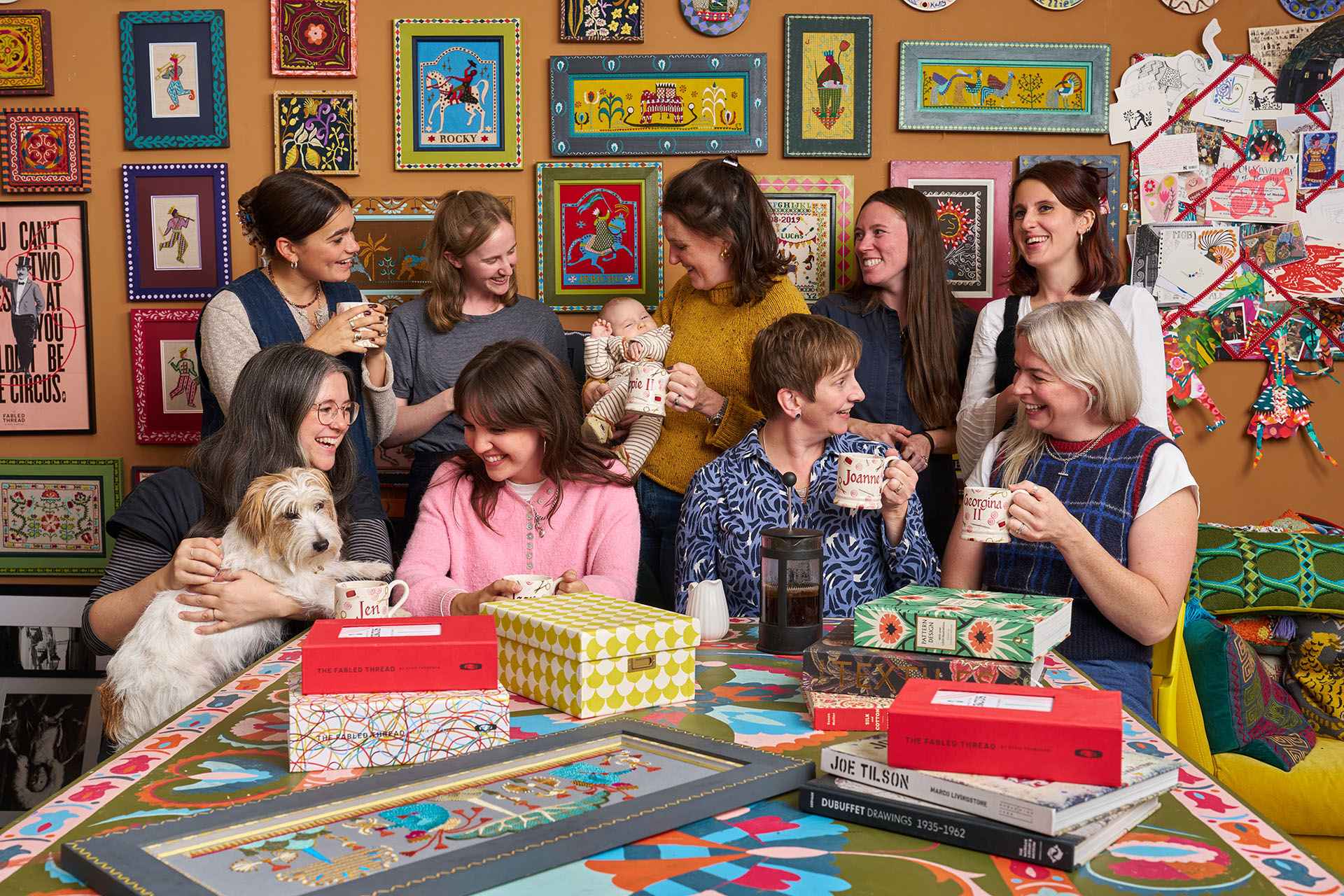
The Fabled Thread is a busy little business. We have ten people in the team, thousands of customers, products to develop, orders to send, content to make, finances to manage and an endless list of ideas we want to pursue. The difference is that very little of it depends entirely on me anymore. And that has taken me years to learn.
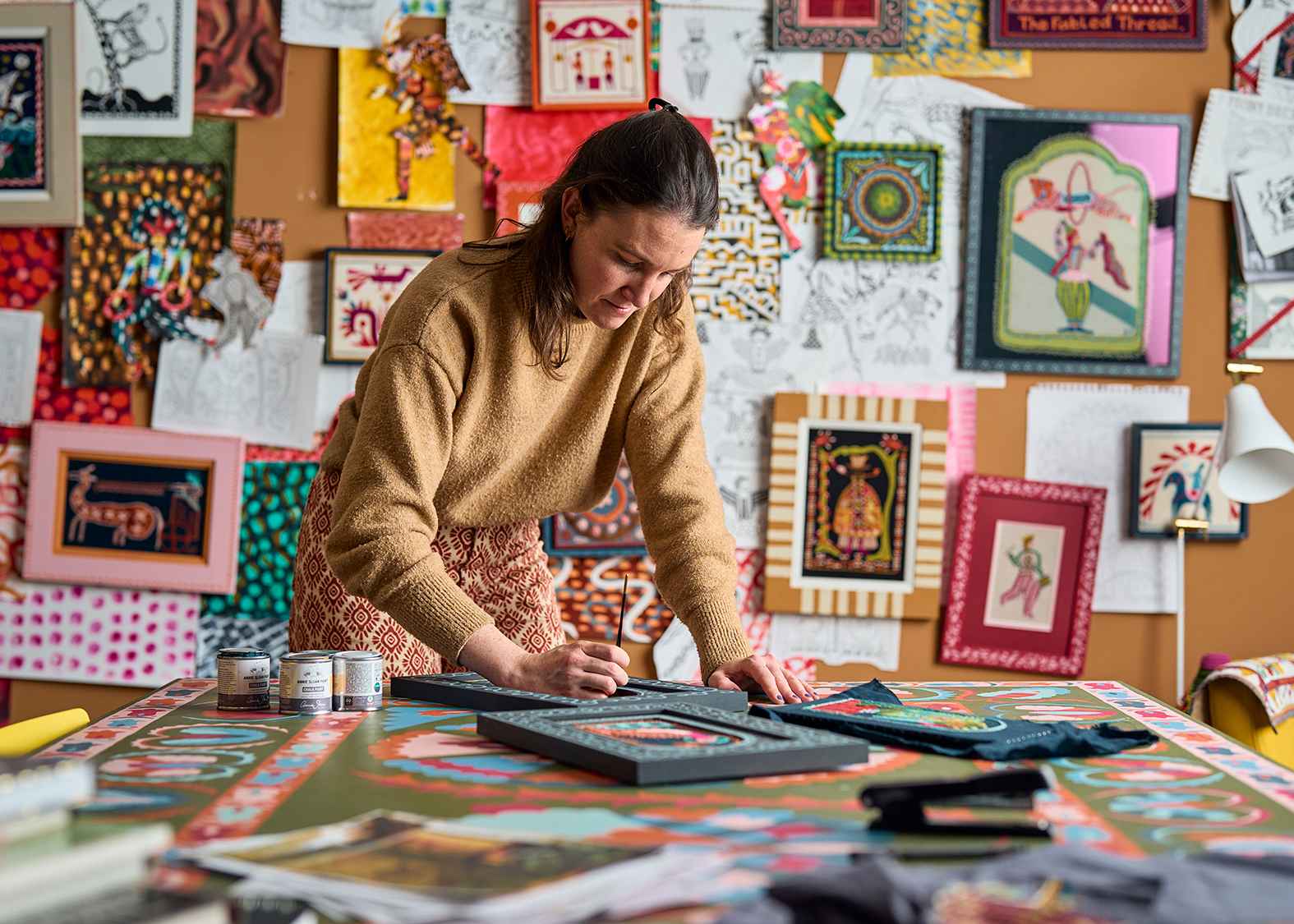
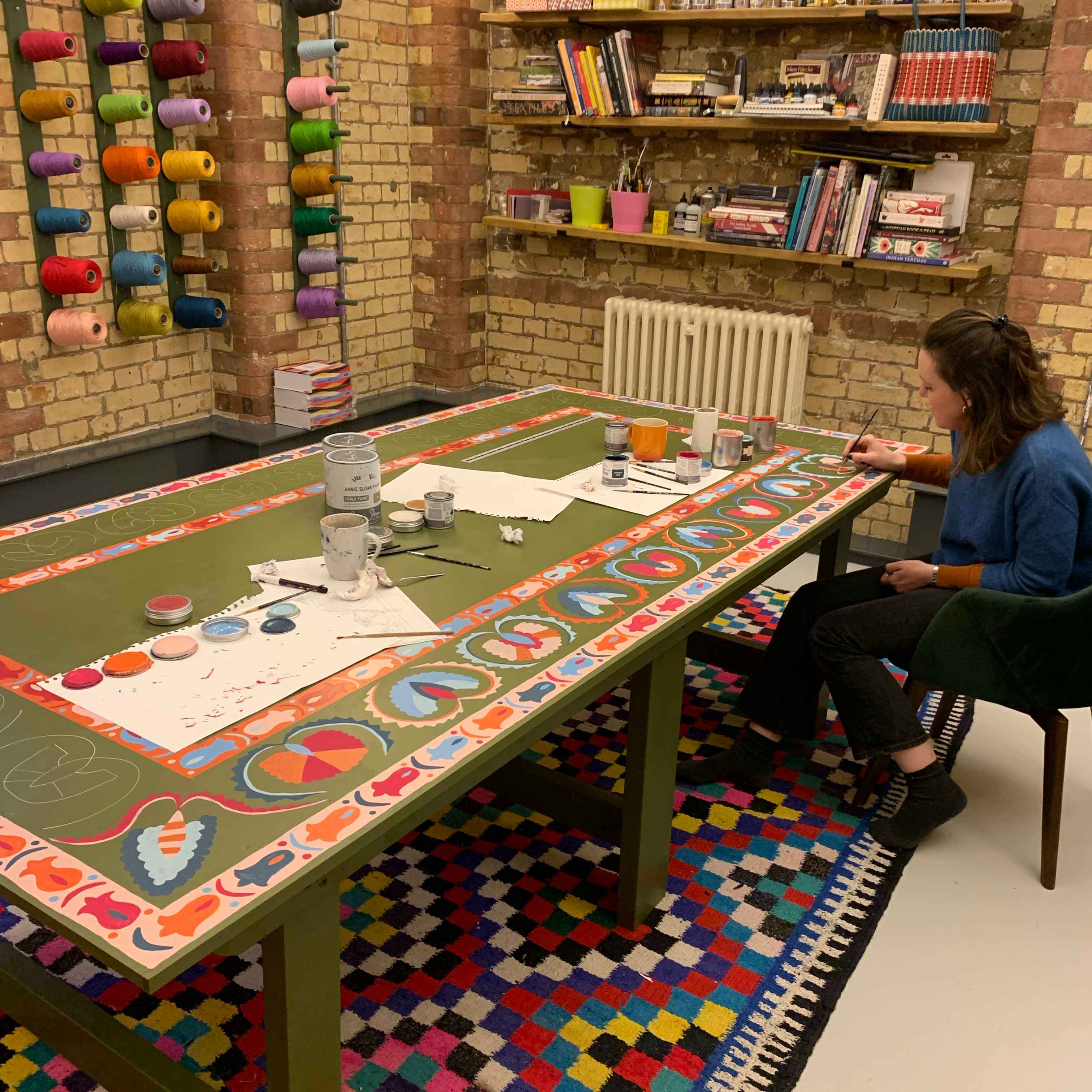
For the first four years, I did everything
I worked tirelessly. Happily so – this wasn’t like my banking days when working all hours could be fairly miserable. I loved it. But I held onto absolutely everything. Every product, email, Instagram post, supplier problem, customer question, stock order and website change either came from me or came through me.
Which meant everything felt incredibly personal
If an Instagram post did badly, I felt bad. If an email didn’t get opened, I felt bad. If I ordered too much stock or a product didn’t launch as I’d hoped, I felt as though Ihad failed. I didn’t really distinguish between myself and the business because, in my head, the business was me.
Eventually, that became quite exhausting
I found it very difficult to switch off. If I had nothing planned at the weekend, I felt guilty sitting down because there was always something I could be doing for work. We had a difficult period with social media, a horrible falling out with a web development company and a product launch that didn’t go to plan. Normal business problems started feeling like rather enormous personal ones.
Then my husband said something rather obvious
I am not The Fabled Thread. I am Eppie Thompson, and The Fabled Thread is something I have built.
It sounds like a fairly minor distinction, but it completely changed the way I thought about the business and, importantly, my role within it. It may be my business, but it is still a job.
So I stopped asking “what do I need help with?”
Instead I started asking: what does the business actually need me for?
Those are quite different questions. The first assumes everything is fundamentally your job and other people are there to help. The second forces you to work out which things genuinely need to be yours and which could belong entirely to somebody else.
There are still plenty of things I keep for myself
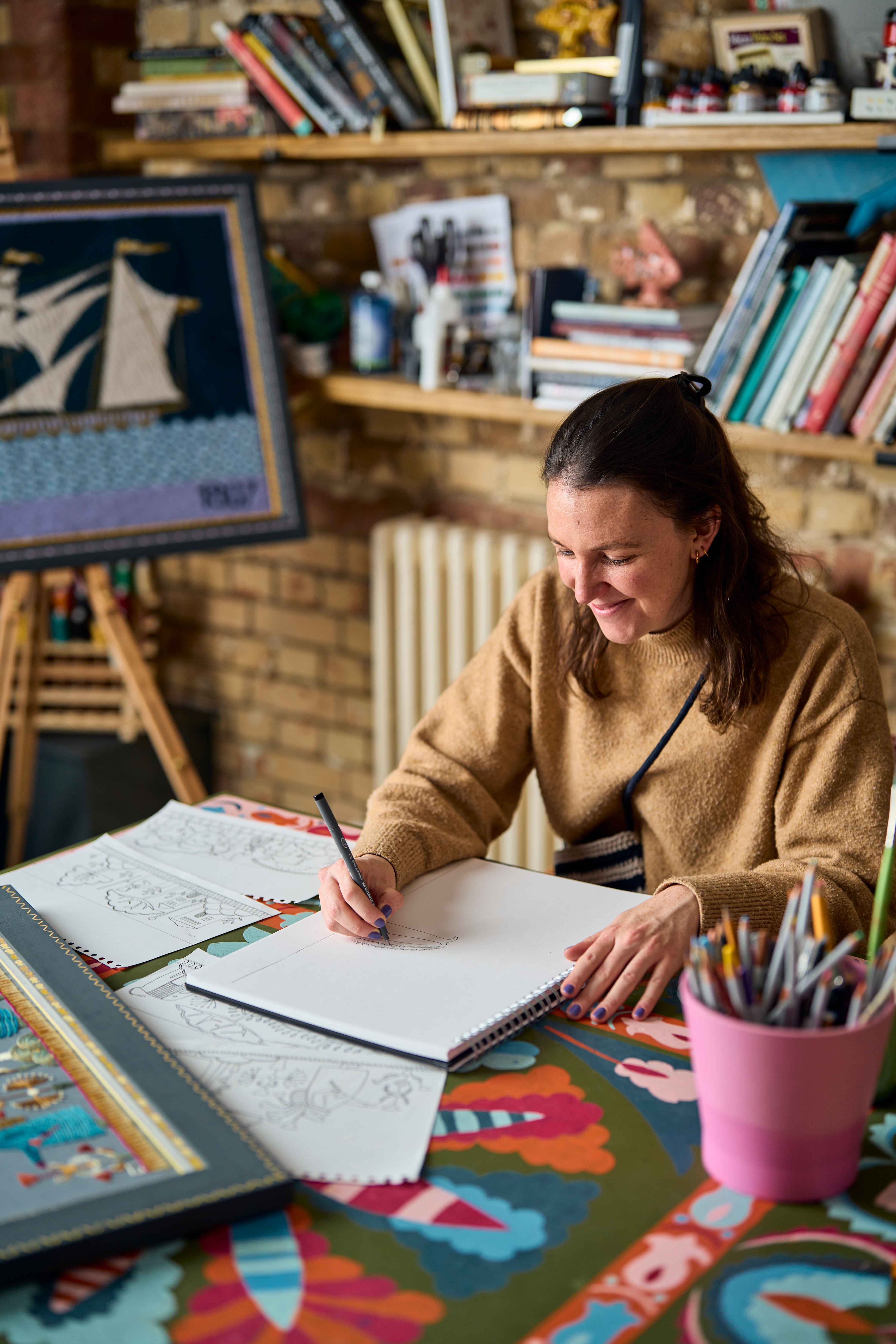
I set the overall strategy and direction of the business. I decide where we’re going creatively, what makes a good design and how those designs become products. I also manage our financials, set our budgets and forecasts and make the bigger financial decisions. I still write lots of content, work on our marketing strategy, lead all our membership days and calls, the list goes on. But these are the things where I think I add the most value.
Everything else, I’m getting better at letting go of
This doesn’t mean I woke up one morning and handed over half my job. It has happened gradually, over years. But whenever I’m doing something now, I try to ask whether it really needs to be me doing it. There is still plenty I haven’t successfully handed over that probably doesn’t need to be me, but the list gets shorter every year.
Delegating isn’t giving someone a list of jobs
This, I think, is the bit I got wrong for a long time. Asking someone to do something for you isn’t really delegating. If everyone is waiting for you to decide what needs doing, tell them how to do it and then check they’ve done it, everything still depends on you. You’ve just acquired more people to manage.
The real difference is ownership
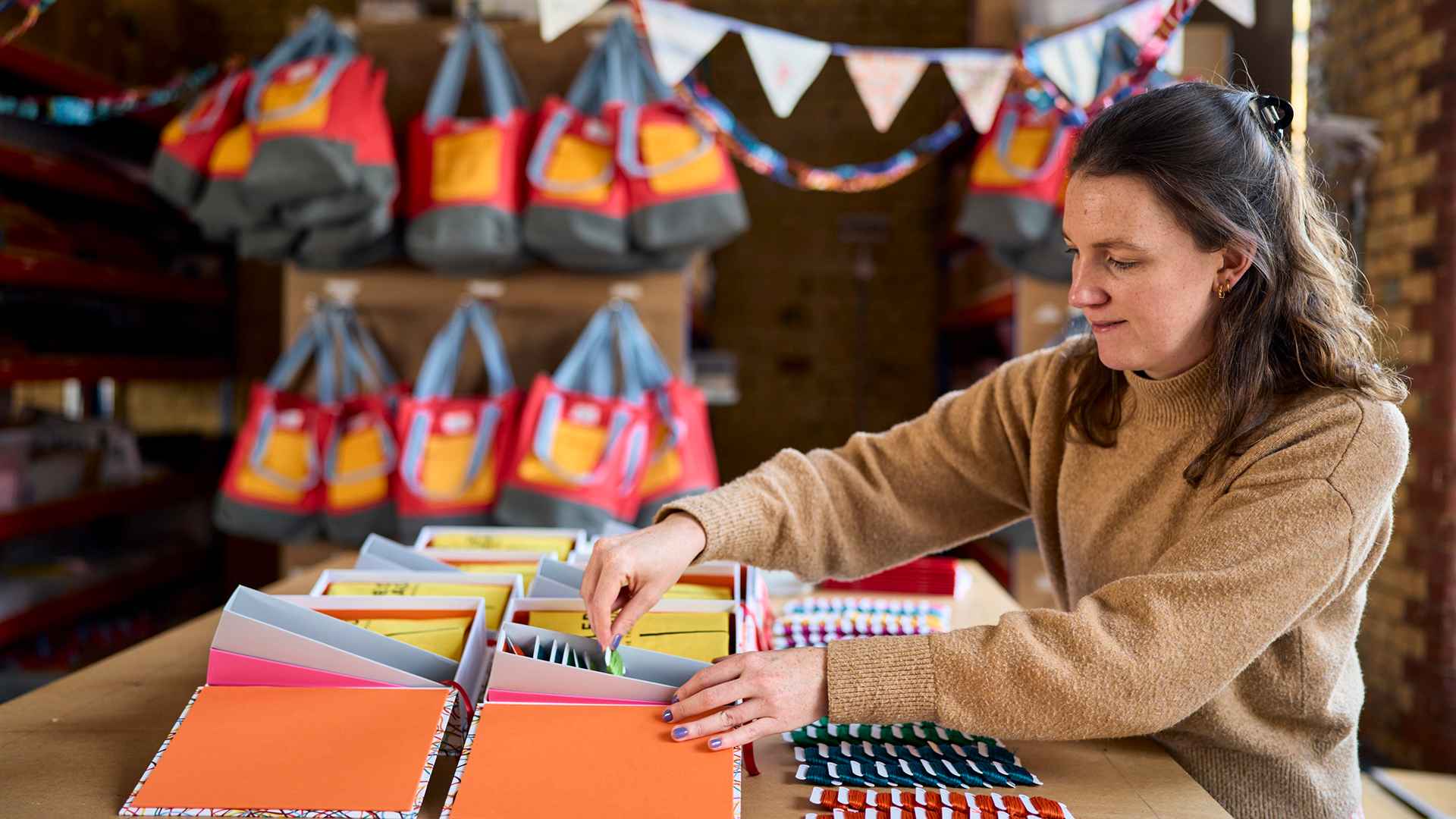
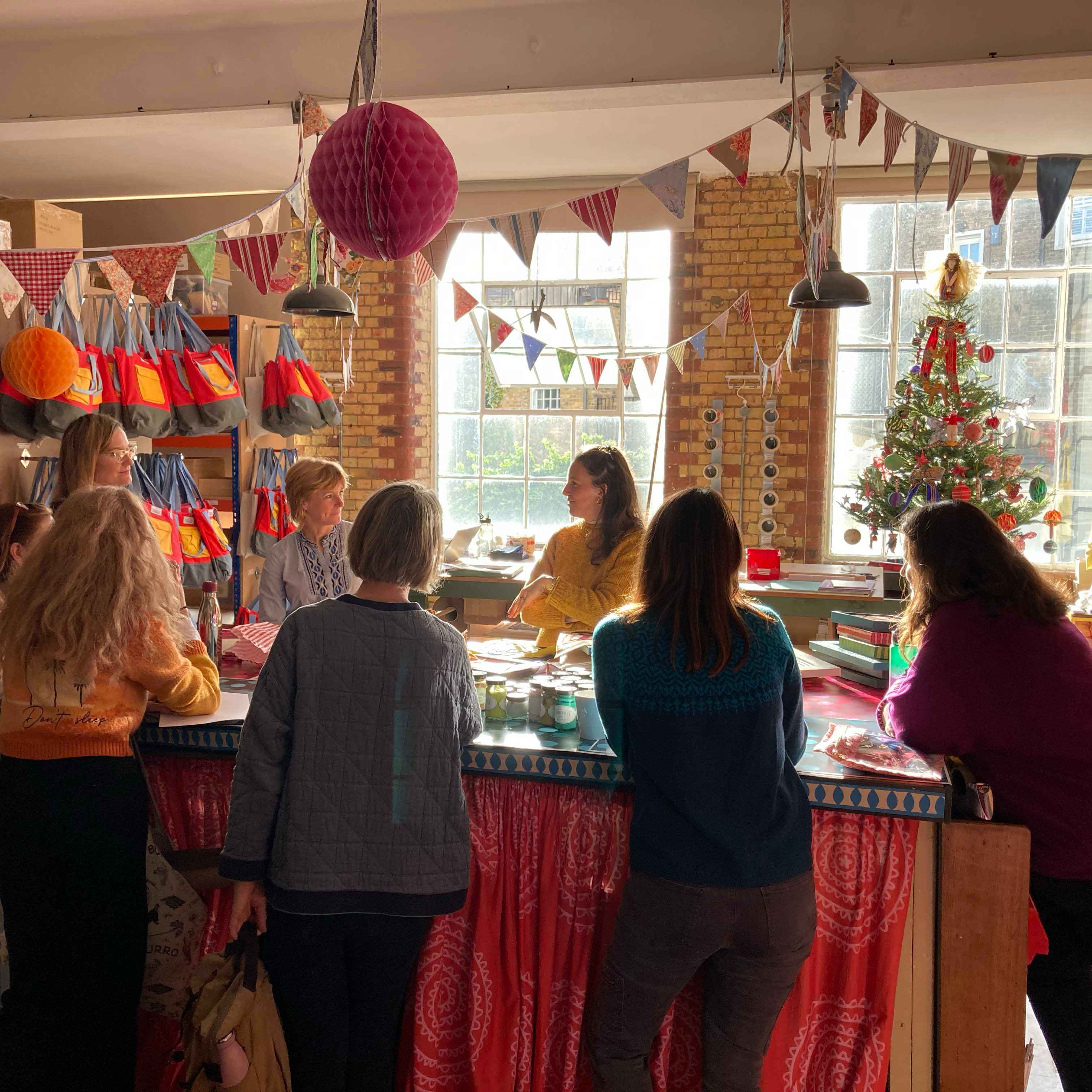
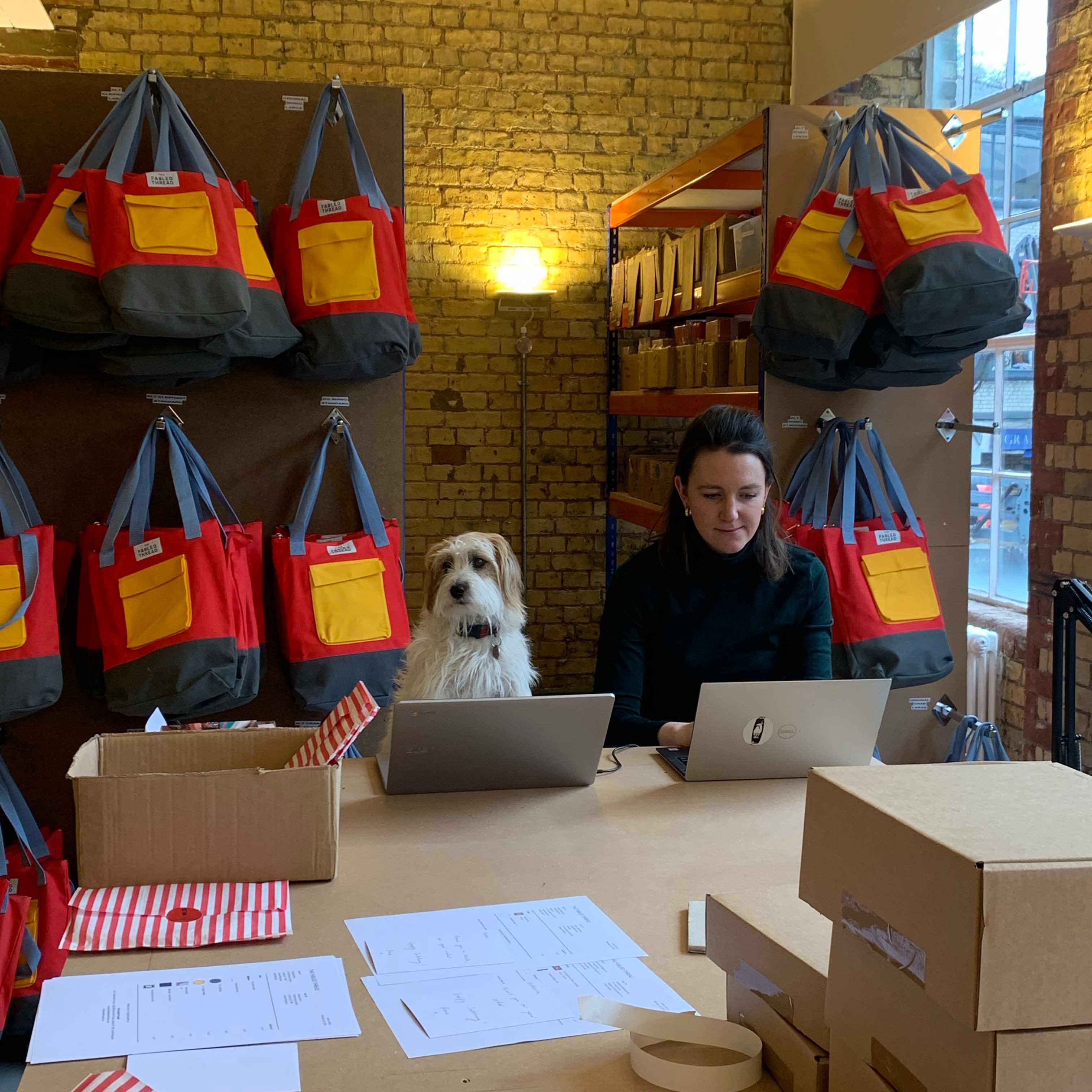
Georgina has been with me since nearly the beginning and now completely owns our operations. She manages the studio team and the day-to-day running of the business. I don’t give her a list of what I need her to do. It generally works the other way around: she runs her part of the business and tells mewhen she needs something from me.
Within that Leggy, Esme, Michelle, Joanne and Natalie all have the parts they are in charge of, from inventory, to customer service, to dispatch, to stock, to customer finishing. Everyone controls their workload.
The same is true across other parts of the business
Jen owns our marketing and content. Meg runs our Studio Membership community. Izzy works alongside me across design and production. They aren’t waiting around for instructions from me. They know their areas of the business, they manage their time, they ask me when they need me but outside of that I trust them to make decisions.
Even this article isn’t really made by me
Jen suggested this topic, gave me some ideas I could mention and asked me to record my thoughts. I spent about ten minutes rambling into my phone. From that I could pull together the text for an article. She then edits it, adds it to the website, makes an Instagram carousel, chooses images, schedules it and posts it. A few years ago I would have done every stage myself. I’m not sure why I ever thought that was a good use of my time.
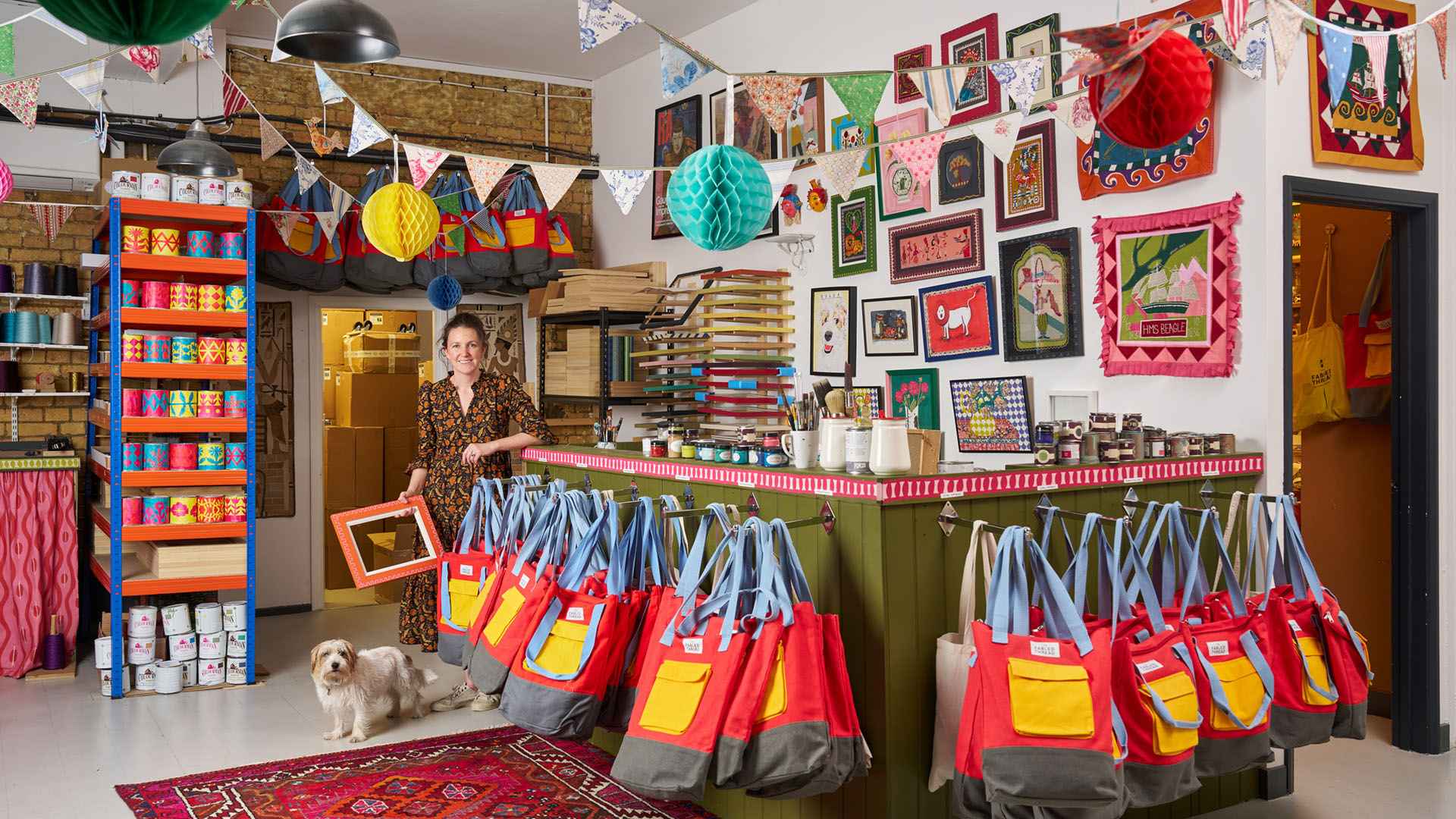
Letting go of creative work was probably the hardest
Izzy is increasingly able to take my designs and develop them through prototypes, instructions, range extensions and production. Before moving into design she spent two years elsewhere in the business, so she has packed every kit, spoken to customers and painted countless frames. She knows our products inside out, she knows what I like, which means I fundamentally trust her judgement.
And your team is much bigger than your employees
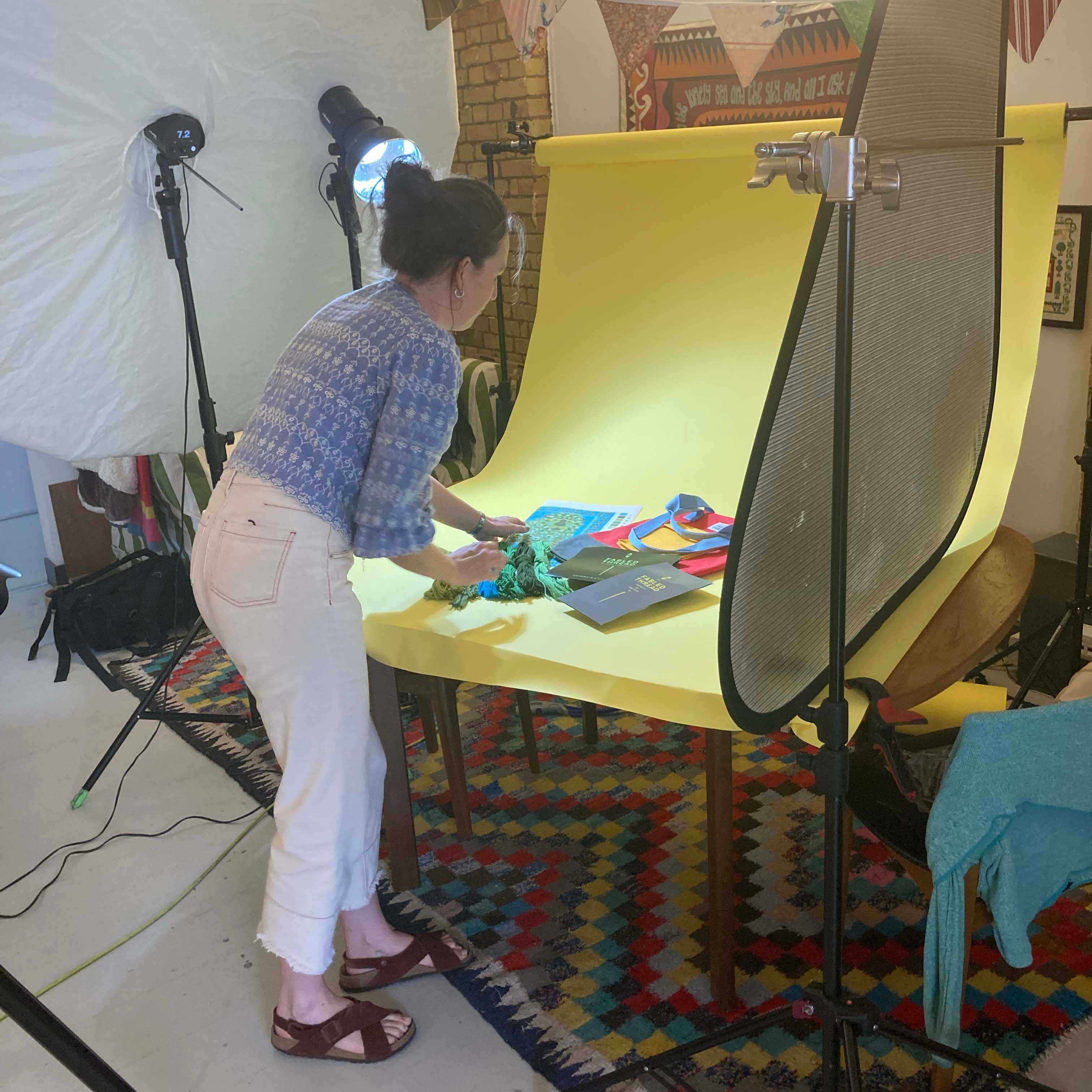
We have a brilliant web developer, branding team, accountants, photographer and videographer who we work with again and again. We don’t shop around - when we find people we trust, we stick with them. Over years of working together they learn how we think, what we like and what matters to us. That is incredibly valuable.
Delegating hasn’t actually given me loads of spare time
Sadly, I haven’t handed over half my job and started spending my afternoons drinking wine in the Alps. I have, predictably, filled the space. But the important difference is that I now have far more choice over what I fill it with.
Some of that time has gone back into my life
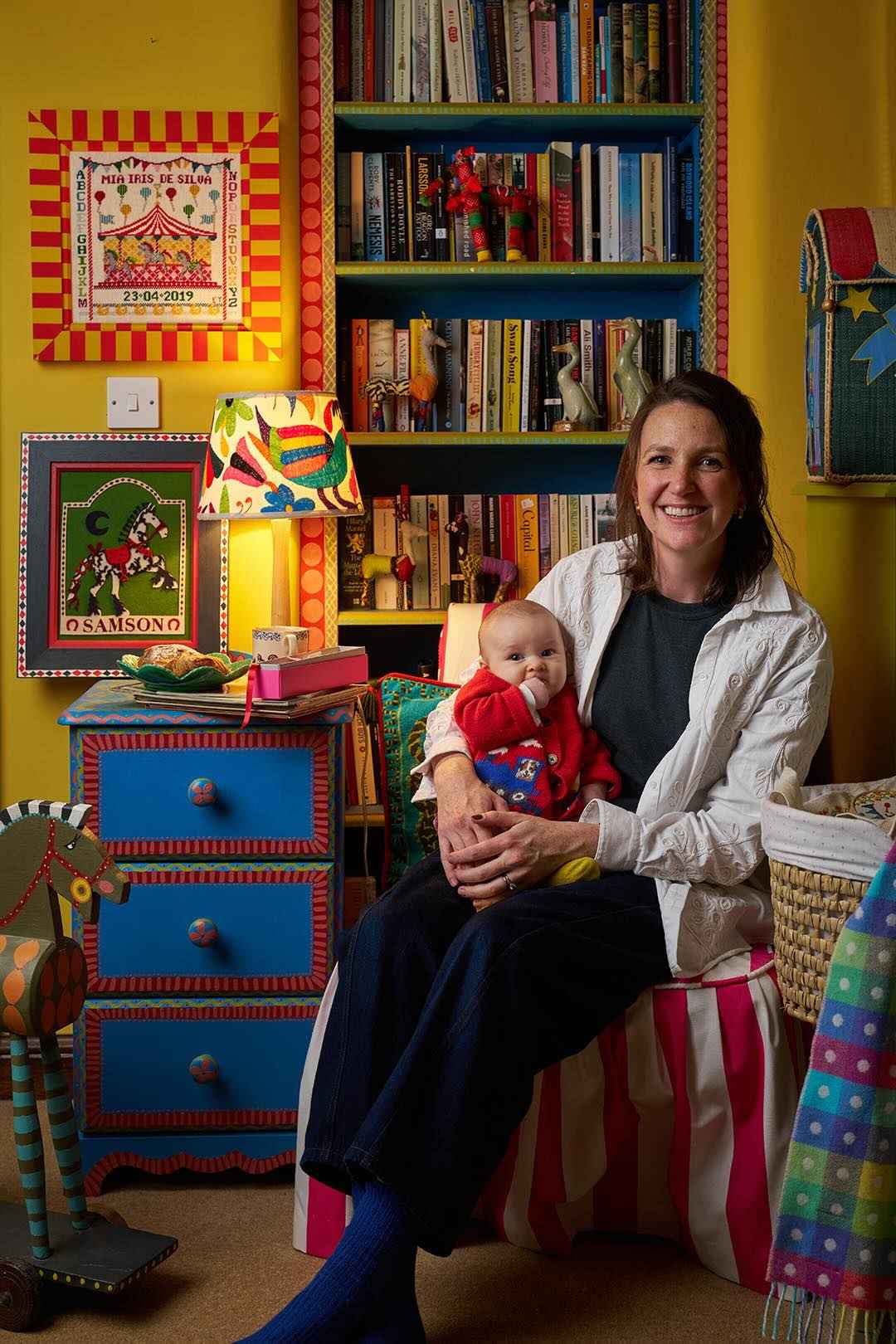
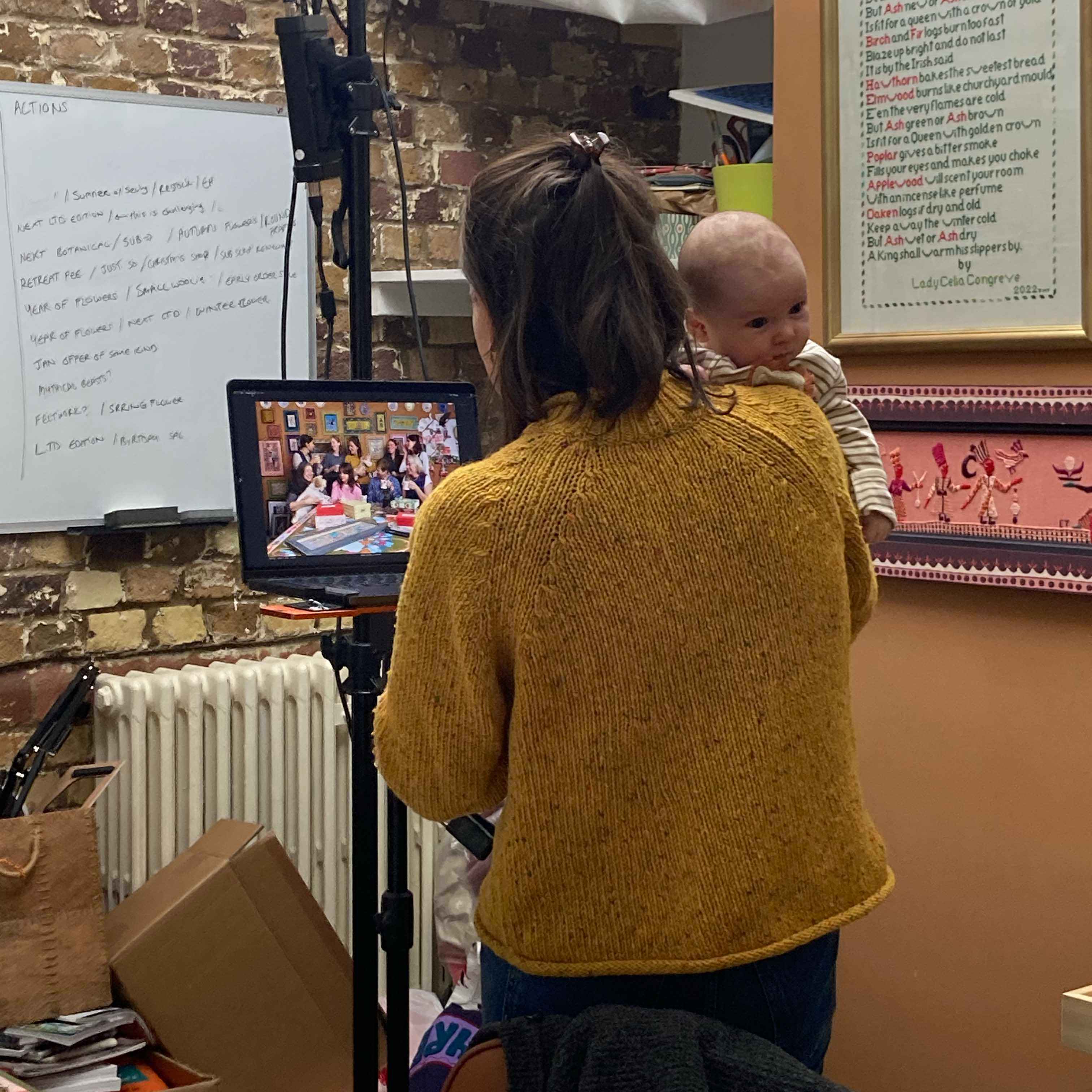
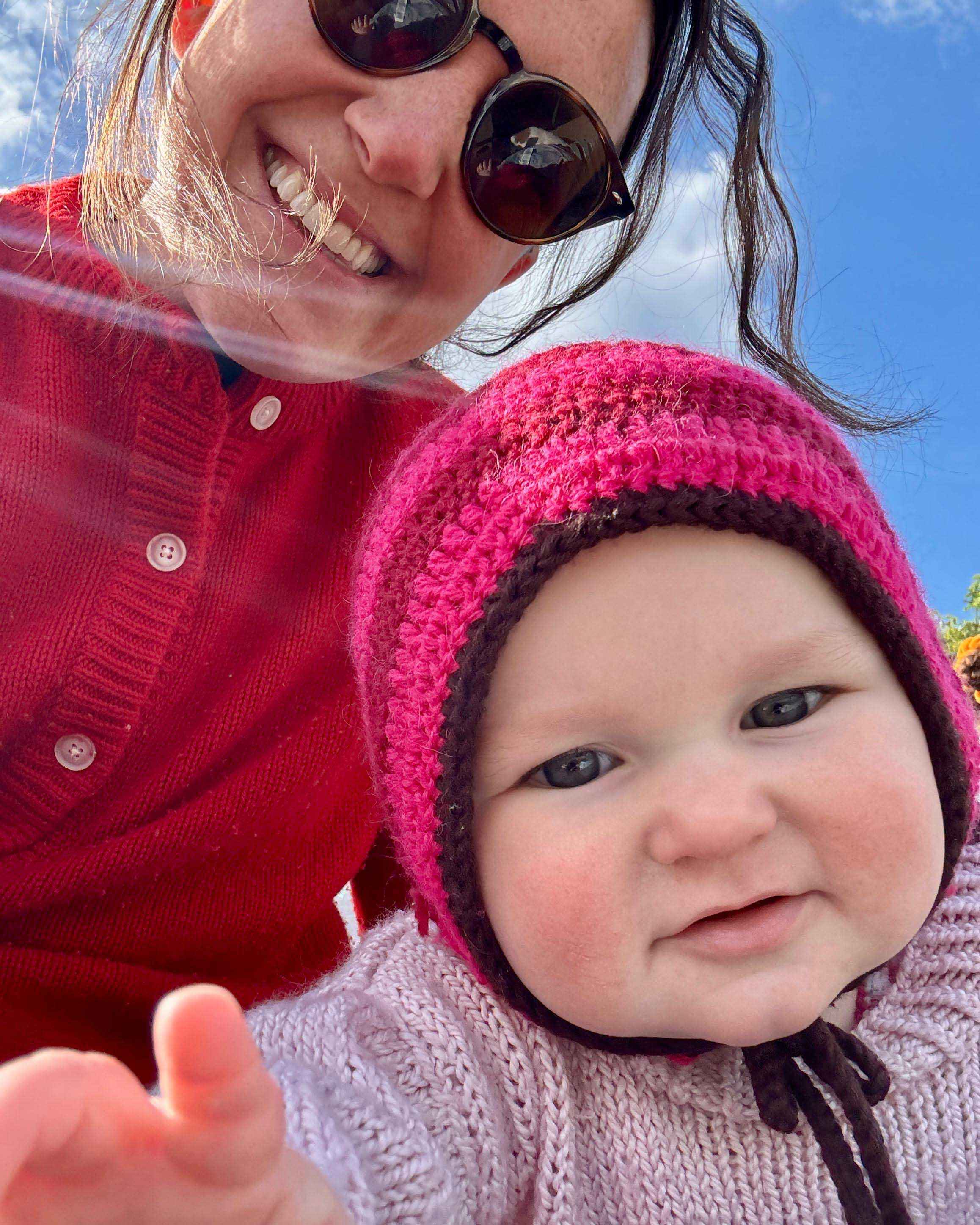
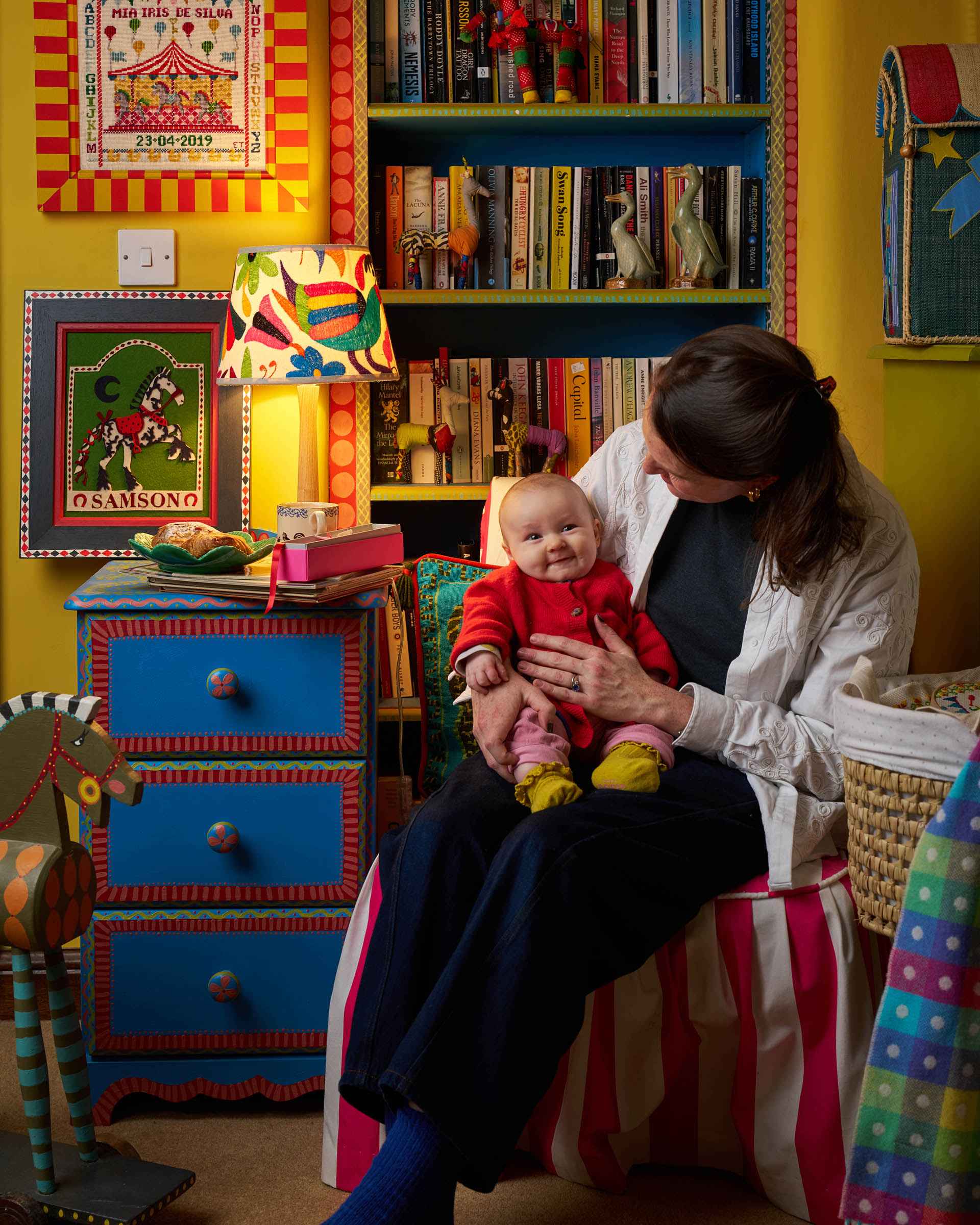
I now work three days a week and spend the other two working a little but mainly looking after Sasha. I can work remotely for a couple of months while spending time with my parents. And when I take a proper holiday, I can disappear for two weeks without secretly running the business from my phone. On weekends, I very rarely need to check-in on anything. Those things matter enormously to me.
And some of it has gone straight back into the business
We also simply do far more than we used to. We launch more products, produce more content, run more events, make videos, write articles and pursue ideas and marketing initiatives we previously wouldn’t have had capacity for. Delegating hasn’t made us less ambitious. It has allowed the whole business to become more ambitious without everything having to pass through me.
So when is the right time to delegate?
Earlier than I did. Particularly when money is tight, it’s very easy to think: why would I pay somebody to do this when I can do it myself? But from my experience, that’s the wrong question. I did it for far too long and life and the infinitely better since I let go of that idea.
The question I try to ask now is: does this still need to be done by me? Every time the answer is no, there is an opportunity to give somebody else real ownership and free yourself to do something more valuable to the whole team.
I’m not trying to build the biggest business in the world
I want to build a really good business that gives my team and me a really bloody brilliant life. I want us to grow, be profitable, do interesting work and make beautiful things. But I also want us all to have lives outside it.
There is still plenty I need to get better at handing over. But when I see The Fabled Thread working brilliantly without me sitting in the middle of every decision, I don’t feel redundant. I feel incredibly proud. Surely that’s the point of building a business rather than simply creating a job for yourself.